
Editorial Board
Editor-in-Chief
Prof. Vojo Deretic
AIM Center Director, Department Chair and Distinguished Professor, Department of Molecular Genetics and Microbiology, University of New Mexico School of Medicine, Albuquerque, NM, USA.
Research Interests:membrane atg8ylation; autophagy; immunology; cell biology.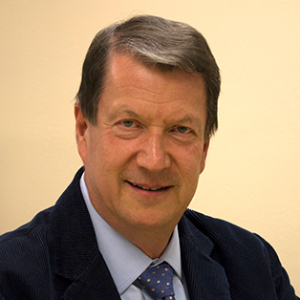
Editorial Board Members
Prof. Robin Ketteler
Head of Department Human Medicine, MSB Medical School Berlin, Rüdesheimer Str 50, 14197 Berlin, Germany.
Research Interests:autophagy; Autophagy-Targeting Chimera (AUTAC); ATG4; deubiquitinases; drug discovery.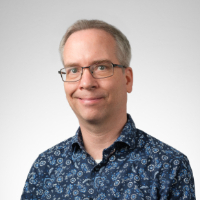
Prof. Jayanta Debnath
Distinguished Professor and Chair, Department of Pathology, University of California, San Francisco, CA, USA.
Research Interests:autophagy; extracellular vesicles; membrane AT8ylation; secretory autophagy; cancer; metastasis.
Prof. Wanjin Hong
- 1. Research Director at Institute of Molecular and Cell Biology (IMCB), A*STAR.
- 2. Department of Biochemistry, Yong Loo Lin School of Medicine, National University of Singapore, Singapore.
Research Interests:cancer signalling pathways.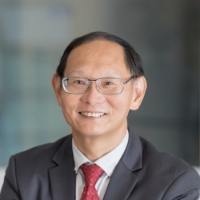
Prof. Sharad Kumar
Bradley Distinguished Professor, Centre for Cancer Biology, Adelaide University, Australia.
Research Interests:cell death; ubiquitination; ubiquitin ligases; extracellular vesicles.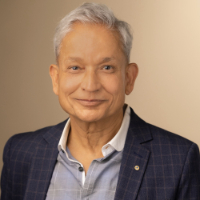
Prof. Fulvio Reggiori
Department of Biomedicine, Aarhus University, Denmark.
Research Interests:mechanism of autophagy; aggrephagy; autophagy-infection interaction; unconventional functions iof the ATG proteins.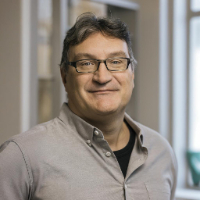
Dr. Alf Håkon Lystad
- 1. Centre for Cancer Cell Reprogramming, Faculty of Medicine, University of Oslo, Oslo, Norway.
- 2. Department of Molecular Cell Biology, Institute for Cancer Research, Oslo University Hospital, Oslo, Norway.
Research Interests:My group studies the molecular mechanisms of autophagy and CASM, with a particular focus on how ATG8-specific E3-like complexes are targeted to damaged or remodeling intracellular membrane compartments. A second major theme is defining the downstream consequences of CASM and how these outputs influence endolysosomal homeostasis. To address these questions, we develop complementary in cellulo and in vitro approaches to dissect these pathways at molecular resolution.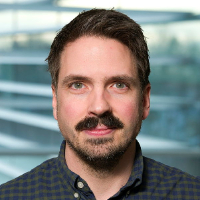
Dr. Grégory Vert
Plant Science Research Laboratory - National Center for Scientific Research, Toulouse, France.
Research Interests:deconstructing K63 polyubiquitination in plants; plasma membrane protein degradation; endocytosis; targeted protein degradation.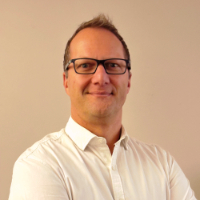
Prof. Margrét Helga Ögmundsdóttir
School of Health Sciences, Faculty of Medicine, University of Iceland, Iceland.
Research Interests:membrane Atg8ylation; autophagy; lipid metabolism; cancer cell biology.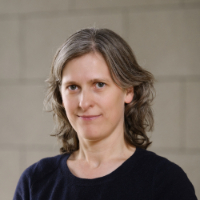
Prof. Michael Overholtzer
Member and Dean, Cell Biology Program, Gerstner Sloan Kettering Graduate School of Biomedical Sciences, Memorial Sloan Kettering Cancer Center, New York, NY, USA .
Research Interests:cell death; autophagy; lysosomes; Atg8ylation; CASM.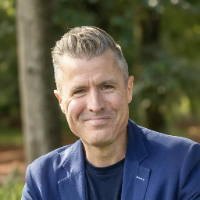
Prof. Kate Schroder
Centre for Cell Biology and Chronic Disease, Institute for Molecular Bioscience, the University of Queensland, St. Lucia, Australia.
Research Interests:biological sciences; genetics; immunology.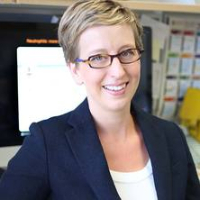
Prof. Eeva-Liisa Eskelinen
Institute of Biomedicine, University of Turku, Finland.
Research Interests:cell biology; autophagy; small GTPases, RAB24.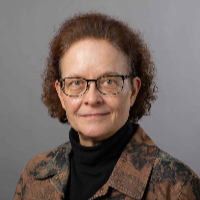
Prof. Maria I. Vaccaro
- 1. Institute of Biochemistry and Molecular Medicine, University of Buenos Aires, Buenos Aires, Argentina.
- 2. Center for Medical Education and Clinical Research, Buenos Aires, Argentina.
Research Interests:autophagy (selective & secretory); pancreatic & digestive diseases.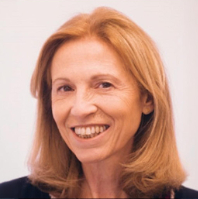
Prof. Mondira Kundu
Department of Cell and Molecular Biology, St. Jude Children's Research Hospital, Memphis, TN, USA.
Research Interests:metabolism; autophagy; intracellular trafficking; neurodegeneration; cancer.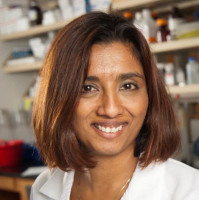
Prof. Tassula Proikas-Cezanne
Department of Biology, Faculty of Science, Eberhard Karls University Tübingen, Germany.
Research Interests:mechanism of autophagy; autophagy signalling pathways; WIPI beta-propeller proteins in health and disease.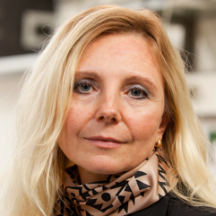
Prof. Thorsten Pfirrmann
Department of Medicine, Health and Medical University, Potsdam, Germany.
Research Interests:ubiquitin proteasome system; primary cilia; proteostasis; ageing; GID/CTLH complex.
Prof. Vladimir Rogov
Department of Biomedicine, Aarhus University, Denmark.
Research Interests:My research focuses on understanding the role of human autophagy modifiers (ATG8 family proteins) and other proteins in regulating selective autophagy at the molecular level. Specifically, I am interested in studying the interactions of ATG8s with proteins, their fragments, and chemical compounds. I have strong expertise in protein:protein and protein:ligand interactions, which I assess using biophysical, biochemical and structural methods. I am investigating the basic principles of how autophagic cargo can be selectively sequestered for degradation by autophagy. I am constantly searching for and studying novel protein motifs that could interact with ATG8s via LDS or UDS sites. My research aims to develop small molecules for autophagy-related targeted protein degradation, which could be used to effectively treat human diseases.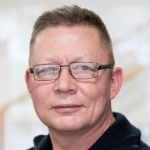
Prof. Hong Zhang
Institute of Biophysics, Chinese Academy of Sciences, Beijing, China.
Research Interests:mechanism and regulation of autophagy in multicellular organisms.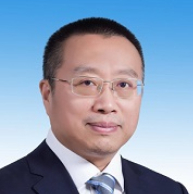

 Suite 4002 Level 4, 447 Collins Street, Melbourne, Victoria 3000, Australia
 General Inquiries: info@sciltp.com