Journals
More

Recommendations
More- All
- Biology & Life Sciences
- Chemistry & Materials Sciences
- Computer Science & Artificial Intelligence
- Engineering Technology
- Environmental & Earth Sciences
- Humanities & Social Sciences
- Mathematics & Physics
- Medicine & Health
A Computational and Statistical Investigation of the Distribution of Twin Primes and Generalized Mersenne Numbers
Ramon Carbó-Dorca, Krishnan Balasubramaniandoi: 10.53941/ams.2026.100020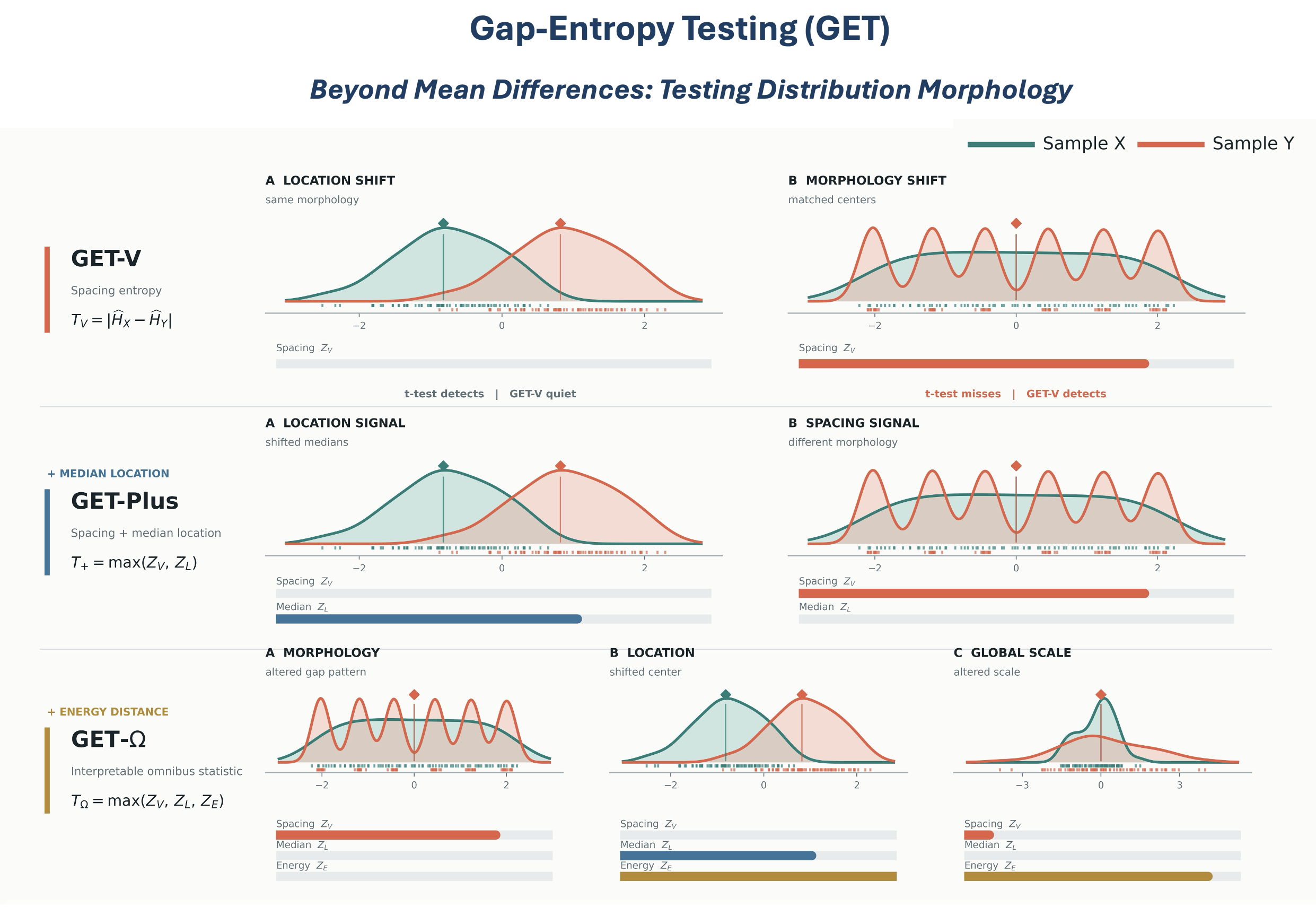
Gap-Entropy Testing (GET): A Framework for Structural and Distributional Differences
Vangelis D. Karalisdoi: 10.53941/ams.2026.100019Golgi-Associated ATG8ylation: Mechanisms and Biological Implications
Jiahui Long, Ziyu Xiao, Min Lidoi: 10.53941/ua.2026.100008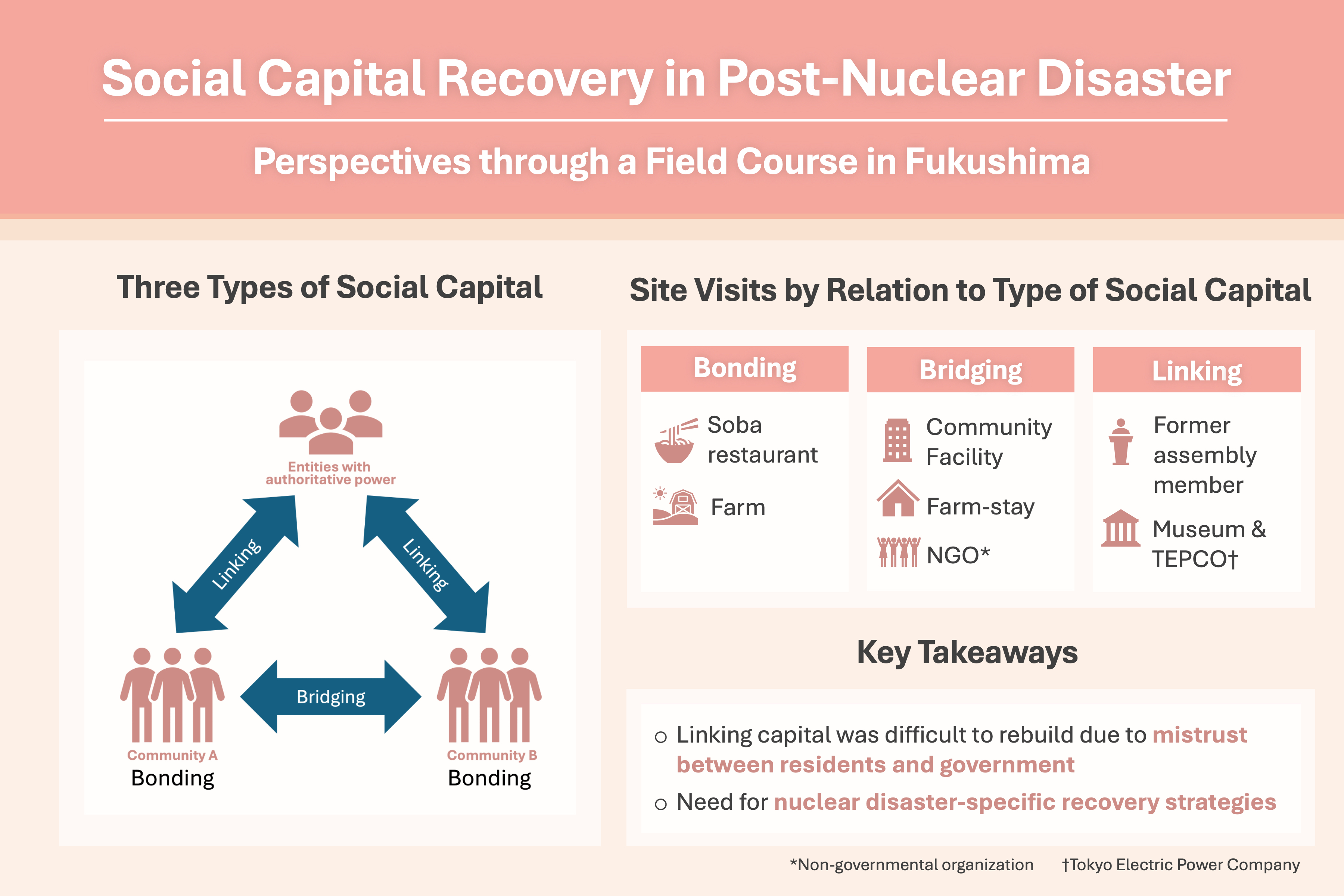
Social Capital Recovery in Post-Nuclear Disaster: Perspectives through a Field Course in Fukushima
Cassidy Sun, Eihi Yoshinaga, Nihaal Rahman, Isamu Amir, Aya Gotodoi: 10.53941/jhrr.2026.100023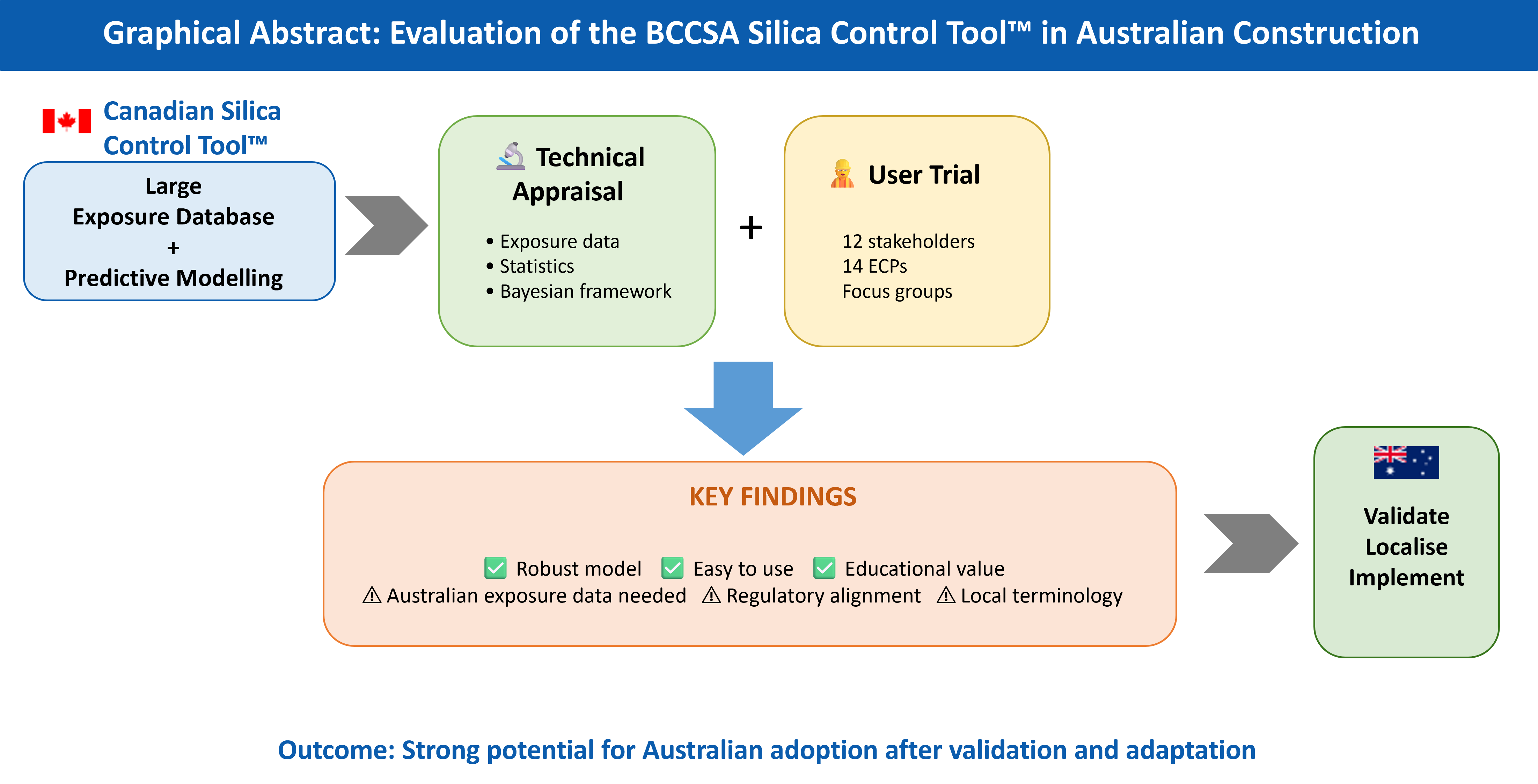
Evaluation of a Web-Based Silica Exposure Risk Assessment Tool in Construction: Data Appraisal and User Trial
Sharyn Gaskin, Leonid Turczynowicz, Sarina Subedi, Chandnee Ramkissoon, Yonatal Tefera, Halil Ahmetdoi: 10.53941/wah.2026.100021
Delay-Induced Passenger Electricity Use in Public Transport: A Critical Review and Analytical Framework
Ali Safaeianpourdoi: 10.53941/ubs.2026.100026In Vivo CAR-T Cell Engineering: Translating Vector Pharmacology into Therapeutic Performance
Jiaqiang Ren, David Stroncek, Anh Dinhdoi: 10.53941/ti.2026.100019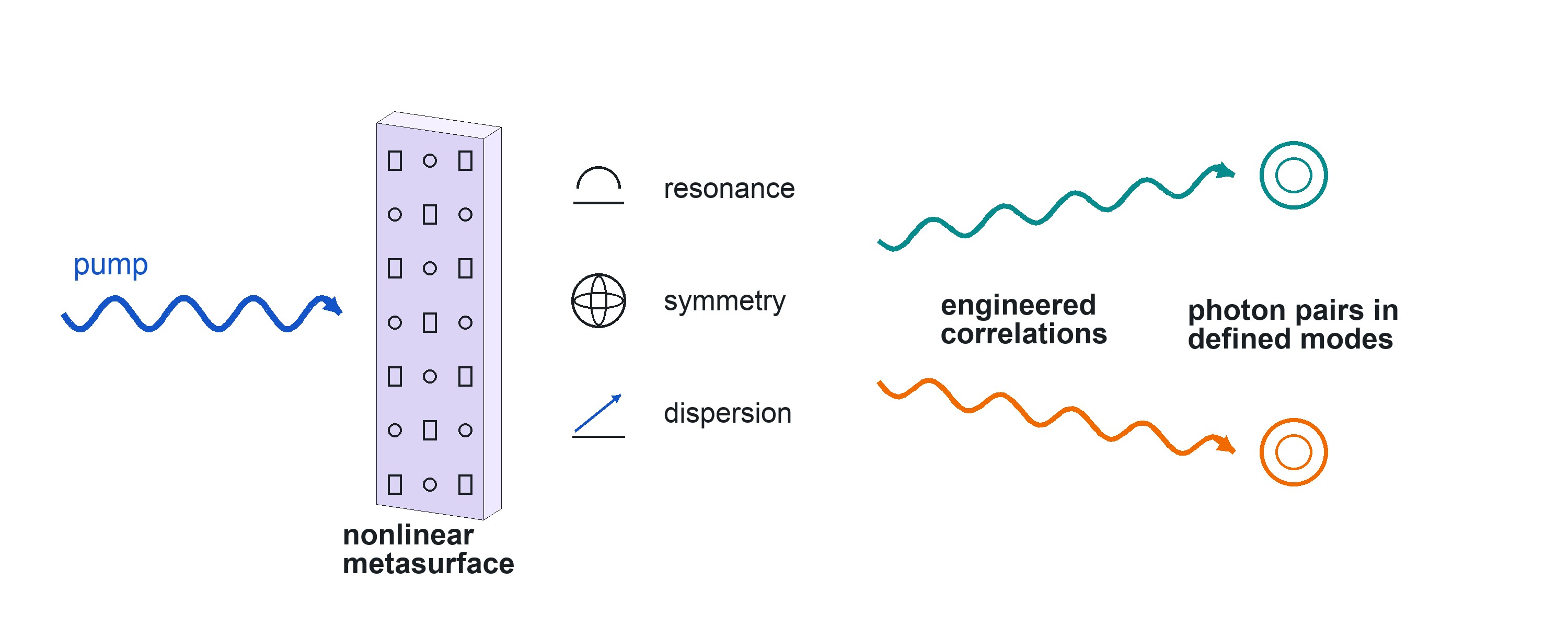
Beyond Brightness: Biphoton-State Engineering with Nonlinear Metasurfaces
Alexander S. Solntsevdoi: 10.53941/pqw.2026.100006Exposure to Traffic-Related Particulate Matter and Prevalence of Respiratory Symptoms among Commercial Drivers in Abuja, Nigeria
Abimbola Thomas, Clement Awe, Samuel Bankole, Adetoun Olaitandoi: 10.53941/wah.2026.100019Clove Leaf Essential Oil in Vapor Phase as a Natural Alternative for Mold Control in Semi-Wholemeal Bread
Ricardo H. Hernández-Figueroa, Paula Y. Santiago-Bueno, Aurelio López-Malo, Emma Mani-Lópezdoi: 10.53941/fsp.2026.100012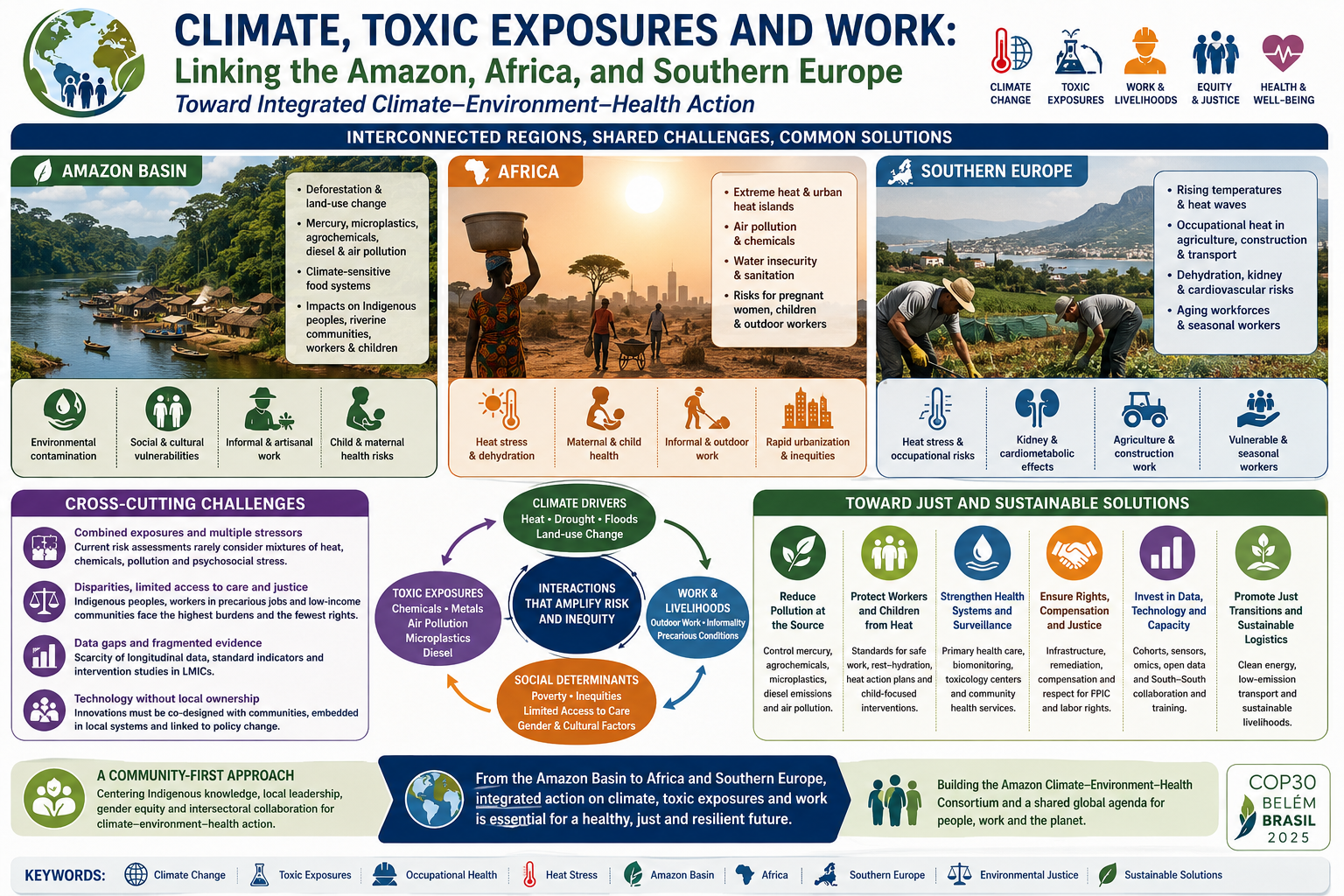
Climate, Toxic Exposures and Work: Linking the Amazon, Africa, and Southern Europe through a COP30 Dialogue
Roberto G. Lucchini, Sila Apurina, Alexandra Almeida, Silvana Andreescu, Paulo Cesar Basta, Maria Elena Crespo Lopez, Gabriela de Paula Fonseca Arrifano, Alok Deoraj, Enatfenta Sewmehone Endalew, Carlos Espinal, Quentin Felty, Luis Fernandez, Maria Del Carmen Gastañaga, Luca Lombroso, Stefanny Magaly Moncada Barbosa, Ebba Malqvist, Desalew Meseret Moges, Cristina O’Callaghan-Gordo, Jesús Olivero-Verbel, Luciana Pitta, Claudia Vega, Kunihiko Yoshida, Luiz Augusto Galvão, Kurt Straifdoi: 10.53941/wah.2026.100017From Conjugates to Aglycones: How Food Processing Technologies Reshape Soy Isoflavone Profiles
Marcela Fernanda Geton Guelfi, Fernando Sanches de Lima, Cíntia Ladeira Handa, Tahis Regina Baú, Heloísa Gabriel Falcão, Claudimara da Silva Portela, Tatiana Colombo Pimenteldoi: 10.53941/fsp.2026.100011








Call For Papers
MoreUrban Environmental Pollution and Climate Resilience: Emerging Contaminants in the Built Environment
Introduction Rapid urbanization, climate change, and industrial development have intensified environmental pollution within urban and built environments, posing significant challenges to human health, ecosystem integrity, and sustainable city development. While conventional pollutants such as particulate matter, nitrogen oxides, and heavy metals remain important concerns, increasing attention is being directed toward emerging contaminants, including microplastics, per- and polyfluoroalkyl substances (PFAS), pharmaceuticals, flame retardants, rare earth elements, and other technology-critical chemicals that are increasingly detected in air, water, soil, indoor environments, and urban infrastructure. Their complex environmental behaviour, persistence, and potential health impacts require innovative monitoring approaches, interdisciplinary assessment, and effective mitigation strategies. This Research Topic, “ Urban Environmental Pollution and Climate Resilience: Emerging Contaminants in the Built Environment ”, aims to provide a multidisciplinary platform for advancing knowledge on the occurrence, transport, exposure pathways, environmental fate, and health implications of emerging contaminants within urban systems. It also seeks to highlight climate-resilient solutions, sustainable urban planning, nature-based interventions, smart sensing technologies, predictive modelling, and evidence-based policy frameworks that enhance the resilience of cities against evolving environmental risks. This topic welcomes original research articles, comprehensive reviews, short communications, and perspectives addressing topics related to environmental monitoring, indoor and outdoor air quality, urban water systems, waste management, circular economy, contaminant remediation, building science, climate adaptation, environmental epidemiology, exposure assessment, risk analysis, and digital technologies for environmental management. Interdisciplinary studies integrating engineering, environmental science, public health, urban planning, architecture, and data science are particularly encouraged. By bringing together cutting-edge research and practical applications, this Research Topic seeks to foster scientific collaboration, support informed decision-making, and contribute to the development of healthier, safer, and more climate-resilient urban environments in line with global sustainability and resilience goals. Topics of Interest This Research Topic aims to cover topics that include, but are not limited to, the following themes: Emerging contaminants in urban environments Indoor and outdoor environmental quality Climate change and urban resilience Human exposure and health risk assessment Smart monitoring and digital technologies Sustainable building and green infrastructure Urban water, waste, and circular economy Environmental remediation and pollution control Policy, governance, and sustainable urban development Interdisciplinary approaches to healthy and resilient cities Academic Editors Dr. Nur Azalina Suzianti Feisal (nur_azalina@msu.edu.my) Affiliation: MSU Centre of Climate Resilience and Strategy (M-CREST), Management and Science University, Shah Alam, Selangor, Malaysia Dr. Nur Azalina Suzianti Feisal is Head of Centre at the MSU Centre for Climate Resilience and Strategy (M-CREST). She holds a PhD in Public Health, a Master’s degree in Community Health, and a Bachelor’s degree in Biomedical Science. Her research focuses on environmental and public health, with particular expertise in air quality and air pollution, climate change and health, environmental exposure and health risk assessment, microplastics and microfibres, water quality, occupational and environmental health, and emerging environmental contaminants. Her research also incorporates data analytics and interdisciplinary approaches to better understand the relationships between environmental exposures, climate-related factors, and human health. Dr. Nur Azalina is actively engaged in national and international research collaborations involving partners across Southeast Asia and Japan. Her current research interests include airborne microbiome monitoring, climate-driven health risk assessment, air pollution exposure, microplastic contamination, heavy metals and technology-critical elements, and environmental health risk assessment. She has also participated in research grants, community-based environmental initiatives, and international collaborative projects addressing climate resilience and sustainable environmental health. In addition to research and teaching, she contributes to scientific publications, peer review, academic collaborations, and capacity-building activities. Her work supports interdisciplinary approaches that bridge environmental science, public health, climate resilience, and sustainable development, with particular emphasis on translating scientific evidence into practical strategies for protecting human and environmental health. Ts. Dr. Nurzawani Md Sofwan (nurzawani@uitm.edu.my) Affiliation: Faculty of Health Sciences, Universiti Teknologi MARA, Sarawak, Malaysi Ts. Dr. Nurzawani Md Sofwan is an academic and professional technologist at Universiti Teknologi MARA (UiTM), Malaysia, with expertise in environmental engineering, sustainable urban development, environmental monitoring, and climate resilience. Her research focuses on advancing sustainable solutions for environmental pollution control, resource management, and resilient built environments through interdisciplinary approaches that integrate engineering, environmental science, and emerging technologies. Her research interests encompass environmental pollution assessment, water and wastewater management, solid waste and resource recovery, environmental risk assessment, green infrastructure, and sustainable urban systems. She has been actively involved in multidisciplinary research projects and collaborations addressing environmental quality, climate adaptation, and sustainable development. Her work combines field investigations, laboratory analyses, modelling, and data-driven approaches to support evidence-based environmental management and policy development. As a registered Professional Technologist (Ts.), Dr. Nurzawani is committed to translating research into practical applications that benefit industry, government, and local communities. She has contributed to scientific publications, research grants, and academic collaborations while actively supervising undergraduate and postgraduate students. Her dedication to research excellence, innovation, and capacity building has strengthened partnerships across academia and industry, particularly in areas related to sustainable infrastructure, environmental resilience, and smart urban development. Through her research and professional engagement, she continues to promote environmentally responsible practices that contribute to healthier, more resilient, and sustainable cities. Dr. Cheah Wai Yan (cheahwaiyan@ukm.edu.my) Affiliation: Environmental Management Programme, Faculty of Social Sciences and Humanities, Universiti Kebangsaan Malaysia, UKM Bangi, Selangor Darul Ehsan, Malaysia Dr. Cheah Wai Yan is an academic and researcher at Universiti Kebangsaan Malaysia (UKM), Malaysia, whose research focuses on environmental health, exposure science, environmental toxicology, and public health. Her work explores the impact of environmental pollutants on human health, with particular emphasis on exposure assessment, environmental risk evaluation, and the development of evidence-based strategies to support healthier and more sustainable communities. Her research encompasses environmental monitoring, air and water quality, emerging contaminants, occupational and community health, biomonitoring, and quantitative health risk assessment. Dr. Cheah has been actively involved in multidisciplinary research collaborations addressing contemporary environmental challenges, including pollution exposure, climate-related health risks, and sustainable urban development. She integrates laboratory investigations, field-based environmental assessments, epidemiological approaches, and advanced statistical analyses to better understand the relationships between environmental exposures and health outcomes. In addition to her research activities, Dr. Cheah is dedicated to teaching, student supervision, and academic service. She has contributed to scientific publications, collaborative research projects, and professional networks that promote interdisciplinary solutions to environmental and public health issues. Her commitment to research excellence and knowledge translation supports the development of effective environmental management practices and policies aimed at improving population health and strengthening climate-resilient urban environments. Dr. Noor Haziqah Kamaludin (noorhaziqah@uitm.edu.my) Affiliation: Occupational Health and Safety Risk Management (OHSeRM) Research Initiative Group and Centre for Environmental Health and Safety Study, Faculty of Health Sciences, Universiti Teknologi MARA, Puncak Alam, Selangor, Malaysia. Dr. Noor Haziqah Kamaludin is a researcher and academic at Universiti Teknologi MARA (UiTM), Malaysia, with expertise in environmental health, air quality, occupational hygiene, exposure assessment, and public health. Her research focuses on understanding the interactions between environmental pollutants, human exposure, and health outcomes, with particular emphasis on indoor and outdoor air quality, environmental monitoring, and risk assessment in urban and occupational settings. Dr. Noor Haziqah has actively contributed to multidisciplinary research involving environmental pollution, climate resilience, and sustainable urban development through collaborations with national and international institutions. Her work integrates field measurements, environmental monitoring technologies, statistical analysis, and health risk assessment to generate evidence that supports environmental management and public health decision-making. She has published in peer-reviewed journals and has participated in research projects addressing emerging environmental challenges, including air pollution, occupational exposure, and environmental sustainability. Beyond her research, Dr. Noor Haziqah is committed to teaching, student supervision, and community engagement. She has been involved in developing future researchers through academic mentorship while contributing to professional collaborations that bridge environmental science, engineering, and public health. Her research interests include environmental epidemiology, exposure science, climate-resilient urban environments, sustainable environmental management, and the application of innovative approaches to improve environmental quality and human well-being. Important Dates Submission opens: 15 August 2026 Submission deadline: 30 June 2027 Expected publication: before 31 August 2027 All accepted papers will be published in the earliest available issue. Submission Guideline To submit your manuscript, please visit the Urban and Building Science journal website: https://sciflux.org/authors/submissions/add-submissions?journalCode=1909189238240141313 When submitting your manuscript, please ensure that you select the Research Topic: “Urban Environmental Pollution and Climate Resilience” Author submission guidelines can be found at: https://www.sciltp.com/journals/ubs/instructionForAuthors There is No Article Processing Charge (APC) for all submissions and accepted papers. All manuscripts will undergo peer review in accordance with the journal’s established policies and procedures. Final acceptance will be based on the peer-review reports and the evaluation of the Academic Editors and the Editor-in-Chief. Decisions will be made by the Editor-in-Chief or Academic Editors who have no conflicts of interest with any of the authors.
Urban and Building Science
Deadline: 31 December 2027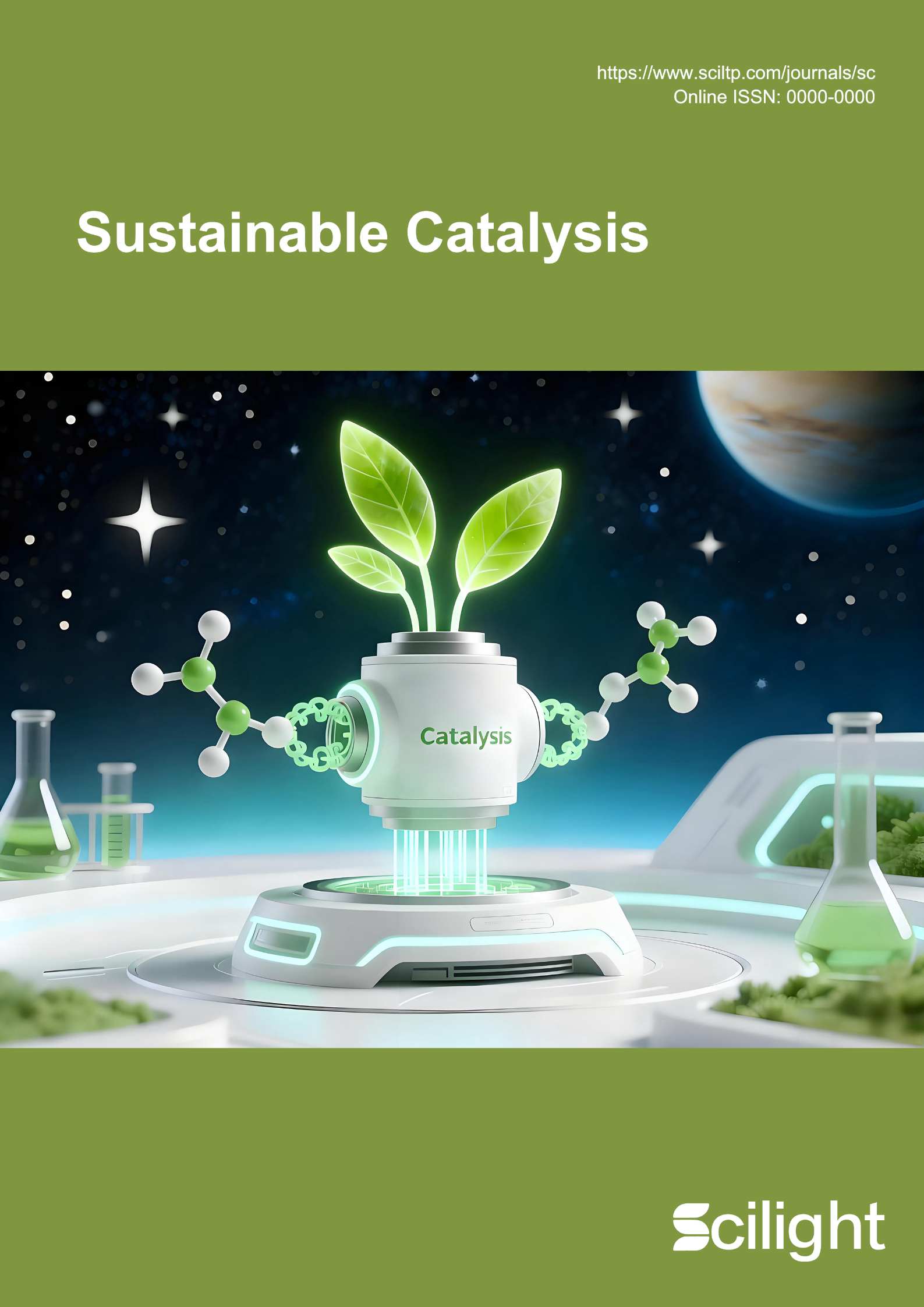
Materials Innovation for Sustainable Energy and Chemical Conversion
Issue Introduction: The transition toward sustainable energy and chemical technologies requires catalytic materials that combine high activity and selectivity with durability, resource efficiency, and scalability. This Call for Papers of Sustainable Catalysis will highlight emerging advances in the design, synthesis, characterization, and mechanistic understanding of functional catalytic materials for sustainable chemical and energy conversion. Particular emphasis will be placed on understanding the relationships between material composition, structure, electronic properties, interfaces, defects, morphology, and catalytic performance across thermocatalytic, electrocatalytic, photocatalytic, photoelectrochemical, and hybrid catalytic systems. Studies providing mechanistic insights under realistic operating conditions, especially through operando and in situ characterization, are strongly encouraged. The collection also aims to bridge fundamental materials chemistry with practical catalytic technologies. Contributions addressing scalable and reproducible synthesis, catalyst and electrode engineering, mass transport, reactor integration, stability under demanding operating conditions, and translation toward industrially relevant systems are particularly welcome. We welcome original research articles, communications, reviews, and perspectives that advance materials-driven approaches to sustainable catalysis. Topics of Interest Include (but are not limited to): Rational Design of Catalytic Materials: Composition–structure–property relationships; nanostructured, porous, hierarchical, single-atom, sub-nanocluster, nanoparticle, and high-entropy catalysts; defect, strain, and electronic-structure engineering; metal, metal oxide, sulfide, nitride, carbide, phosphide, carbon-based, and hybrid materials. Interfaces and Heterostructures: Catalyst–support and catalyst–electrode interactions; heterointerfaces and interfacial charge transfer; core–shell, Janus, heterojunction, and tandem architectures; dynamic interfaces and surface chemistry under catalytic conditions. Thermocatalysis: Catalytic conversion of CO₂, biomass, waste, and renewable feedstocks; hydrogen production and utilization; selective oxidation, reduction, hydrogenation, dehydrogenation, and reforming; catalyst stability, deactivation, and regeneration. Electrocatalytic Materials: CO₂ reduction and carbon utilization; water electrolysis and hydrogen production; fuel-cell catalysis; nitrogen-cycle electrocatalysis; biomass and waste valorization; paired electrolysis; value-added chemical synthesis; electrode and catalyst-layer engineering; high-current-density electrocatalysis. Photocatalysis and Photoelectrochemical Catalysis: Semiconductor and heterojunction photocatalysts; solar-driven chemical transformations; photocatalytic hydrogen and CO₂ conversion; photoelectrochemical water splitting; charge separation and transport; light–matter interactions and photothermal effects. Operando Characterization and Mechanistic Understanding: Operando and in situ X-ray absorption, Raman/SERS, infrared, XPS, electron microscopy, synchrotron techniques, and mass spectrometry; identification of active species and reaction intermediates; catalyst reconstruction, restructuring, dissolution, and phase transformation; structure–activity–selectivity relationships. Scalable Materials Synthesis and Catalytic Engineering: Scalable and low-waste synthesis; continuous and flow-based approaches; advanced fabrication methods; reproducibility and compositional control; catalyst-layer and reactor engineering; translation from laboratory-scale materials to technologically relevant systems. Data-Driven and Circular Materials Strategies: Machine learning and AI-assisted catalyst discovery; high-throughput and automated experimentation; computational–experimental integration; earth-abundant and non-critical materials; catalyst recovery, recycling, regeneration, and sustainable manufacturing. Scope and Significance The collection particularly encourages contributions that move beyond reporting catalytic performance and provide fundamental materials-level understanding of why a catalyst performs, how it evolves during operation, and how its properties can be deliberately engineered for improved performance and durability. Studies combining advanced materials synthesis with operando spectroscopy, synchrotron techniques, electrochemical analysis, microscopy, theoretical calculations, kinetic studies, or advanced reactor engineering are especially encouraged. Equally important are contributions demonstrating the translation of newly developed materials from proof-of-concept studies toward high-loading, high-throughput, high-current-density, long-duration, or industrially relevant catalytic operation. We therefore invite researchers working across materials chemistry, heterogeneous catalysis, electrochemistry, energy conversion, spectroscopy, nanomaterials, reaction engineering, and sustainable chemistry to contribute their latest findings and perspectives to this collection. Academic Editor: Dr. Debabrata Bagchi Department of Material Chemistry for Catalysis, Helmholtz-Zentrum Berlin für Materialien und Energie, Berlin, Germany Email: debabrata.bagchi@helmholtz-berlin.de All manuscripts will undergo peer review according to the established policies and procedures of Sustainable Catalysis . Final decisions regarding publication will be made based on the outcomes of peer review and evaluations by the Academic Editors and Editor-in-Chief. Editors will not participate in the evaluation or decision-making process for manuscripts with which they have a conflict of interest. We warmly invite researchers from the international catalysis and materials science communities to submit their latest research articles, communications, reviews, and perspectives to this collection and contribute to advancing materials-driven solutions for Sustainable Catalysis .
Sustainable Catalysis
Deadline: 30 September 2027Sustainable Catalysis for Environmental Remediation and Upcycling
Issue Introduction: Sustainable Catalysis (SC) is announcing a Call for Papers for the topic “Sustainable Catalysis for Environmental Remediation and Upcycling”. Growing environmental pollution, resource depletion, and waste generation are driving the development of sustainable catalytic technologies that can simultaneously address environmental challenges and promote resource recovery. Sustainable Catalysis provides versatile approaches for the selective transformation of pollutants, waste-derived molecules, and biomass-derived feedstocks into benign, useful, or value-added products, while reducing energy and material consumption. We aim to bring together original research articles and critical reviews covering recent advances in sustainable catalysis for environmental remediation, waste upcycling, and resource recovery. Contributions employing diverse catalytic approaches, including electrocatalysis, photocatalysis, thermocatalysis, piezocatalysis, and other emerging catalytic technologies, are welcome. Studies addressing pollutant conversion, waste and biomass valorization, synthesis of reactive chemicals for environmental applications, fundamental catalytic mechanisms, and catalytic reactor and device development are particularly encouraged. Contributions integrating fundamental catalytic science with process engineering and practical applications toward efficient, low-carbon, and circular processes are especially welcome. Topics of Interest Include (but are not limited to): Sustainable Catalytic Transformation of Organic Molecules: Sustainable catalytic oxidation, reduction, and selective upgrading of waste-, biomass-, and renewable-derived molecules, including plastic-derived ethylene glycol, biodiesel-derived glycerol, and biomass-derived platform chemicals, toward value-added products Catalytic Synthesis of Reactive Chemicals for Environmental Applications: Sustainable catalytic production of oxidants, reductants, and reactive intermediates, such as H 2 O 2 and hydroxylamine, for environmental remediation and waste valorization Catalytic Environmental Remediation: Sustainable catalytic transformation and removal of persistent and emerging contaminants in water, air, and soil, including selective bond activation, detoxification, mineralization, and resource recovery Catalytic Nitrogen Conversion and Recovery: Catalytic removal, reduction, and valorization of nitrate and other nitrogen-containing pollutants toward benign or value-added products Fundamental Mechanisms in Sustainable Environmental Catalysis: Active sites, reaction intermediates, reaction pathways, structure–activity relationships, charge/mass transfer, catalyst reconstruction, and catalyst–substrate interactions under realistic conditions Catalytic Reactor and Device Development: Flow, membrane, electrochemical, photoelectrochemical, and other intensified catalytic systems for efficient, durable, and scalable environmental applications Integrated and Circular Catalytic Processes: Integration of sustainable catalysis with renewable energy, waste streams, separation, and process intensification toward energy-efficient, low-carbon, and circular processes Please refer to the Instructions for Authors for formatting and submission details. We warmly invite colleagues to submit manuscripts relevant to these themes to share their latest research findings and insights, and to contribute to the successful publication of this issue. Academic Editor: Dr. Hongyuan Yang Department of Material Chemistry for Catalysis, Helmholtz-Zentrum Berlin für Materialien und Energie, Berlin, Germany Email: hongyuan.yang@helmholtz-berlin.de All manuscripts will be peer-reviewed following the established policies and procedures of the journal. The final papers will be selected for publication depending on the results of the peer-review process and the reviews of the Academic Editors and Editor-in-Chief. The Editor-in-Chief or Academic Editors without any conflict of interest with any of the authors.
Sustainable Catalysis
Deadline: 30 September 2027