
Volume 2, Issue 1 - 2026
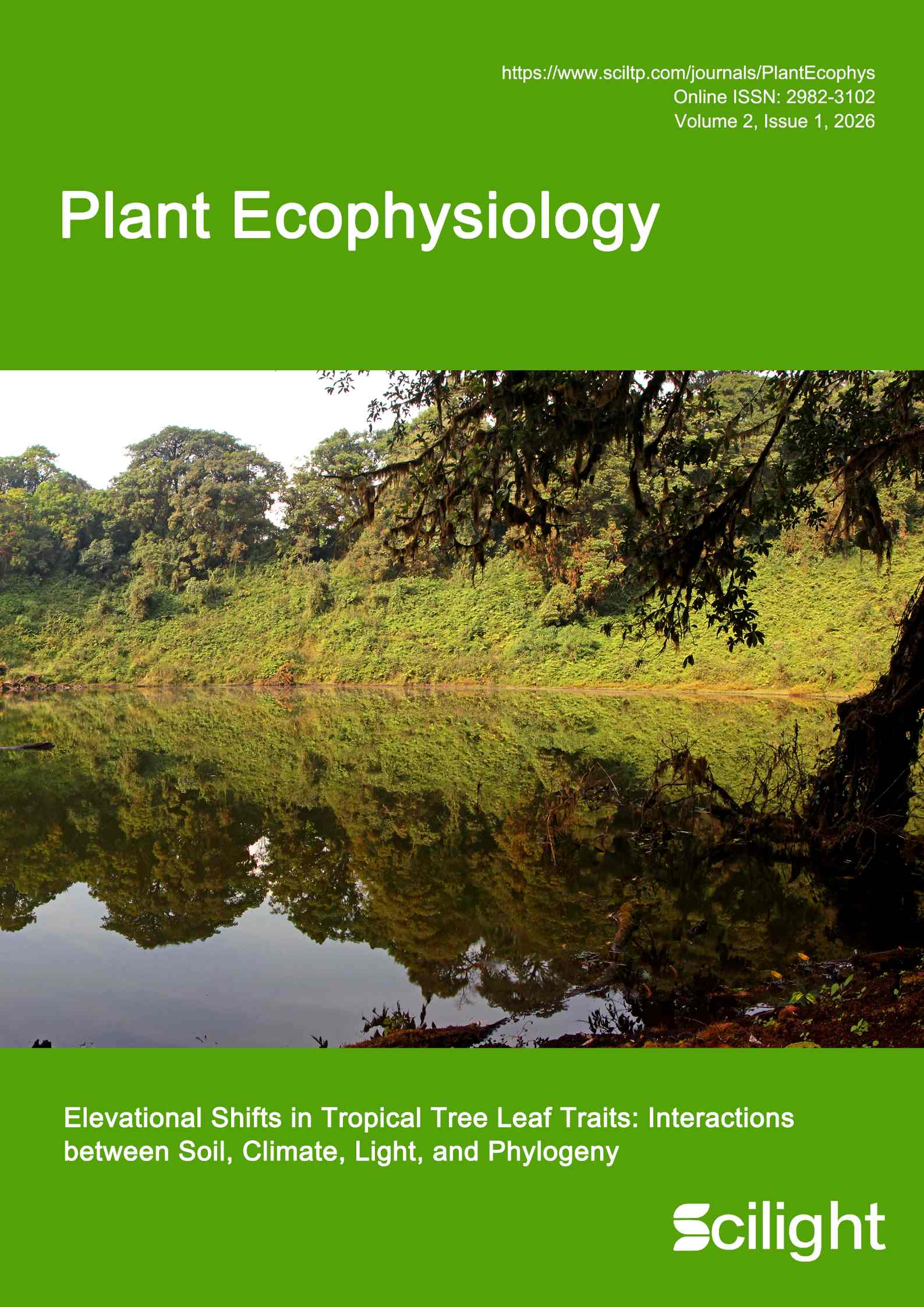
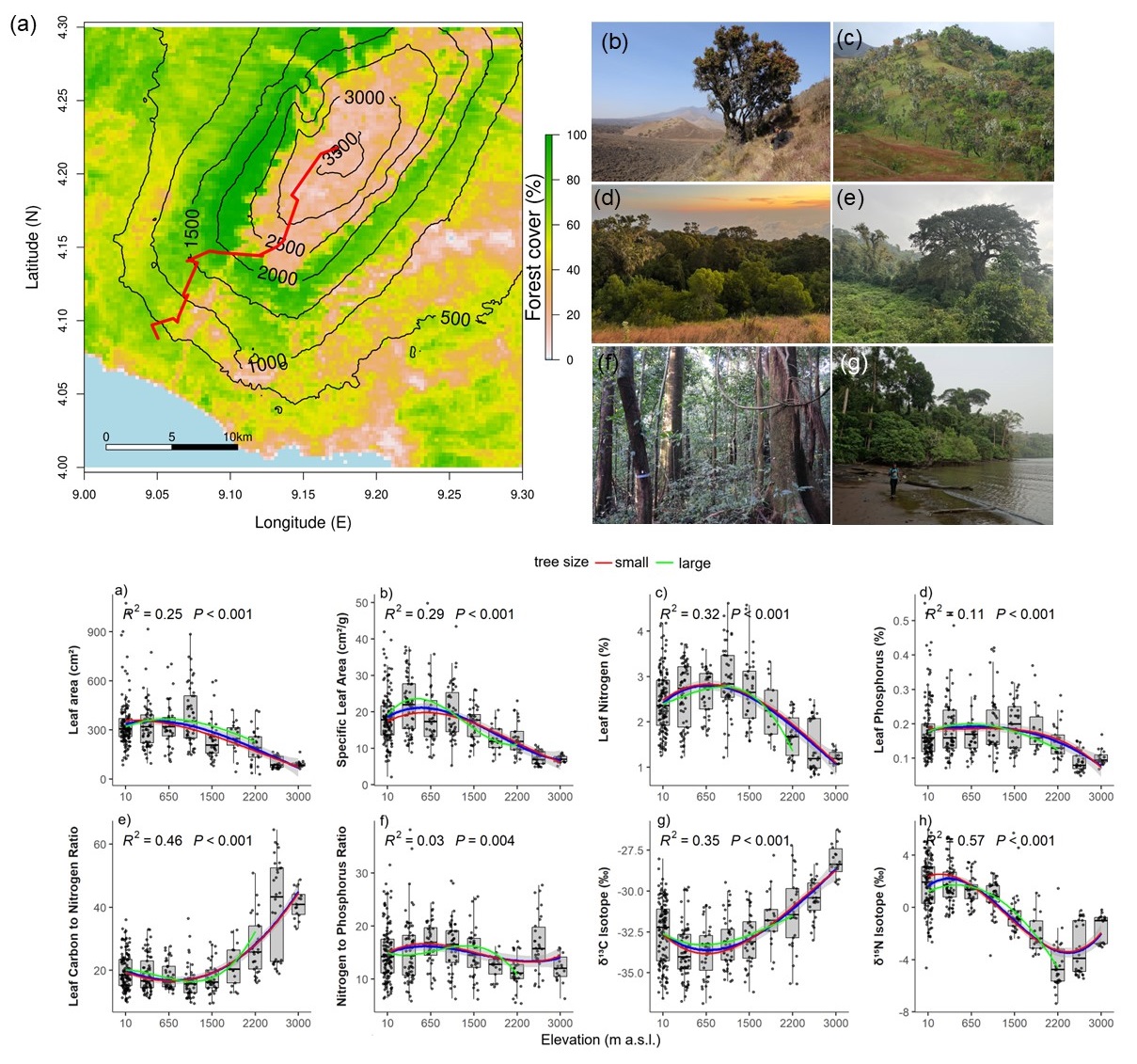
Cover Story: Mount Cameroon spans one of the world's steepest tropical elevational gradients, from hyper-humid coastal rainforest to dry upper montane forest and Afroalpine savanna. Across 160 tree species, we show that leaf traits shift nonlinearly along this gradient as climate, soils, light, disturbance, and phylogenetic history interact to shape plant strategies. Mid-elevation forests support acquisitive leaves with high specific leaf area and nutrient content, whereas lowland and high-elevation communities converge on conservative trait syndromes through different pathways, including nutrient leaching, waterlogging, drought, and fire. Stable isotopes reveal striking shifts in water-use efficiency and nitrogen cycling, highlighting how multiple environmental filters structure tropical forest function under climate change. View the paper.
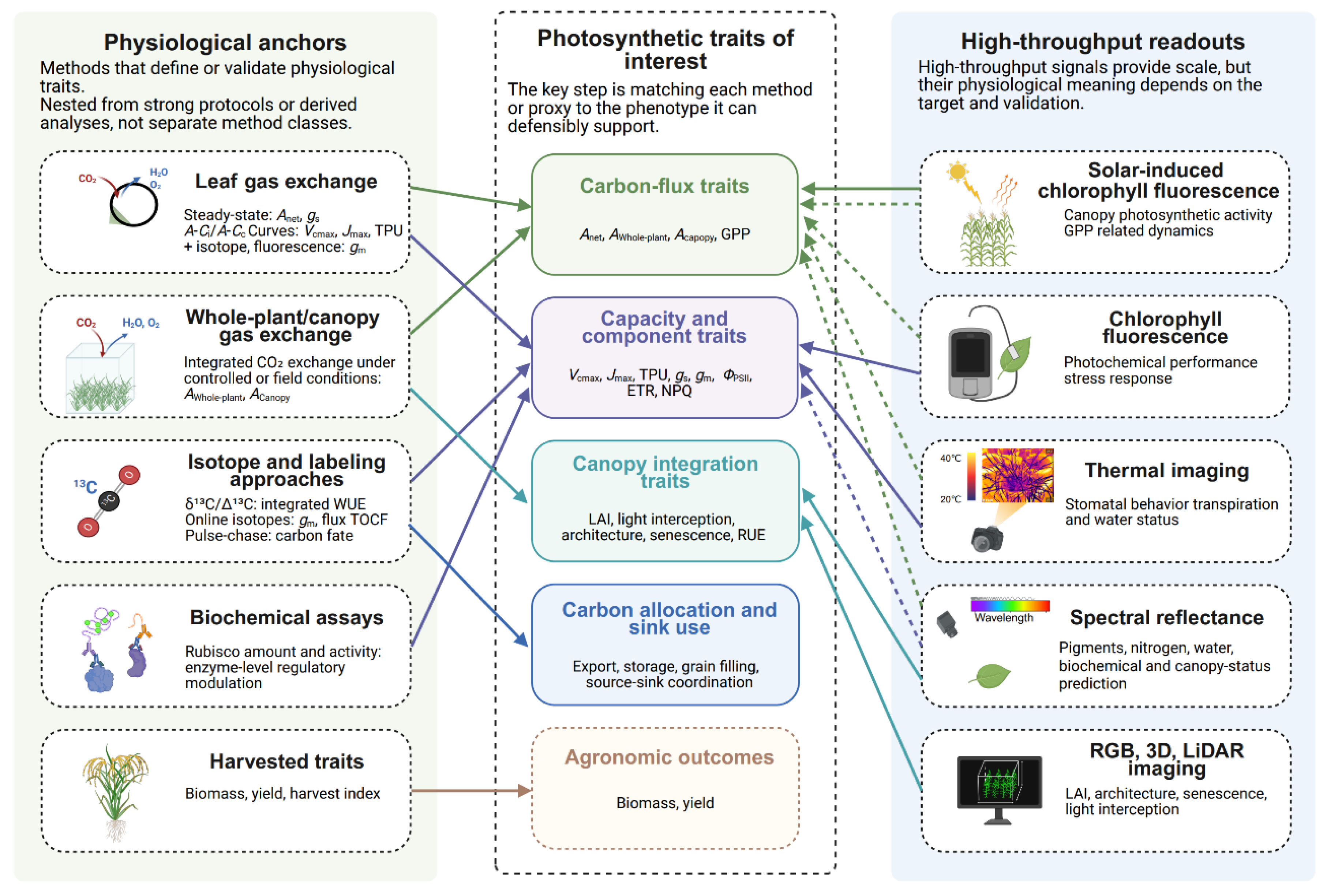
Photosynthesis Phenotyping: Where Are We and How Should We Move Forward?
Weila Cheng, Ningyu Liu, Hongshun Xiang, Xianke Yang, Xiaoxia Ling, Dongliang Xiong
2026, 2(1): 4. doi: 10.53941/plantecophys.2026.100004
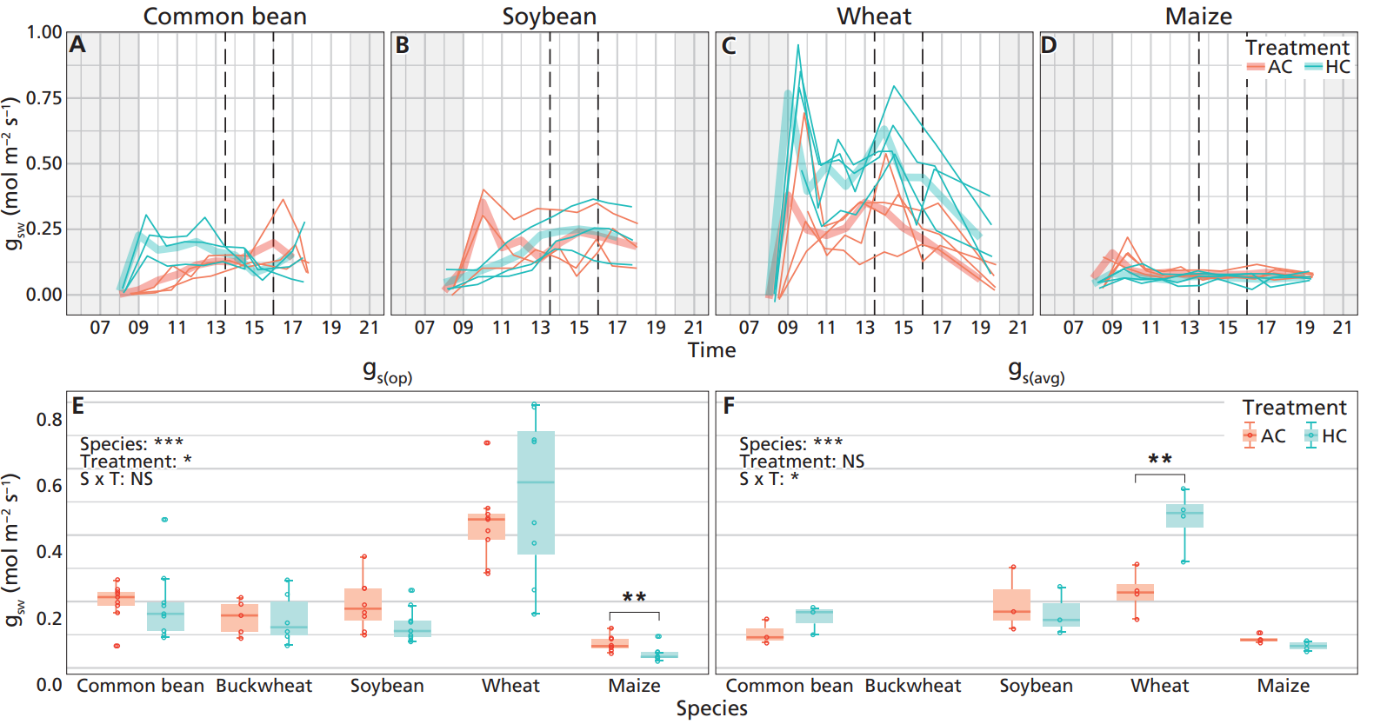
Experimental Evidence for Coordinated Leaf Trait Responses to Elevated CO2 in Five Common Crop Species
Astrid Odé, Paul L. Drake, Erik J. Veneklaas, Jan A. Lankhorst, Karin T. Rebel, Hugo J. de Boer
2026, 2(1): 3. doi: 10.53941/plantecophys.2026.100003
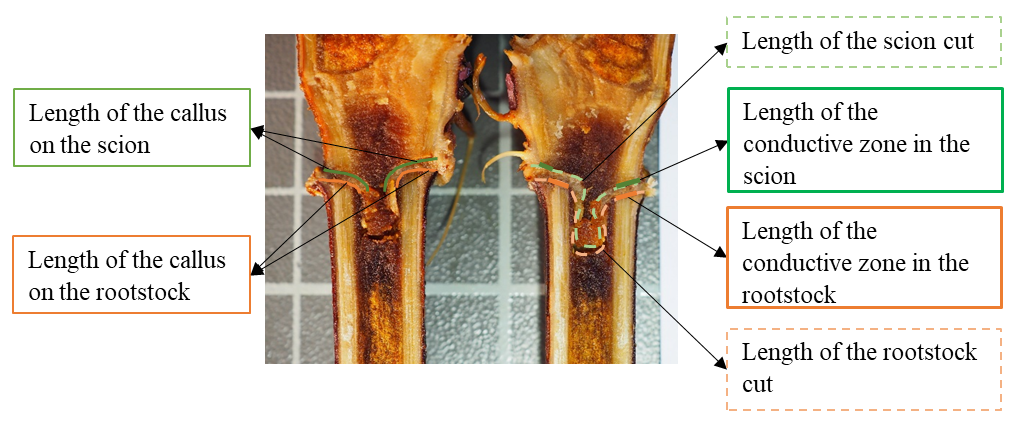
Evaluation of Grafting Method and Scion—Rootstock Alignment Effects on Anatomical Development and Hydraulic Properties of Grapevine (Vitis vinifera L.) Graft Unions
Ana Villa-Llop, Sara Crespo-Martínez, Maite Loidi, Ana Pina, Patricia Irisarri, Luis Gonzaga Santesteban
2026, 2(1): 2. doi: 10.53941/plantecophys.2026.100002
Elevational Shifts in Tropical Tree Leaf Traits: Interactions between Soil, Climate, Light, and Phylogeny
Jiří Doležal, Kirill Korznikov, Vaclav Bažant, Thinles Chondol, Adam Taylor Ruka, Jorge Gago
2026, 2(1): 1. doi: 10.53941/plantecophys.2026.100001

 Suite 4002 Level 4, 447 Collins Street, Melbourne, Victoria 3000, Australia
 General Inquiries: info@sciltp.com