
Call For Papers
Food Science and Processing
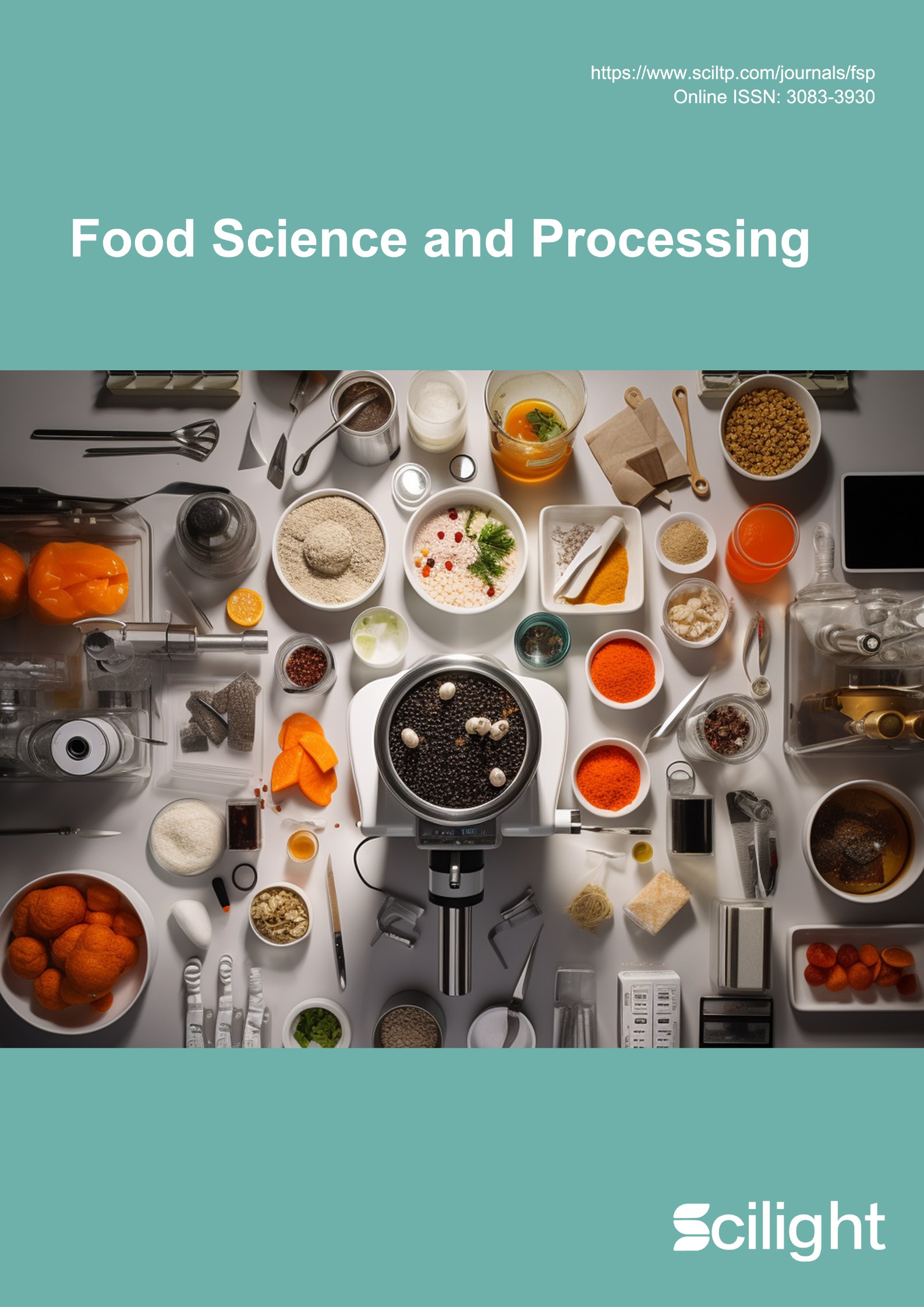
Clean-Label Ingredients and Reformulation Strategies for Healthier and Sustainable Food Products
The reformulation of food products to improve their nutritional profile while maintaining technological functionality and consumer acceptance has become a major priority for both the food industry and the scientific community. Growing consumer demand for clean-label foods and environmentally responsible production systems has accelerated research into natural ingredients, alternative formulation strategies, and sustainable processing approaches. Clean-label reformulation focuses on reducing or replacing synthetic additives—such as phosphates, nitrites, artificial antioxidants, and excessive sodium or saturated fats—by using natural ingredients and innovative technologies. In parallel, sustainability and circular economy concepts are increasingly relevant in food processing, encouraging the valorization of agro-industrial by-products, the use of alternative protein sources, and the development of resource-efficient food systems. We aim to gather recent advances in clean-label ingredients, reformulation strategies, and sustainable processing technologies to develop healthier, more environmentally responsible food products. Topics of Interest include: Clean-label ingredients and natural additives in food formulations Sodium reduction strategies and salt replacers in processed foods Replacement of phosphates, nitrites, and other synthetic additives Fat reduction strategies and development of fat replacers Functional plant ingredients, fibers, and protein-based structuring agents Alternative proteins and hybrid food products Natural antioxidants and antimicrobial ingredients Valorization of agro-industrial by-products as functional food ingredients Circular economy approaches in food processing and ingredient development Sustainable ingredient sourcing and environmentally responsible processing Emerging processing technologies supporting food reformulation Physicochemical, nutritional, sensory, and consumer acceptance of reformulated foods Submission Guidelines: Authors are invited to submit their manuscripts through our online submission system. Please consult the Instruction for Authors before submission. Article Processing Charges (APCs) are waived before December 2026.
Food Science and Processing
Deadline: 31 Dec 2026Advances in Food Science, Processing, and Preservation for Sustainable and High-Quality Food Systems
Food systems are evolving rapidly in response to increasing global demand for safe, nutritious, high-quality, and shelf-stable foods. Modern food science is no longer limited to composition and quality evaluation alone, but also encompasses innovative processing technologies, preservation strategies, functional ingredient development, food safety, and sustainability. Emerging approaches in food processing and preservation are playing a key role in maintaining nutritional value, extending shelf life, reducing postharvest and industrial losses, and improving consumer acceptability. We aim to bring together original research articles and critical reviews that address recent advances across the broad fields of food science, food processing, and food preservation. It welcomes studies on physicochemical, nutritional, microbiological, and sensory aspects of foods, as well as innovative processing and preservation methods that enhance food quality, safety, and stability. Contributions that integrate science, engineering, biotechnology, and industrial application are especially encouraged to support the development of sustainable and resilient food systems. Topics of Interest include: Food composition, quality, and physicochemical properties Nutritional evaluation and stability of food components Functional foods and bioactive compounds Food formulation and product development Conventional and emerging food processing technologies Thermal and non-thermal processing methods Drying, freezing, fermentation, extrusion, and packaging innovations Food preservation strategies for shelf-life extension Natural preservatives and clean-label preservation approaches Microbial safety and foodborne pathogen control Effect of processing on flavor, texture, color, and sensory quality Postharvest preservation of fruits, vegetables, meat, dairy, and cereal products Encapsulation and protection of sensitive food ingredients Food waste reduction and by-product valorization Sustainable processing and preservation systems Smart technologies and AI-based applications in food quality, processing, and preservation Academic Editor Dr. Noman Walayat (20232004@zafu.edu.cn; noman.rai66@gmail.com) Zhejiang Agriculture and Forestry University, Hangzhou, China. Official website: https://tsc.zafu.edu.cn/info/1193/3034.htm Submission Guidelines: To submit your manuscript, please visit the Food Science and Processing journal website: https://www.sciltp.com/journals/fsp Author submission guidelines can be found at: https://www.sciltp.com/journals/fsp/instructionForAuthors There is No Article Processing Charge (APC) for all submissions and accepted papers. All accepted papers will be published in the earliest available issue. All manuscripts will undergo peer review in accordance with the journal’s established policies and procedures. Final acceptance will be based on the peer-review reports and the evaluation of the Academic Editors and the Editor-in-Chief. Decisions will be made by the Editor-in-Chief or Academic Editors who have no conflicts of interest with any of the authors.
Food Science and Processing
Deadline: 20 Dec 2026

 Suite 4002 Level 4, 447 Collins Street, Melbourne, Victoria 3000, Australia
 General Inquiries: info@sciltp.com