
Volume 3, Issue 1 - 2026
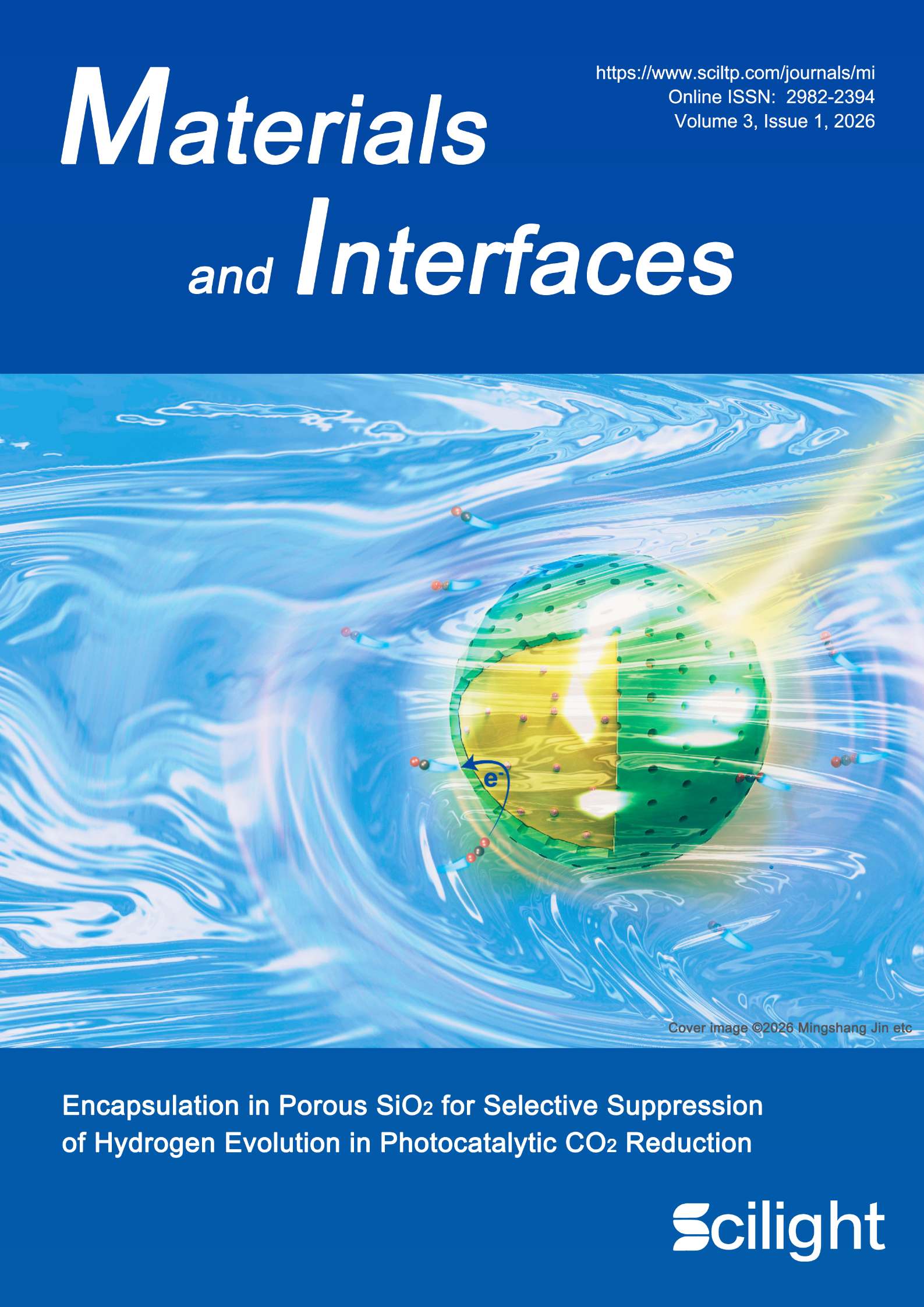
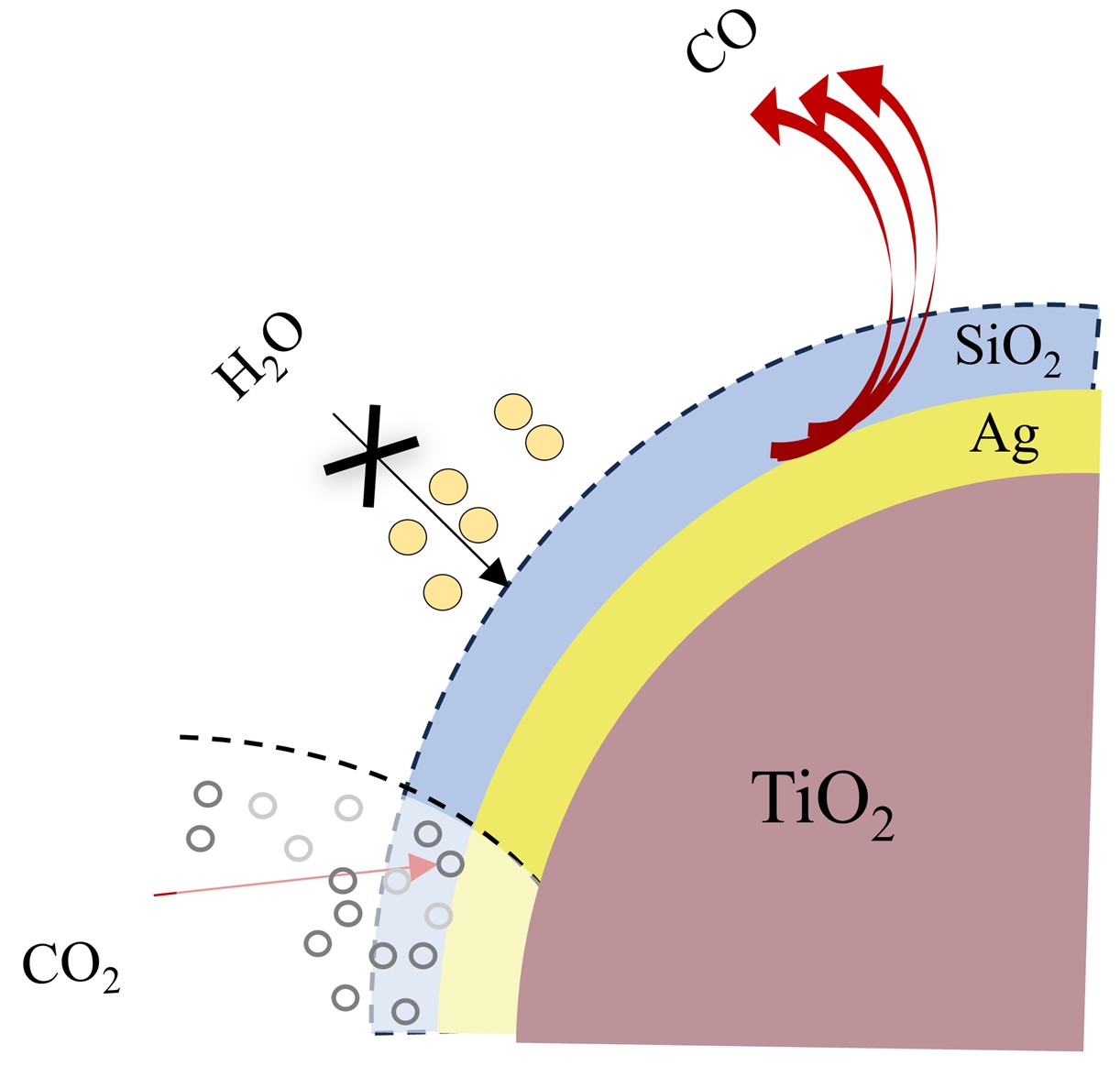
Cover Story: In conventional solid-liquid-gas photocatalytic carbon dioxide reaction systems, inefficient diffusion of CO2 to the catalyst surface often leads to dominant hydrogen evolution reaction (HER), limiting CO2 conversion efficiency and product selectivity. Herein, we propose a catalyst encapsulation strategy using porous silicon dioxide (SiO2) to spatially control molecular transport toward the active sites. As shown in the figure, a dry cavity forms around the porous material, indicating that the ingress of water molecules is restricted. Meanwhile, CO2 molecules pass unimpeded through the green SiO2 shell and are reduced to CO by photo-generated electrons on the pale red Ag nanoparticles. By encapsulating Ag-modified titanium dioxide within a porous SiO2 layer, we effectively restrict water access to the catalytic interface while facilitating CO2 permeation. As a result, the parasitic HER is significantly suppressed, enabling an exceptional 100% selectivity for CO production from photocatalytic CO2 reduction in pure water, which is a dramatic improvement from the mere 5.9% CO selectivity of the unencapsulated Ag-TiO2 catalyst. This design achieves near-complete suppression of HER and 100% selectivity toward CO production under photocatalytic conditions. Our work provides a versatile interfacial engineering approach to overcome mass transfer limitations in three-phase photocatalytic systems, opening avenues for efficient gas-involving photoreactions.
Lu, J.; Li, Y.; Wang, Y.; Guan, Q.; Ge, Z.; Ren, Y.; Zhao, Y.; Wang, Q.; Jin, M. Encapsulation in Porous SiO2 for Selective Suppression of Hydrogen Evolution in Photocatalytic CO2 Reduction. Materials and Interfaces 2026, 3 (1), 1–9. https://doi.org/10.53941/mi.2026.100001
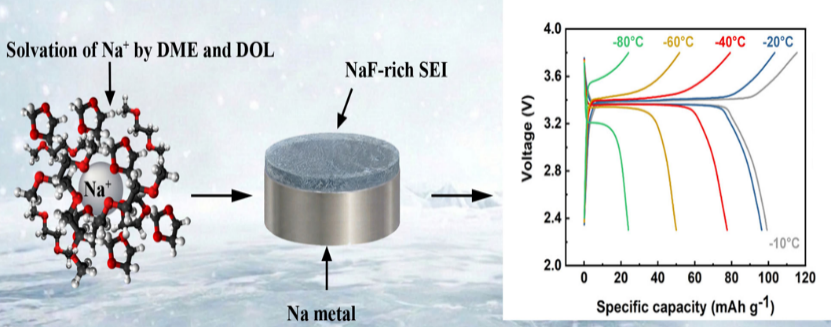
Rational Electrolyte Formulation for Sodium Metal Batteries Operating in Extremely Cold Environments
Chuanlong Wang, Peiyu Wang, Weiyang Li
2026, 3(1): 74-83. doi: 10.53941/mi.2026.100007
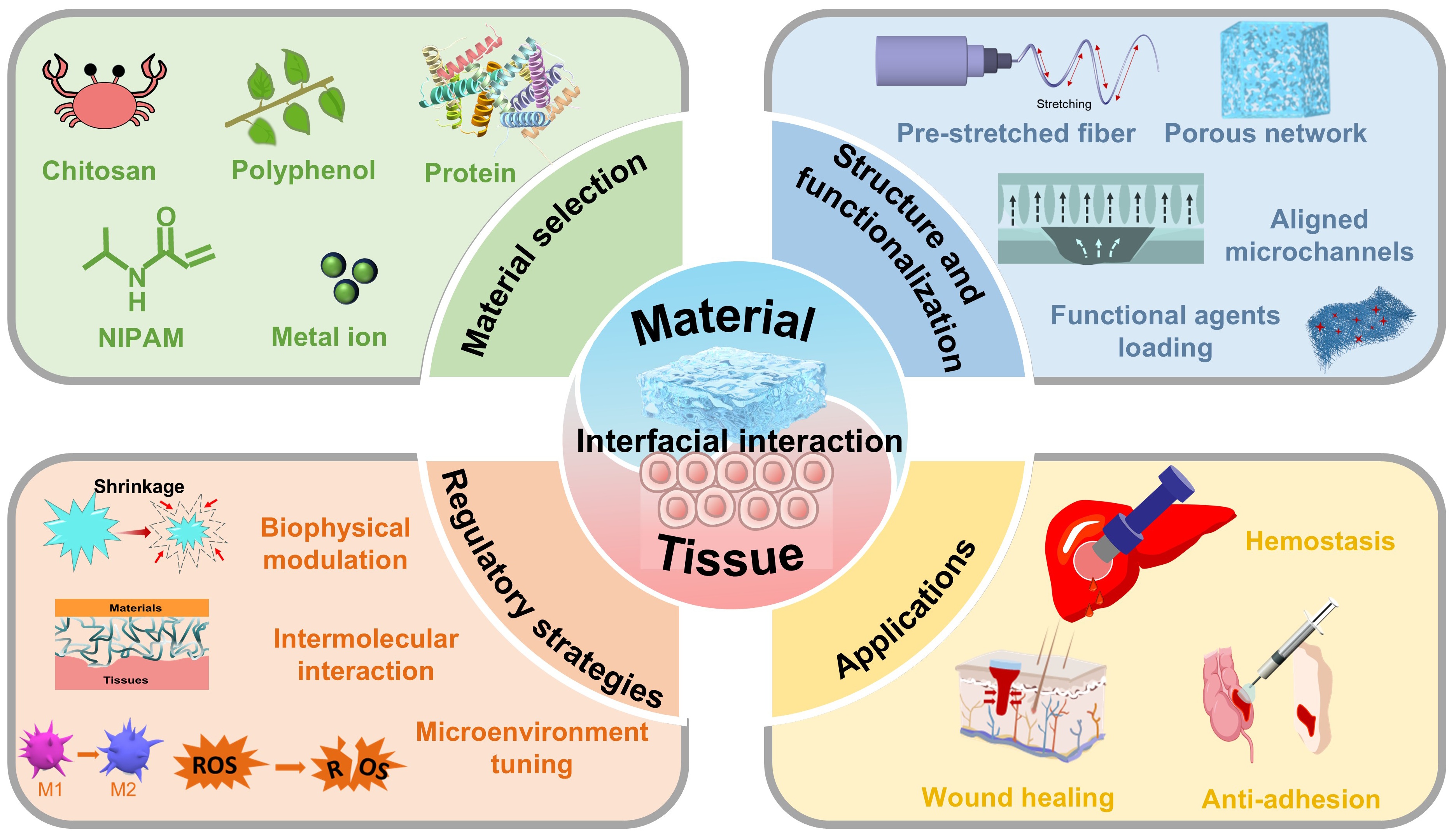
Interfacial Engineering of Biofunctional Materials for Soft Tissue Repair
Xueyan Li, Xinyu Wang, Meimeng Dai, Lisi Liu, Urszula Stachewicz, Jianyong Yu, Xiaoran Li, Bin Ding
2026, 3(1): 52-73. doi: 10.53941/mi.2026.100006
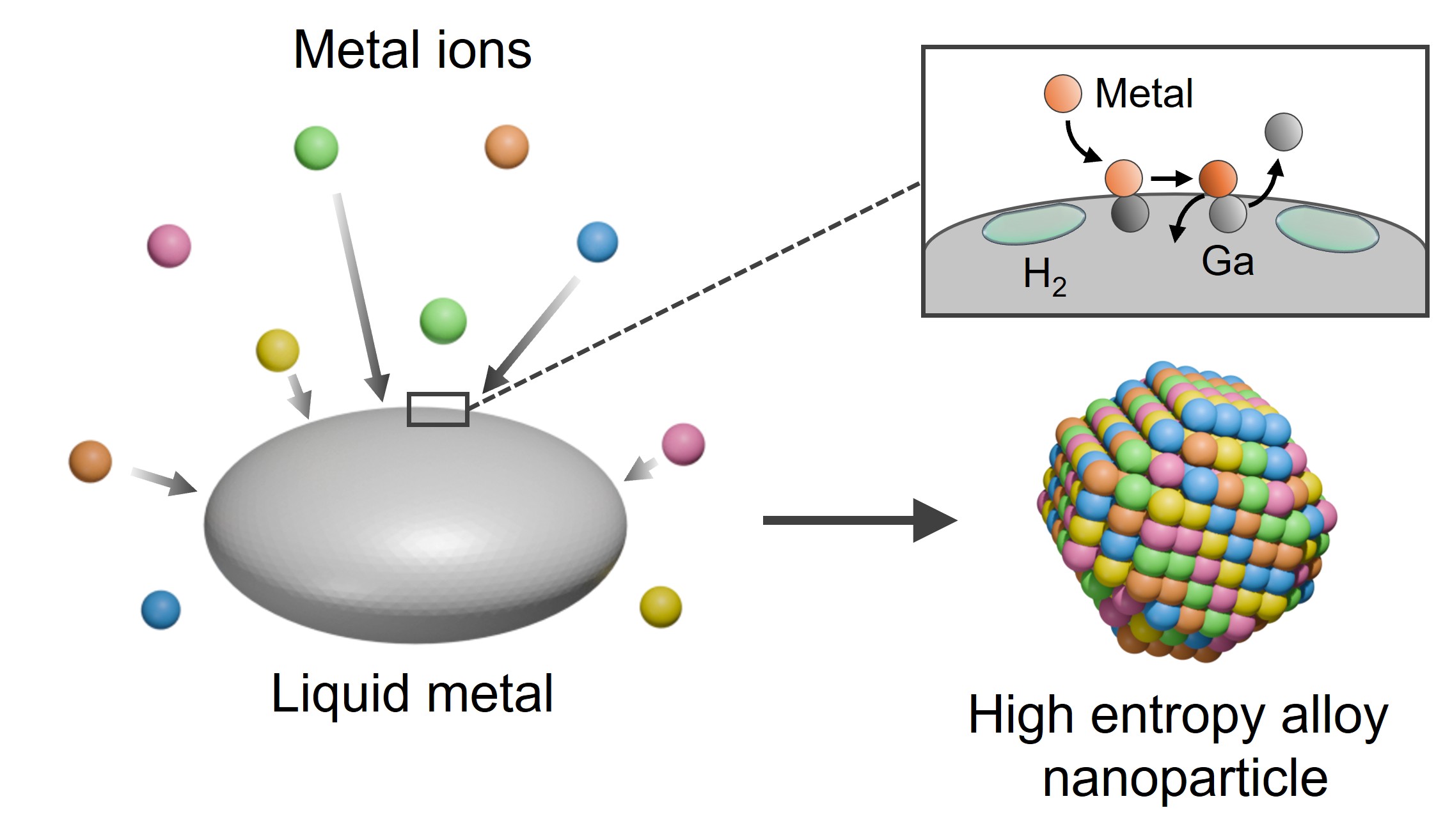
Kinetic Trapping of High-Entropy Alloys via Fast Reduction and Mixing in a Liquid Metal
Zhiheng Lyu
2026, 3(1): 48-51. doi: 10.53941/mi.2026.100005
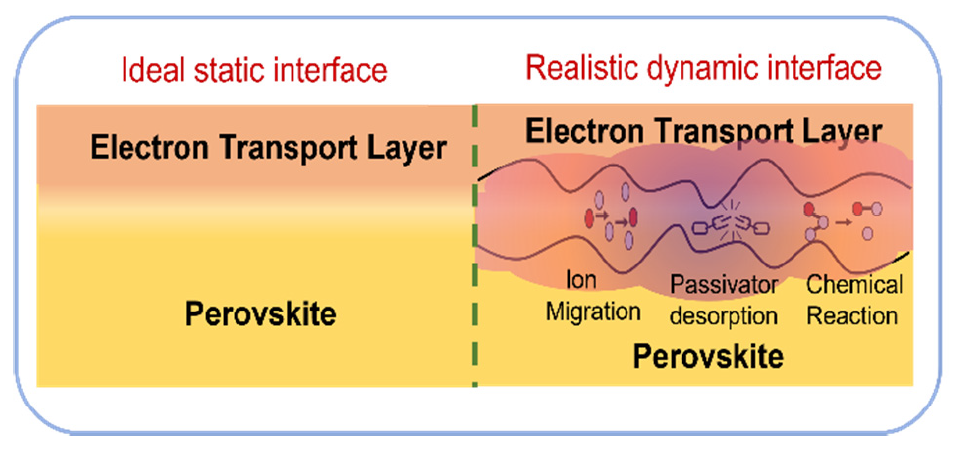
Qingyun Xiao, Xiaofen Jiang, Xiaonan Wang, Qinggui Li, Rui Wang, Jingjing Xue
2026, 3(1): 35-47. doi: 10.53941/mi.2026.100004
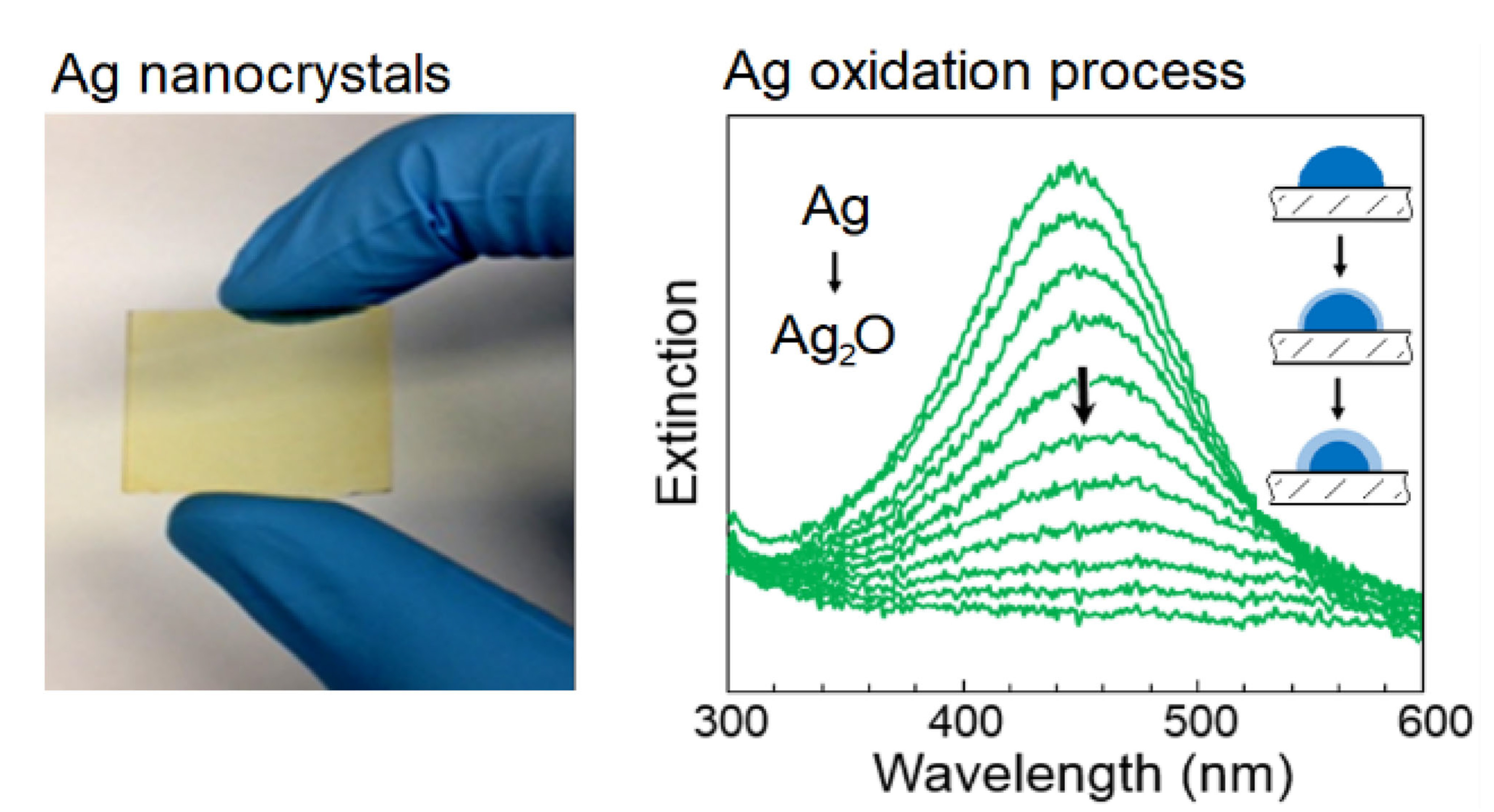
Understanding the Surface Oxidation of Ag Nanocrystals under Different Environmental Conditions
Kyle D. Gilroy, Yutong Wang, Younan Xia
2026, 3(1): 22-34. doi: 10.53941/mi.2026.100003
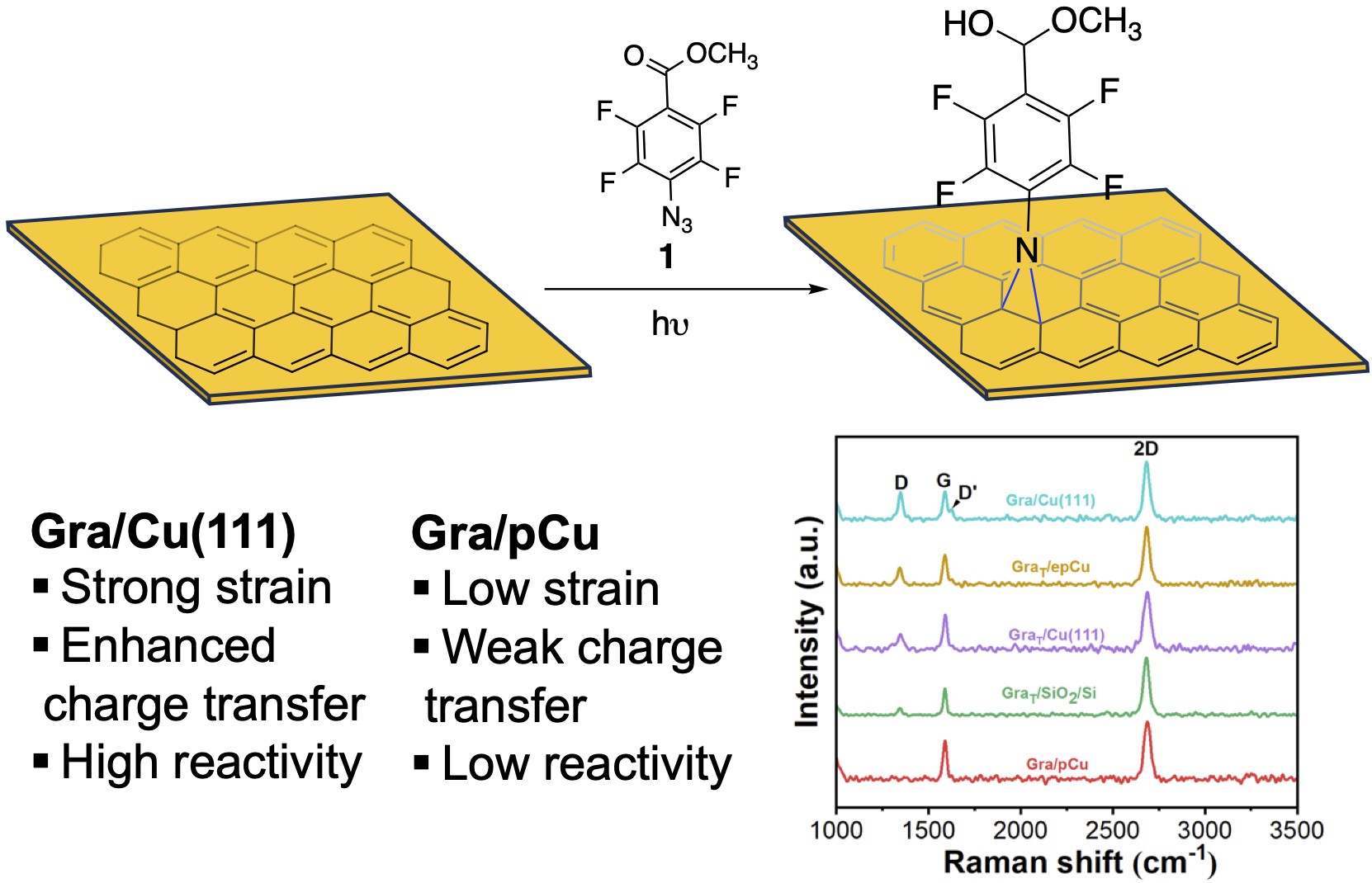
Reactivity of Perfluorophenyl Azide with Graphene Supported on Cu: Effect of Substrate Crystallinity
Jia Tu, Mingdi Yan
2026, 3(1): 10-21. doi: 10.53941/mi.2026.100002
Encapsulation in Porous SiO2 for Selective Suppression of Hydrogen Evolution in Photocatalytic CO2 Reduction
Junhao Lu, Yanan Li, Yiduo Wang, Qingqing Guan, Zixin Ge, Yuan Ren, Yaohui Zhao, Qian Wang, Mingshang Jin
2026, 3(1): 1-9. doi: 10.53941/mi.2026.100001

 Suite 4002 Level 4, 447 Collins Street, Melbourne, Victoria 3000, Australia
 General Inquiries: info@sciltp.com