
Volume 3, Issue 3 - 2026
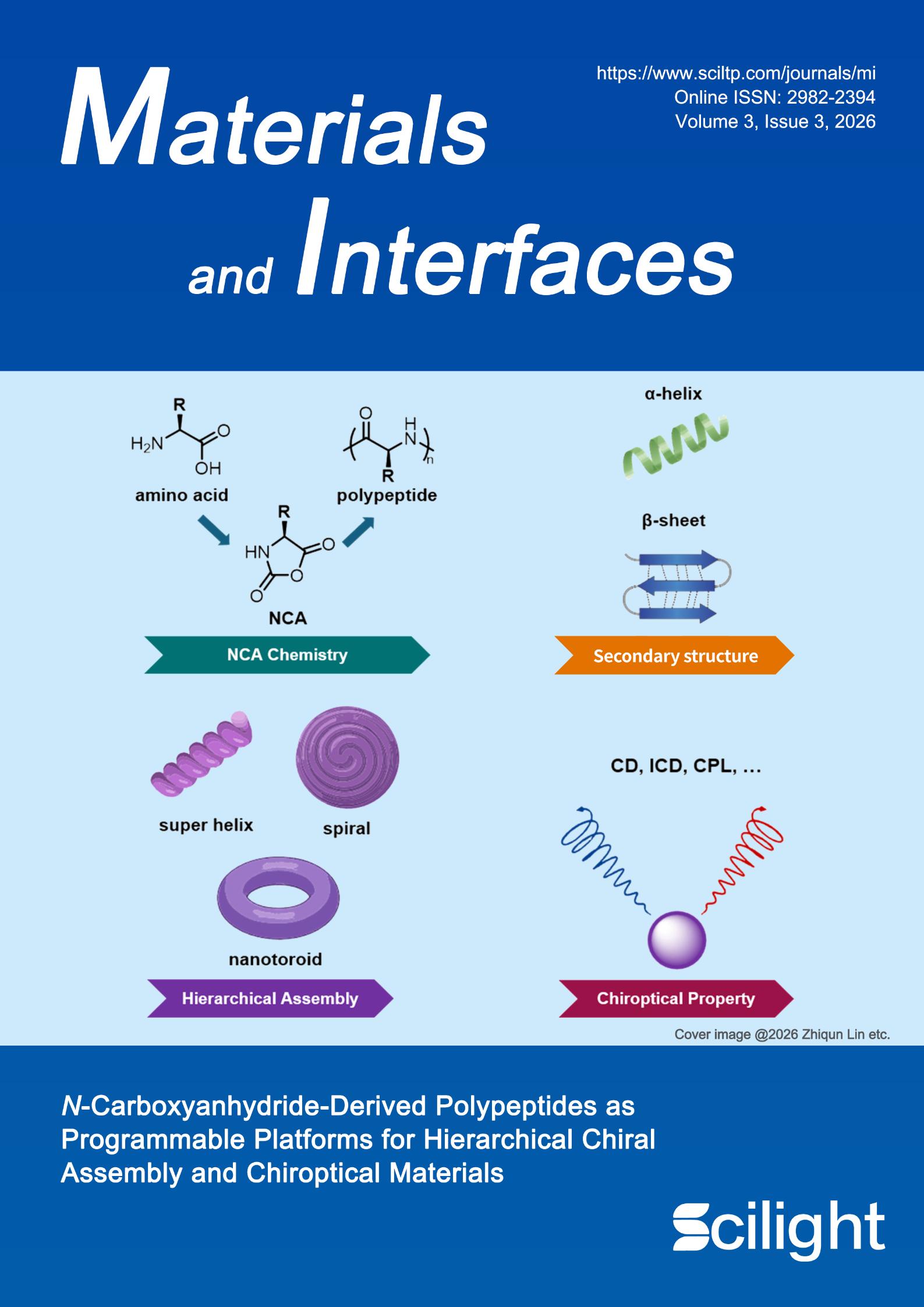
Cover Story: Translating molecular chirality into tunable optical responses is central to developing advanced chiroptical materials. This review explores N-carboxyanhydride (NCA)-derived polypeptides as programmable platforms linking molecular design, hierarchical chiral assembly, and optical function. NCA ring-opening polymerization enables control over stereochemistry, chain length, architecture, and functionality, directing secondary structures and higher-order organization. Through secondary structures such as α-helices and β-sheets, molecular chirality extends across multiple length scales into superhelices, nanotoroids, liquid-crystalline phases, and ordered bulk materials. These organized environments can transfer chirality to covalently attached or noncovalently incorporated chromophores, enabling induced circular dichroism and circularly polarized luminescence. Examples spanning emissive liquid crystals, aqueous nanotoroids, and phosphorescent aggregates illustrate how conformation and supramolecular packing regulate chiroptical responses. This review highlights design principles, challenges, and opportunities for translating these relationships into functional materials, with potential applications in chiral sensing, polarization-resolved bioimaging, and transient/biodegradable optical systems.
Wang, S.; Zhang, M.; Kim, M.; Wu, W.; Lin, Z. N-Carboxyanhydride-Derived Polypeptides as Programmable Platforms for Hierarchical Chiral Assembly and Chiroptical Materials. Materials and Interfaces 2026, 3 (3), 313–332. https://doi.org/10.53941/mi.2026.100021
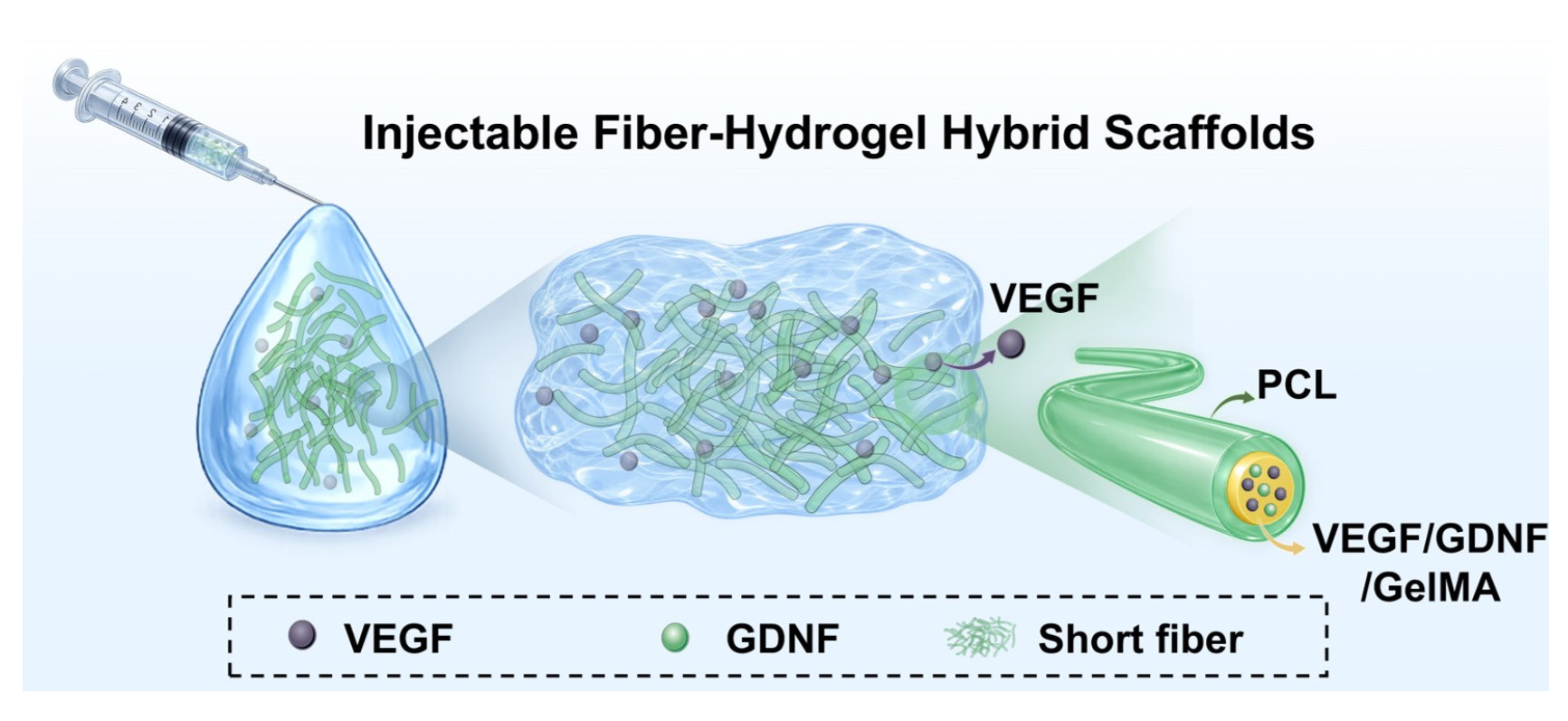
Injectable Fiber-Hydrogel Hybrid Scaffolds for Localized Growth Factor Delivery and Modulation of Vascular and Neuronal Cell Responses
Li Ruan, Kaiqin Mo, Wenzhe Du, Kang Huo, Jianfeng Han, Jichuan Qiu, Feng Tian, Jiajia Xue
2026, 3(3): 333-344. doi: 10.53941/mi.2026.100022
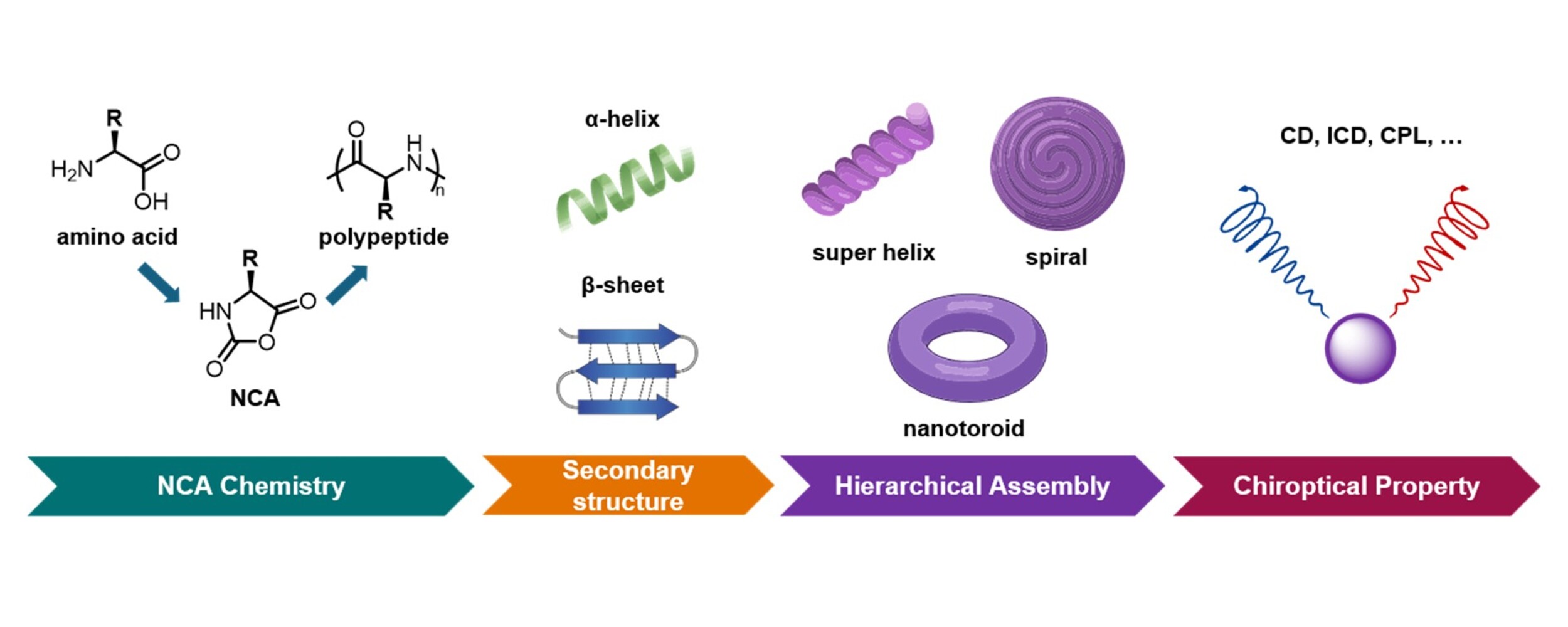
N-Carboxyanhydride-Derived Polypeptides as Programmable Platforms for Hierarchical Chiral Assembly and Chiroptical Materials
Shuo Wang, Mingyue Zhang, Minju Kim, Wenxuan Wu, Zhiqun Lin
2026, 3(3): 313-332. doi: 10.53941/mi.2026.100021
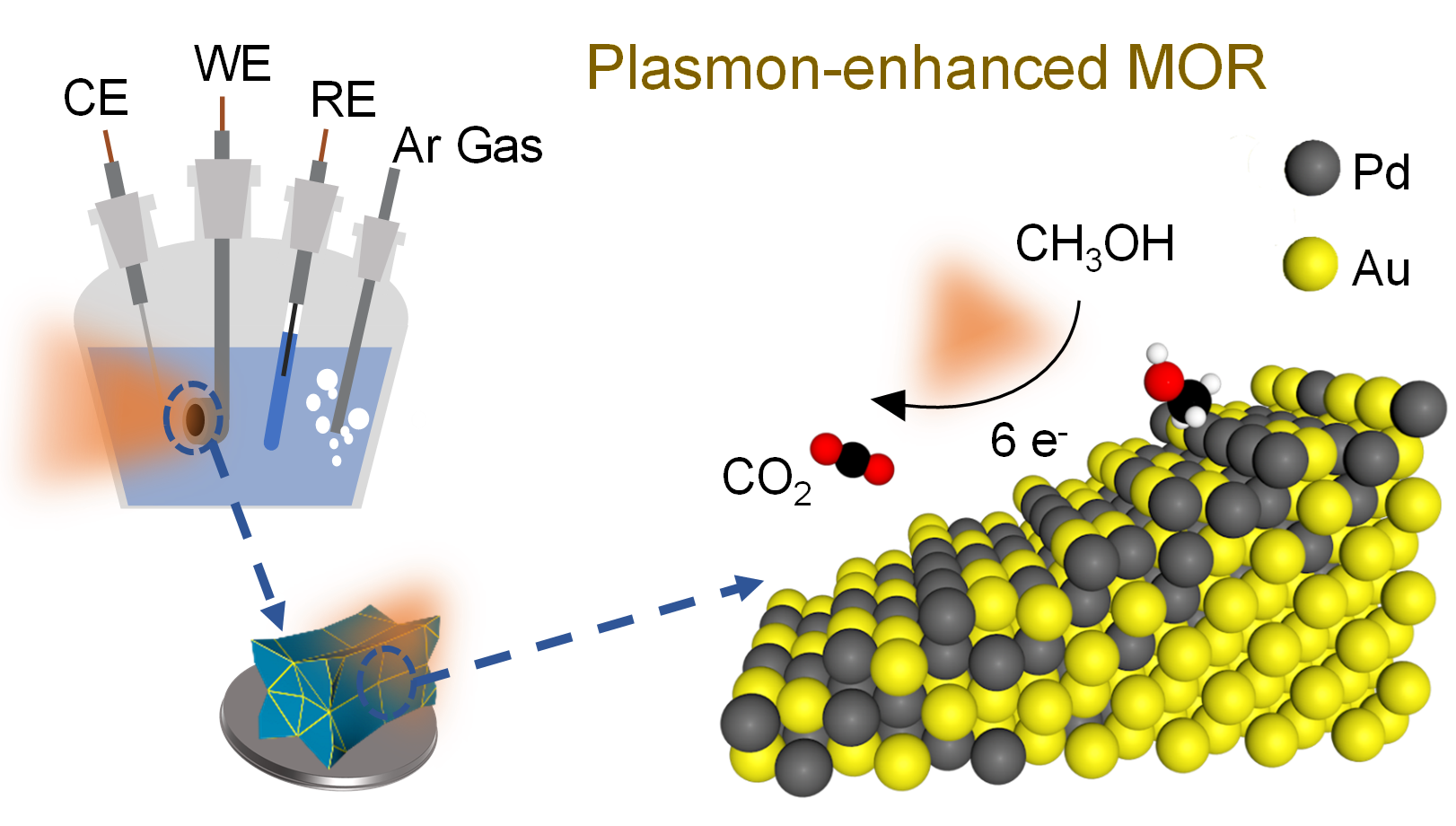
Structurally Modulated AuPd Alloy Nanorods for Plasmon-Promoted Methanol Electrooxidation
Zixu Wang, Guoxin Cao, Guizeng Yang, Lichao Sun, Vladimir Bochenkov, Qingfeng Zhang
2026, 3(3): 298-312. doi: 10.53941/mi.2026.100020
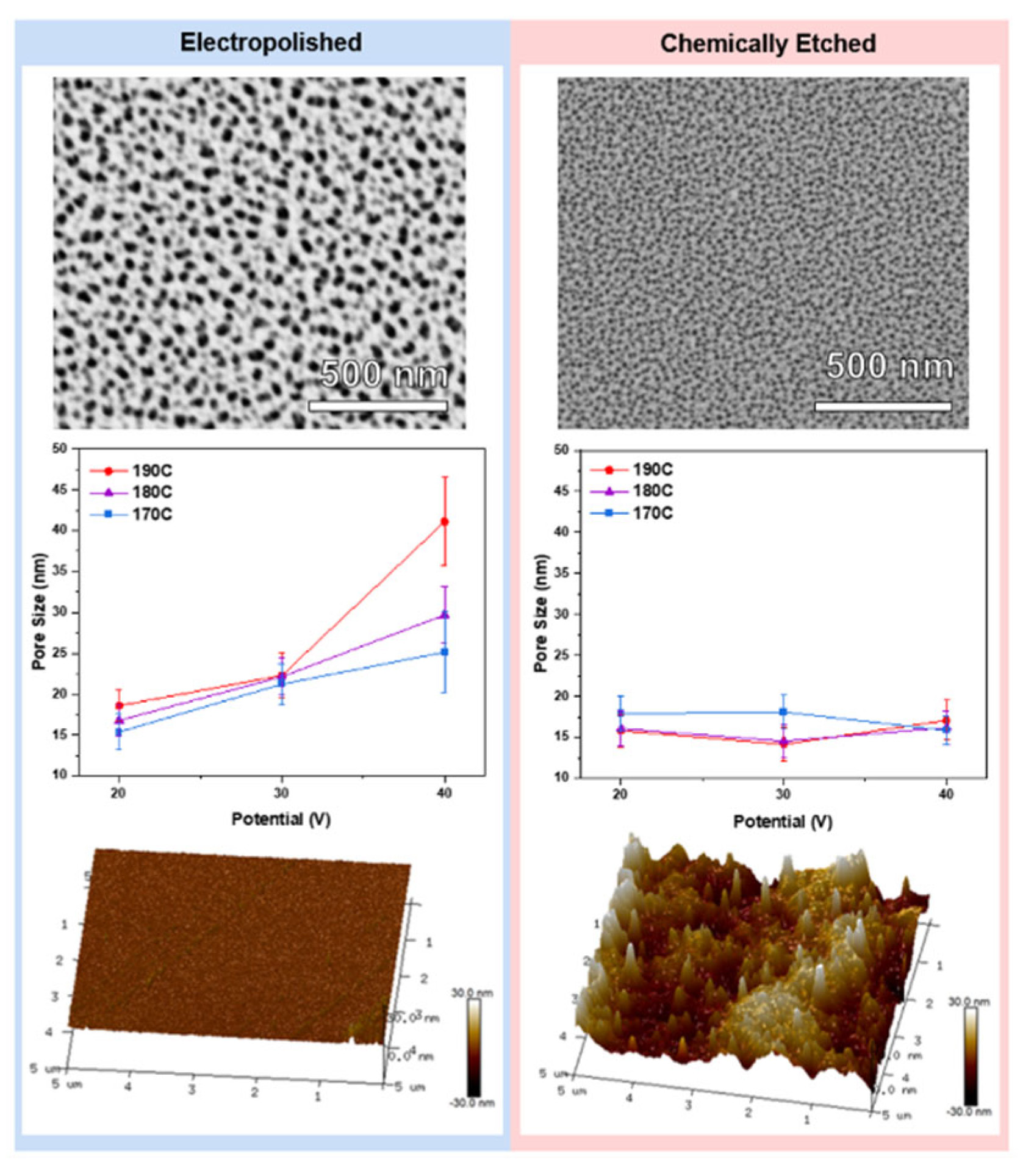
Effect of Electropolishing on Morphology and Adhesion of Nanostructured Anodic Tantalum Oxide Thin Films
Sarah E. Pooley, Cyrus Koroni, Shinthia Binte Eskender, Jacob Olson, Joshua A. Russell, Max Bork, Timothy Merrell, Gage Cook, Scarlet Fields, Kaden Kunz, Kiev Dixon, Pete Barnes, Brian Jaques, Hui Xiong
2026, 3(3): 287-297. doi: 10.53941/mi.2026.100019
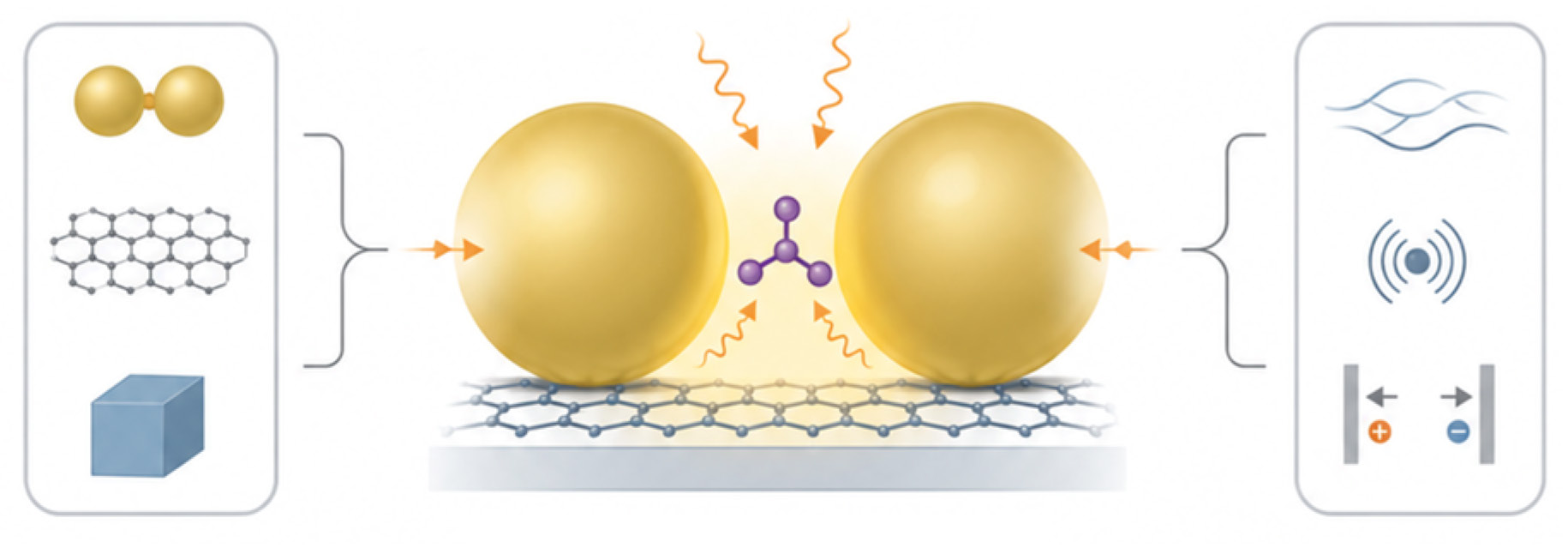
Hybrid SERS Platforms for Enhanced Biochemical Sensing
Jiazheng Bao, Bin Lian, Hyungmok Joh, Alan Xiaolong Wang, Donglei Emma Fan
2026, 3(3): 245-286. doi: 10.53941/mi.2026.100018
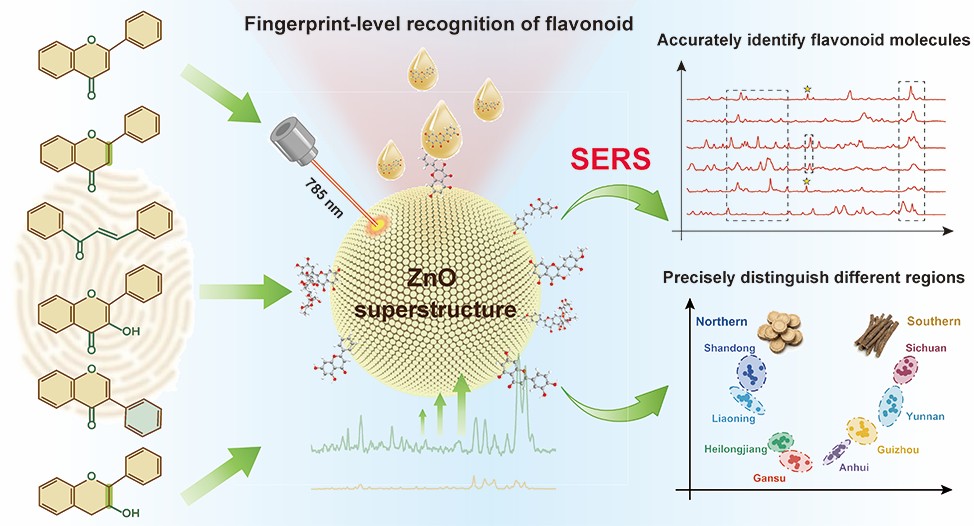
Semiconductor SERS Platform Enables Rapid Discrimination of Structurally Similar Flavonoids in Multicomponent Systems
Haisu Wang, Siqi Li, Yuting Song, Yanguo Guo, Junbo Li, Lei Sun, Yunfei Xie, Wei Ji
2026, 3(3): 233-244. doi: 10.53941/mi.2026.100017
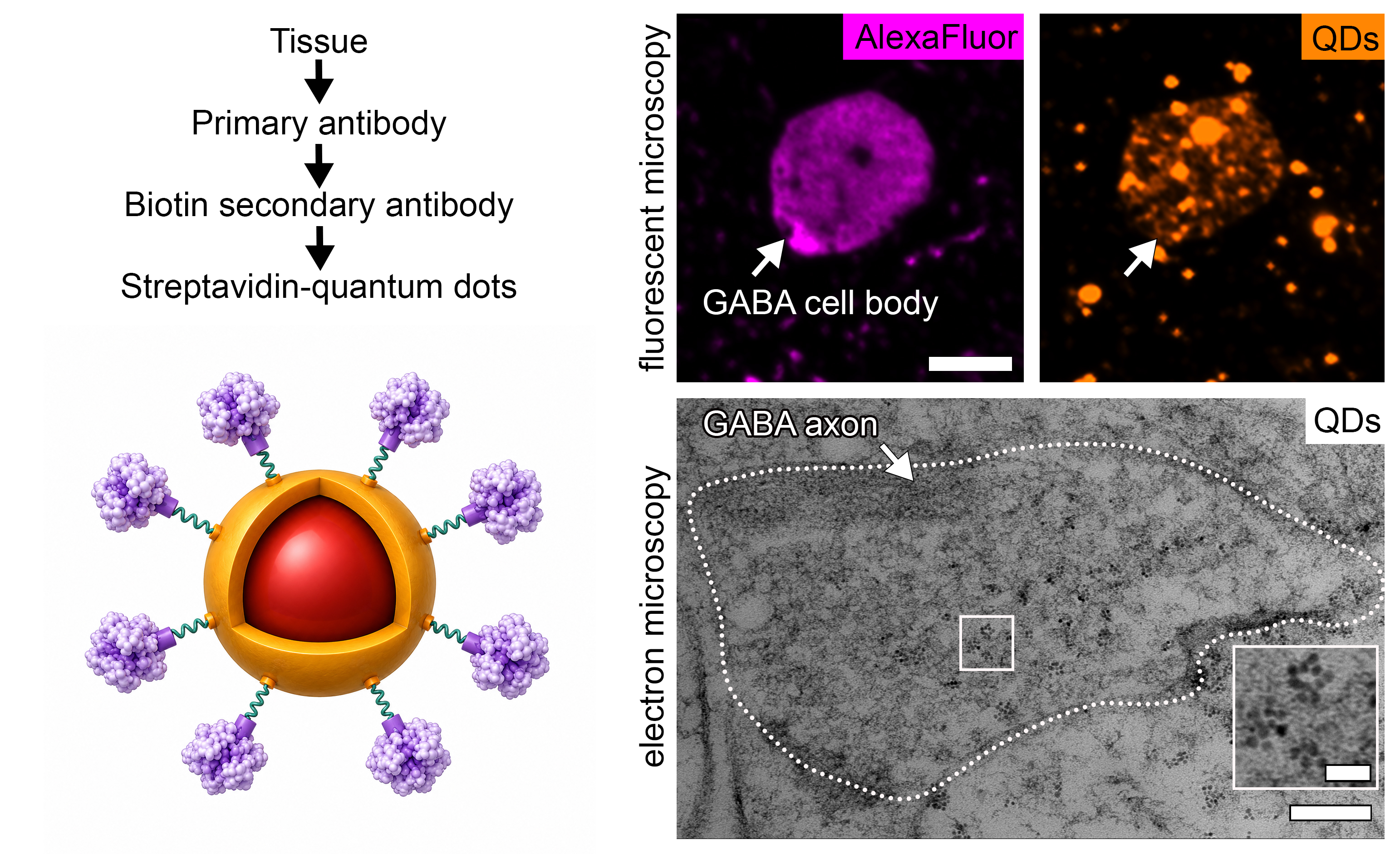
Imaging of Brain Tissue Using CdSe/CdS Core/Shell Quantum Dots for Correlative Fluorescence and Electron Microscopy
Hawi N. Nyiera, Janeth Pérez-Garza, Linnaea Ostroff, Jing Zhao
2026, 3(3): 227-232. doi: 10.53941/mi.2026.100016

 Suite 4002 Level 4, 447 Collins Street, Melbourne, Victoria 3000, Australia
 General Inquiries: info@sciltp.com