
Earth: Environmental Sustainability
Editor-in-Chief: Prof. Damia Barcelo, University of Almeria, Spain;
Prof. Paulo Pereira, Mykolas Romeris University, Lithuania.
Earth: Environmental Sustainability (EESUS) publishes novel and significant original research with a global impact from various natural, engineering and social fields focused on sustainability, its legal and political dimensions and possible solutions. Understanding how to ensure the well-being of current and future generations within the limits of global boundaries is the overarching goal of sustainability. There is now a much stronger call for integrated knowledge about the Earth and its ecosystems, as highlighted by the United Nations Sustainable Development Goals. More
- Open AccessOpinion
Transcending Global Change Biology Disciplinary Boundaries through Ecophysiotoxicology
Evgenios Agathokleous
2026, 2(3): 290–300. doi: 10.53941/eesus.2026.100020
Download PDF15 Downloaded133 Viewed - Open AccessReview
Contaminated Stormwater Containing Microplastics: Health Risks and Ecological Concerns
Minh-Ky Nguyen
2026, 2(3): 281–289. doi: 10.53941/eesus.2026.100019
Download PDF24 Downloaded95 Viewed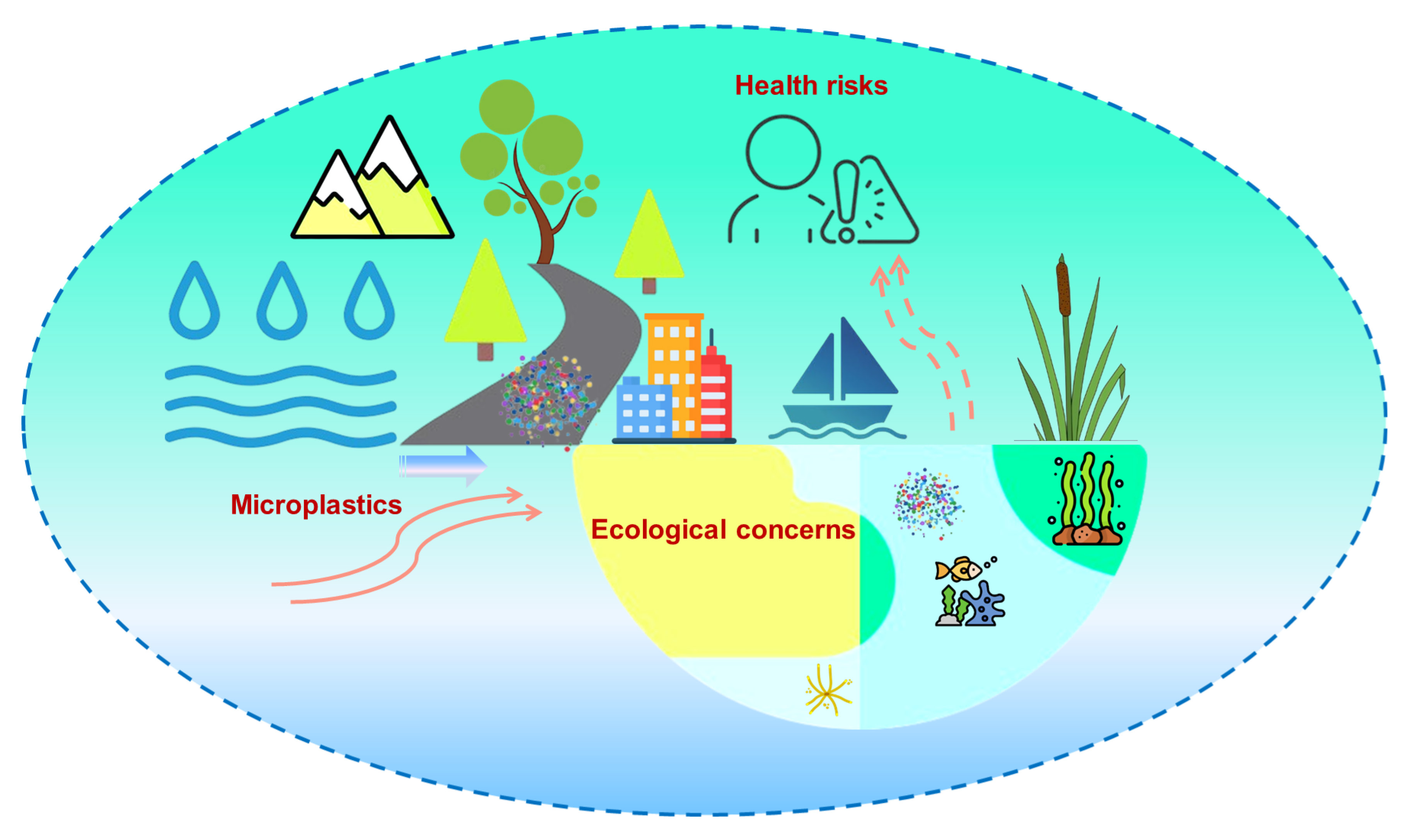
- Open AccessReview
Global Standards and Protocols for Port Aquatic Environment Assessment and Management: An Integrative Review
Jingpu Fan, Xin Yuan, Yulin Kang, Emmanuel Menyoli Molua, Linlin Wu, Shanwei Sun, Xiyu Cheng, Guangwei Wang, Changsheng Guo, Jian Xu
2026, 2(2): 266–280. doi: 10.53941/eesus.2026.100018
Download PDF26 Downloaded157 Viewed - Open AccessReview
Cyanobacteria: Can They Serve as Natural Sponges for Environmental Contaminants?
Anastasiia Bolshakova, Gaurav Bhardwaj, Khyati Joshi, Ratul Kumar Das, Satinder Kaur Brar
2026, 2(2): 250–265. doi: 10.53941/eesus.2026.100017
Download PDF30 Downloaded179 Viewed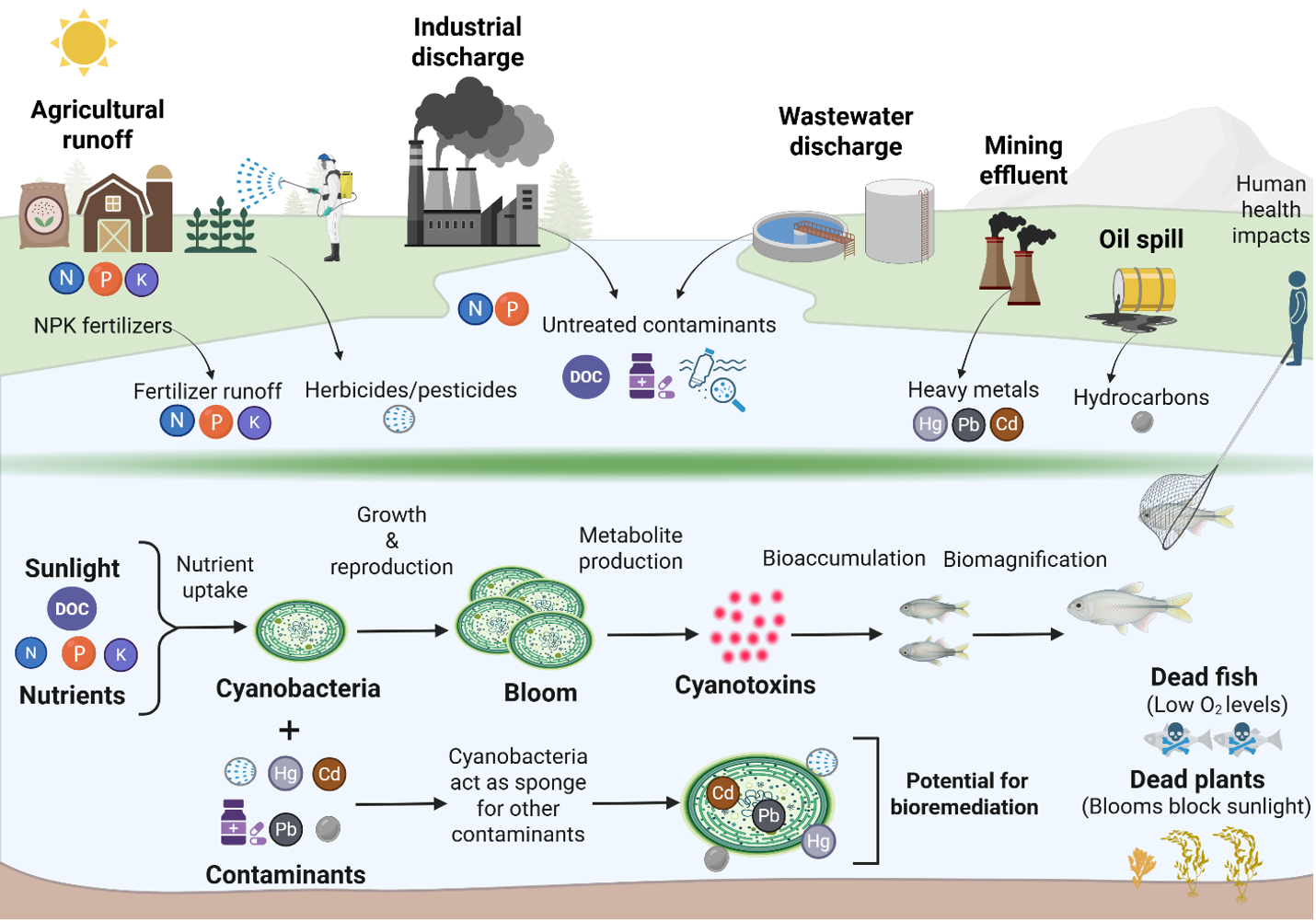
- Open AccessReview
Beyond Humans: Effects and Consequences of Illicit Drugs in the Aquatic Environment
Cristiana Roberta Multisanti, Serafina Ferrara, Giuseppe Stracuzzi, Damià Barceló, Giuseppe Piccione, Nima Shiry, Federica Impellitteri, Caterina Faggio
2026, 2(2): 231–249. doi: 10.53941/eesus.2026.100016
Download PDF31 Downloaded224 Viewed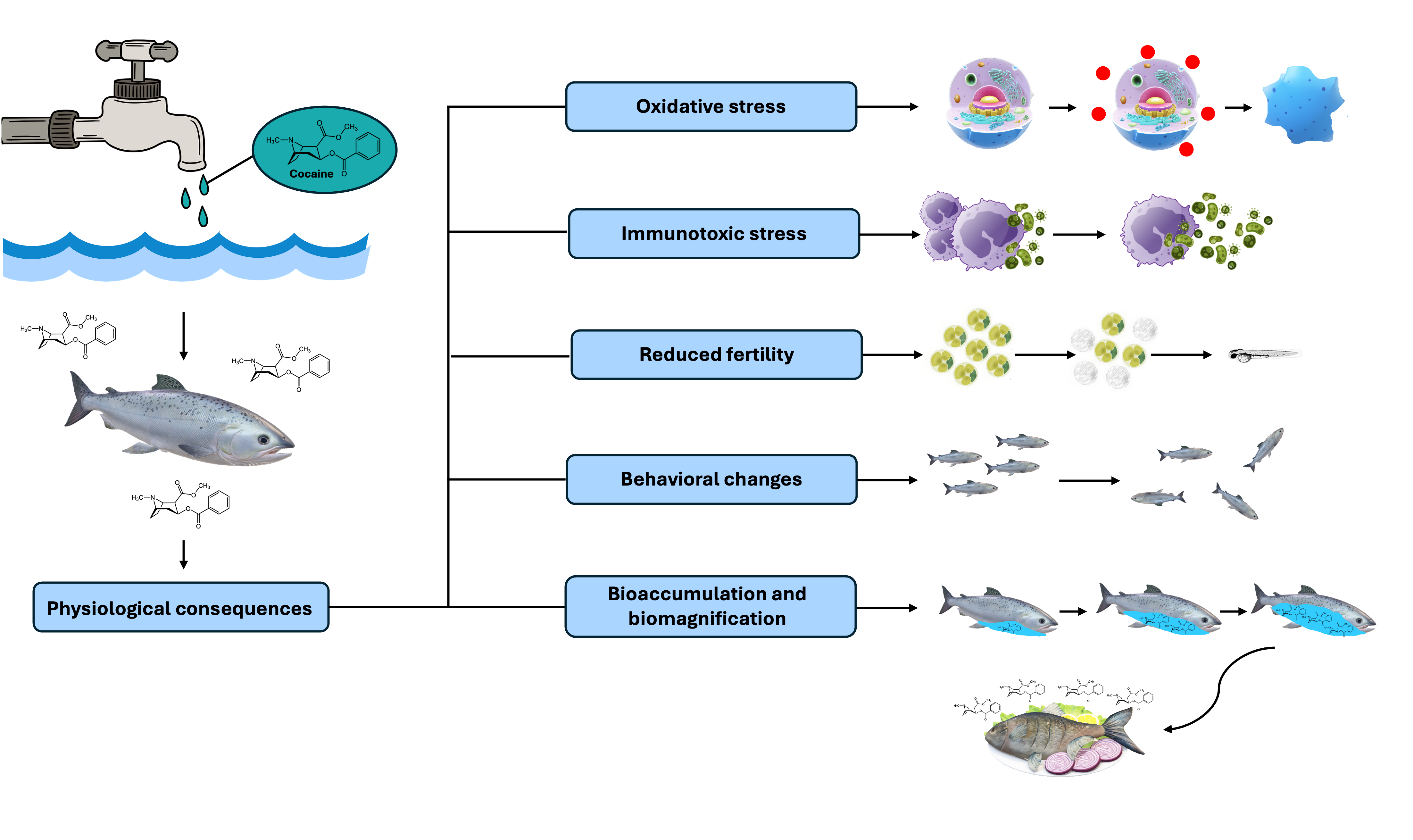
- Open AccessPerspective
Untangling the Food-Water-Soil Nexus through the Lens of Ecosystem Services and Disservices in Urban Gardens
Pham Trung Kien, Liliane Jean-Soro, Huong Le Thi Thu, Bernard De-Gouvello, Béatrice Bechet
2026, 2(2): 223–230. doi: 10.53941/eesus.2026.100015
Download PDF35 Downloaded186 Viewed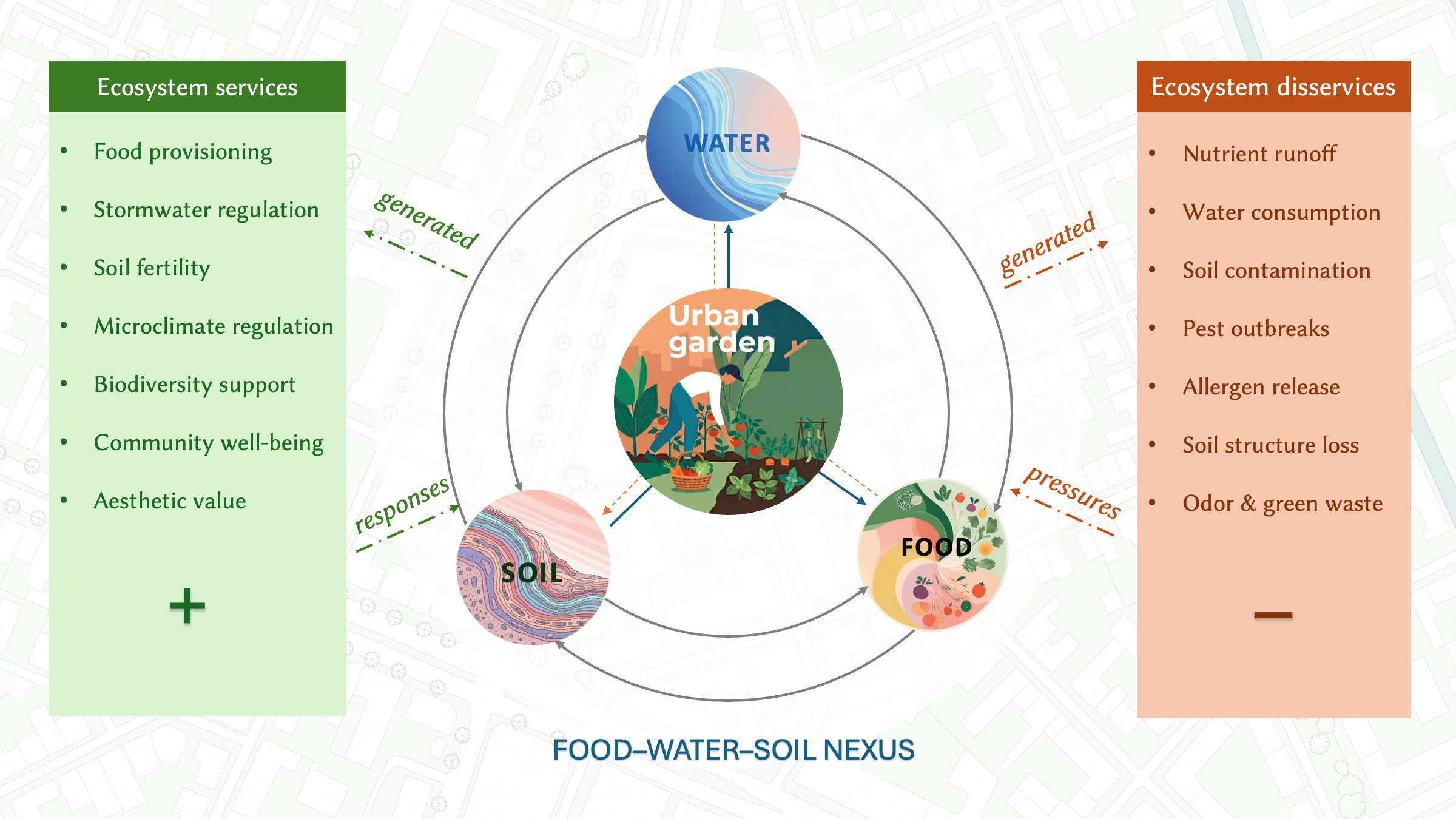
- Open AccessArticle
A Framework Model to Assess Ecosystem Functioning in Agriculture Watersheds: The Case of Córrego Rico, Brazil
Teresa Cristina Tarlé Pissarra, Anildo Monteiro Caldas, Luís Filipe Sanches Fernandes, Fernando António Leal Pacheco, Adriana Monteiro da Costa
2026, 2(2): 200–222. doi: 10.53941/eesus.2026.100014
Download PDF37 Downloaded159 Viewed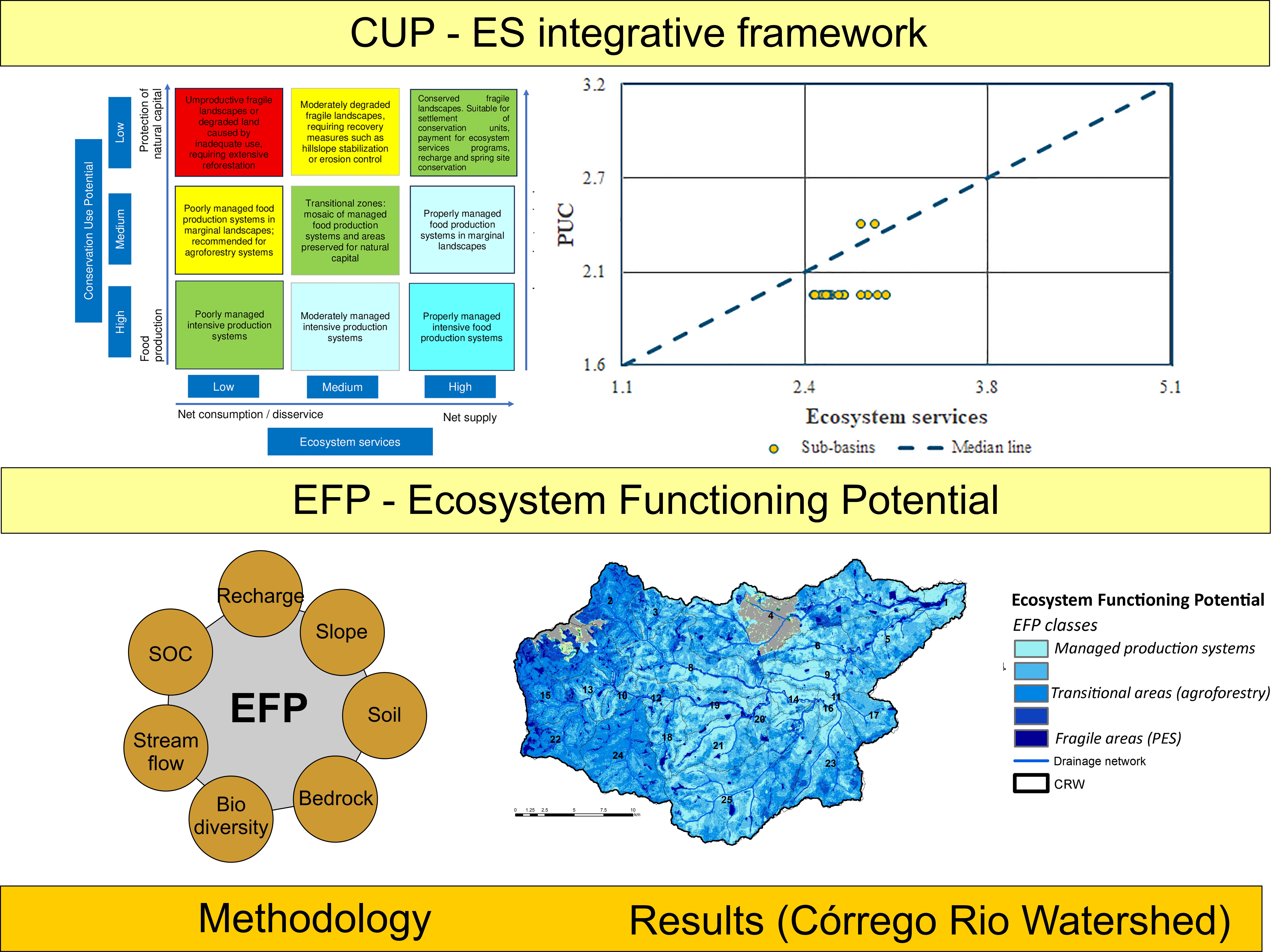
- Open AccessReview
Plastic-on-Plastic: Underestimated Contamination Risks in Micro- and Nanoplastic Research
Anna Baroni, Eugenia Romano, Sabina Pulone, Chantalle Moulton, Ennio Tasciotti
2026, 2(2): 183–199. doi: 10.53941/eesus.2026.100013
Download PDF60 Downloaded296 Viewed1 Cited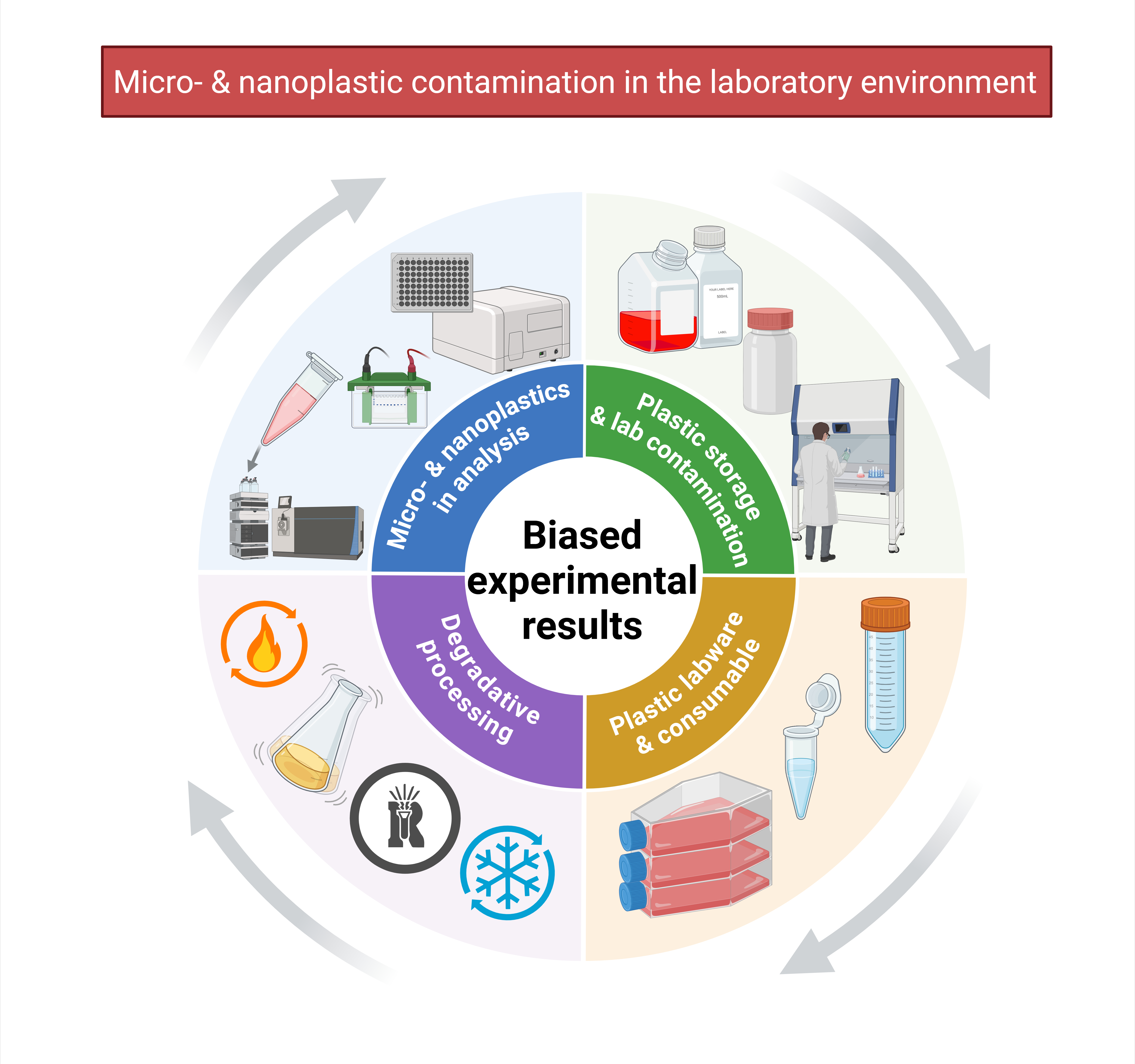
- Open AccessPerspective
Biodesalination: Can Nature Help Solve the Global Freshwater Crisis?
Clement Nyadroh, Tajalli Keshavarz, Godfrey Kyazze
2026, 2(2): 169–182. doi: 10.53941/eesus.2026.100012
Download PDF76 Downloaded332 Viewed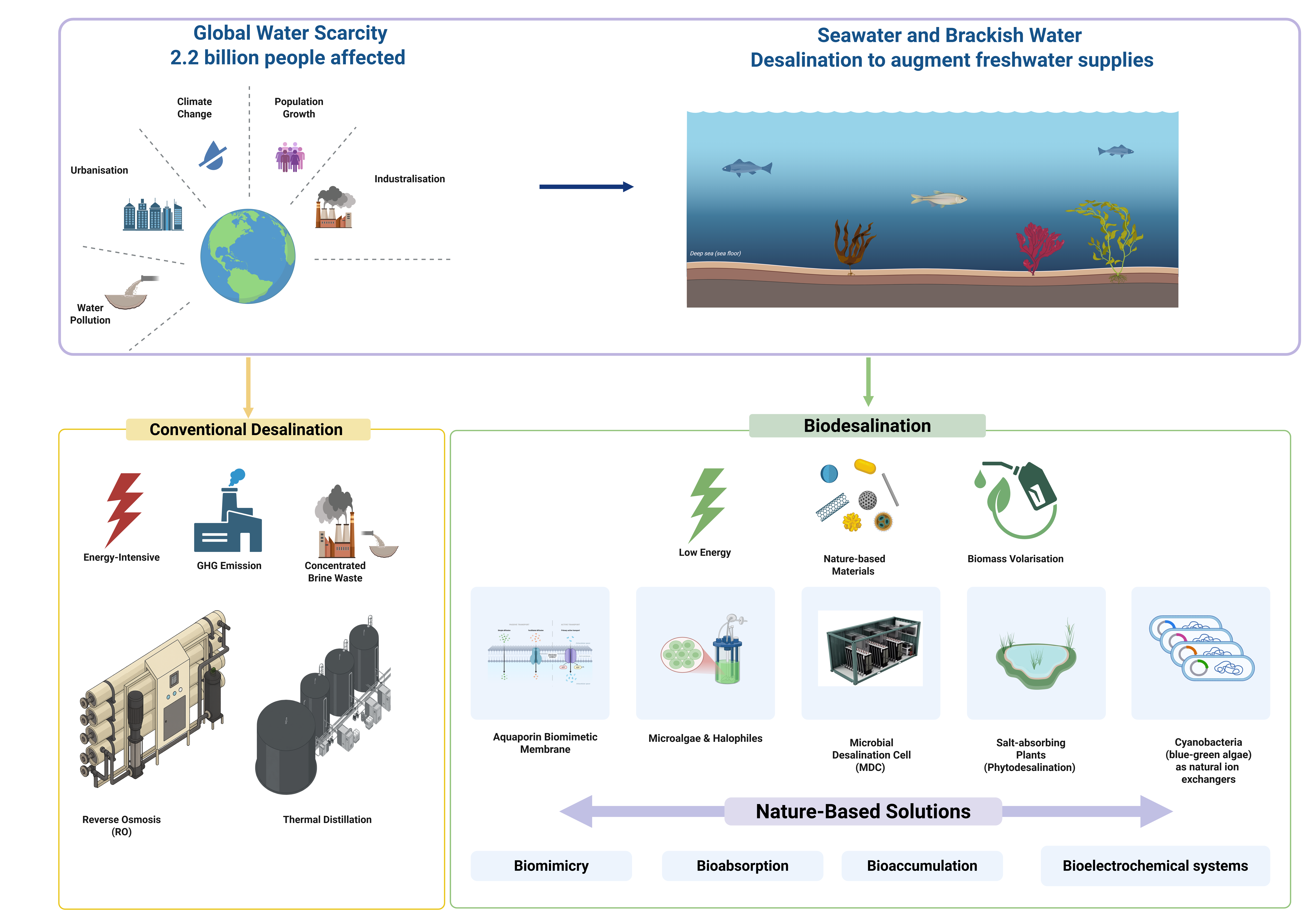
- Open AccessReview
The Legacy of Copper-Based Fungicide Use in Vineyard Soils: Accumulation, Ecotoxicity, Human Health Risks, and Sustainable Remediation
Marija Poljak, Ivica Kisić, Monika Zovko, Milan Mesić, Aleksandra Perčin
2026, 2(2): 154–168. doi: 10.53941/eesus.2026.100011
Download PDF59 Downloaded437 Viewed1 Cited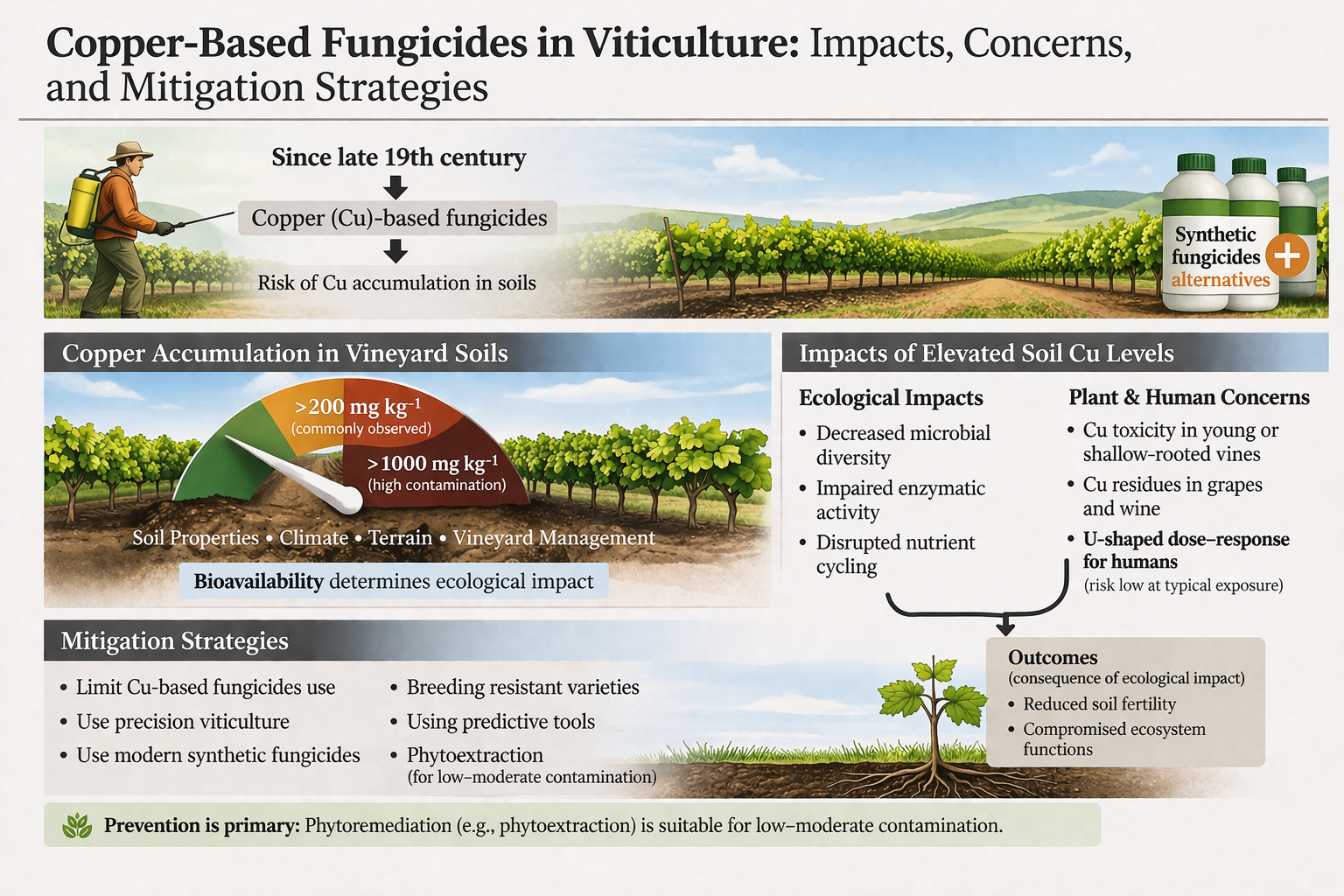
Announcements
More
Earth: Environmental Sustainability (EESUS) is Announced as the Official Collaborating Journal of the Global Forum on Earth Science, Climate Change & Sustainability (EARTHCLIMATEFORUM2026)
04 March
Earth: Environmental Sustainability (EESUS) is Announced as the Official Collaborating Journal of the World Green Chemistry & Environmental Engineering Summit
19 September
