
Volume 2, Issue 2 - 2026
-
 Cover
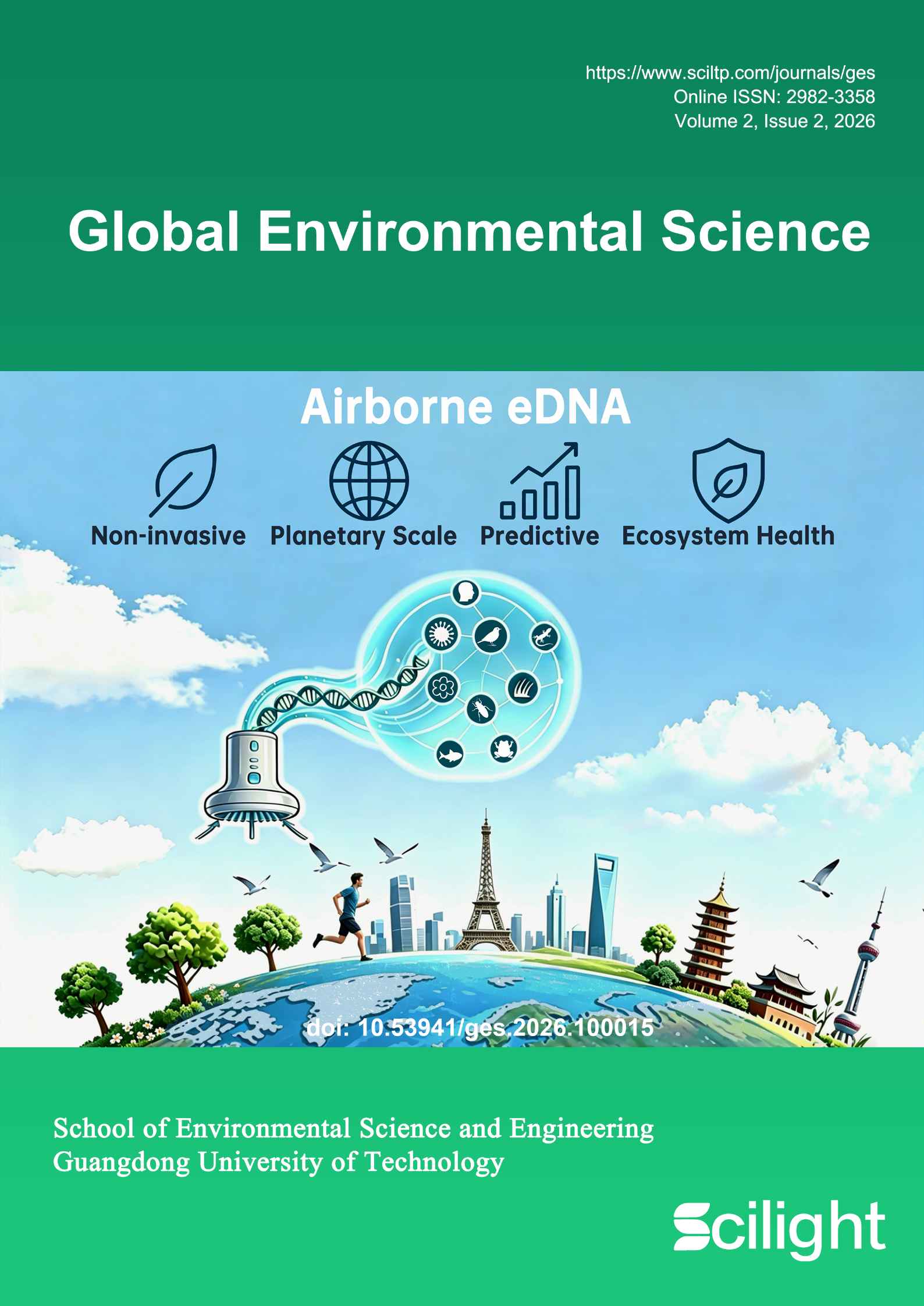
CoverCover story: Airborne environmental DNA (eDNA) is an emerging non-invasive approach for biodiversity monitoring at global scales. By integrating standardized sampling and multi-omics sequencing, this approach can capture genetic material from a wide range of taxa, from viruses and microorganisms to vertebrates, using a single air sample, enabling characterization of spatiotemporal distribution patterns across taxa. Satellite remote sensing and artificial intelligence (AI) further extend the capacity of monitoring systems spanning urban and natural ecosystems. Coupled with environmental and land-use data, and machine learning-based analysis, this framework enables assessment of pathogen transmission risks and investigation of community assembly and succession patterns, providing insights into ecosystem health.
-
 Back Cover
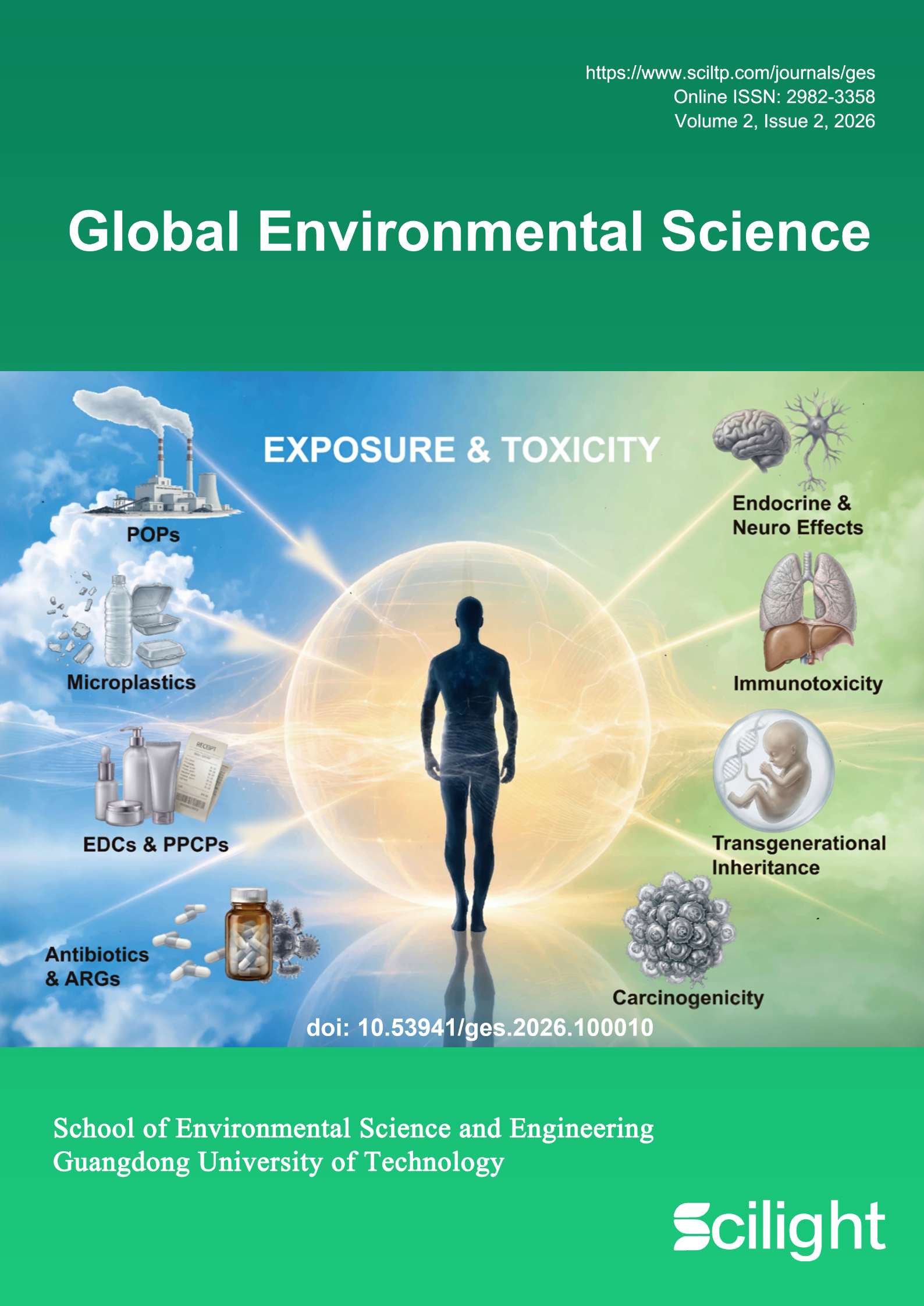
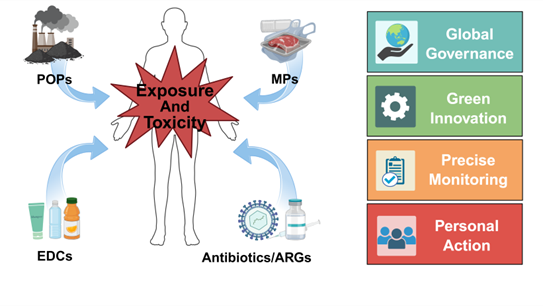
Back cover story: Emerging contaminants, including microplastics, persistent organic pollutants, endocrine-disrupting chemicals, and antibiotics, enter the human body through multiple exposure pathways such as ingestion, inhalation, dermal contact, and maternal transfer. These pollutants exert systemic and long-term health effects, including endocrine disruption, neurotoxicity, immunotoxicity, and transgenerational impacts. This graphic illustrates the complex pathways and integrated health risks associated with low-dose, chronic exposure to emerging contaminants.
Zhou, Y.; Yang, X.; Zhang, Y.; et al. Exposure to Emerging Contaminants and Health Effects: A Stealthy Health Challenge. Glob. Environ. Sci. 2026, 2 (2), 128–144.
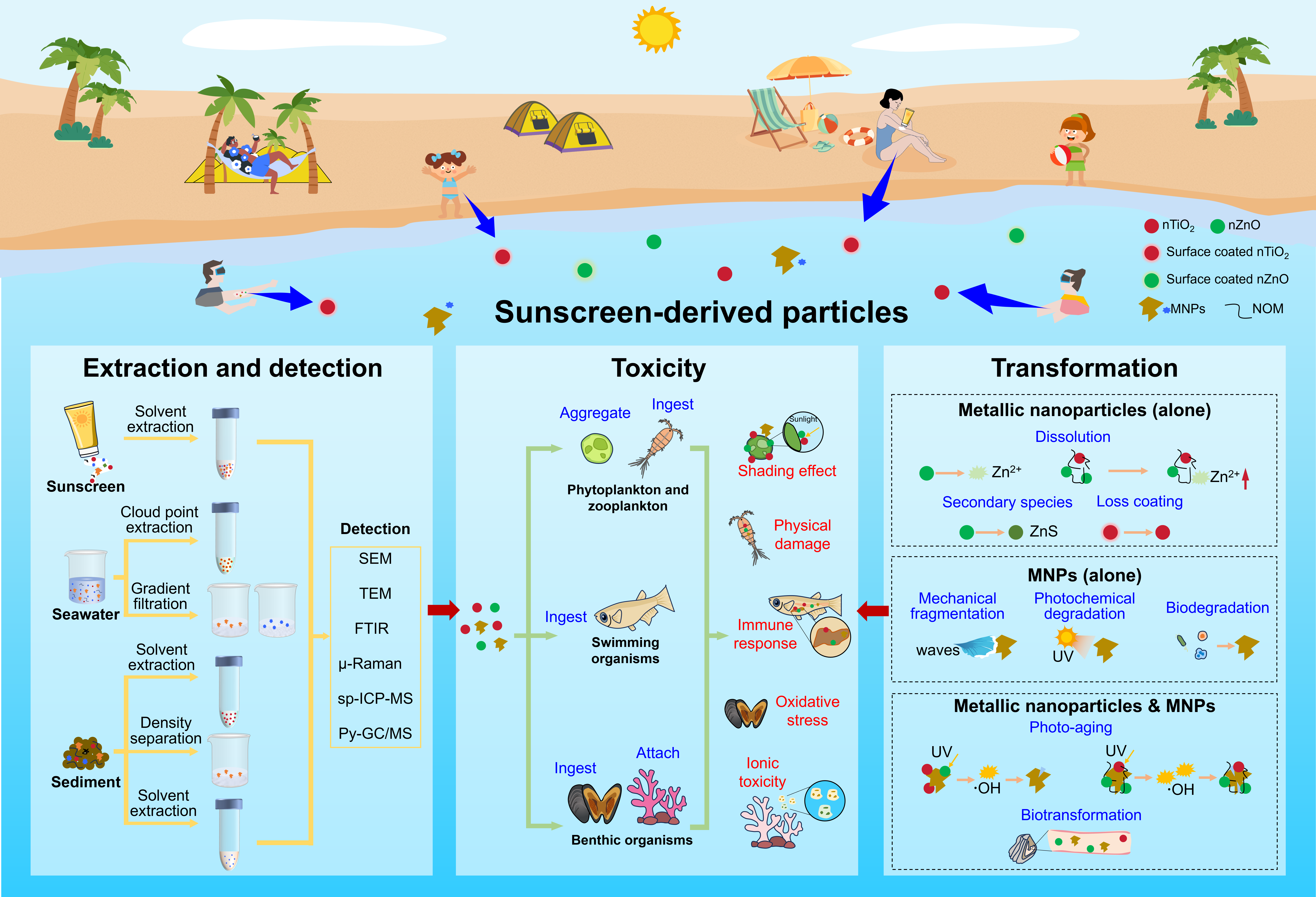
Occurrence and Ecological Risk of Sunscreen-Derived Metallic and Plastic Particles in Marine Environments
Jiale Wang, Ruyi Lan, Ping Wang, Zhuomiao Liu, Ziyi Wang, Mengyao Tao, Meng Wang, Jian Zhao
2026, 2(2): 230-250. doi: 10.53941/ges.2026.100016
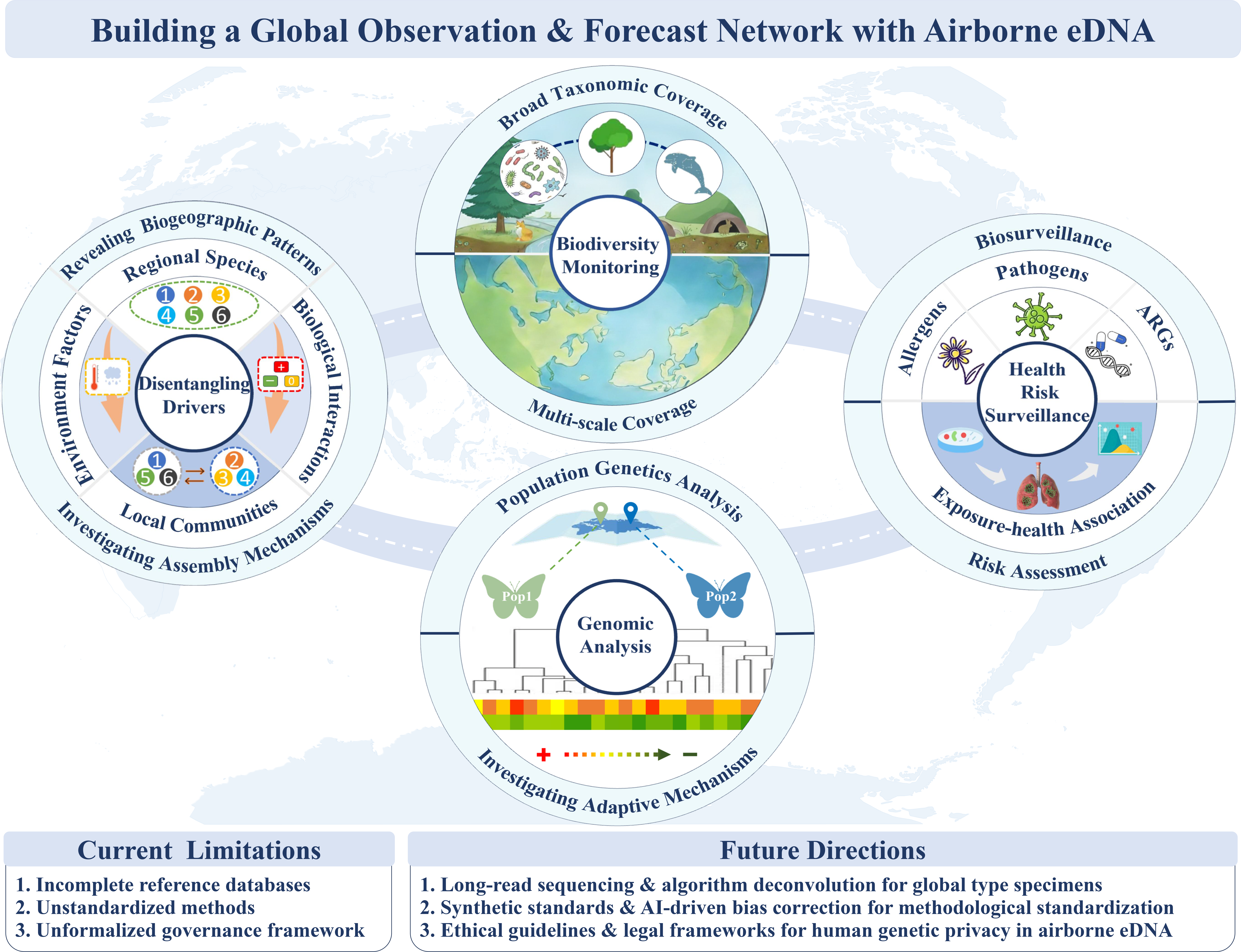
Atmospheric Environmental DNA: Integrating Biodiversity Monitoring with Global Ecological Forecasting
Xiaoping Wang, Guanhua Wang, Zihao Sun
2026, 2(2): 224-229. doi: 10.53941/ges.2026.100015
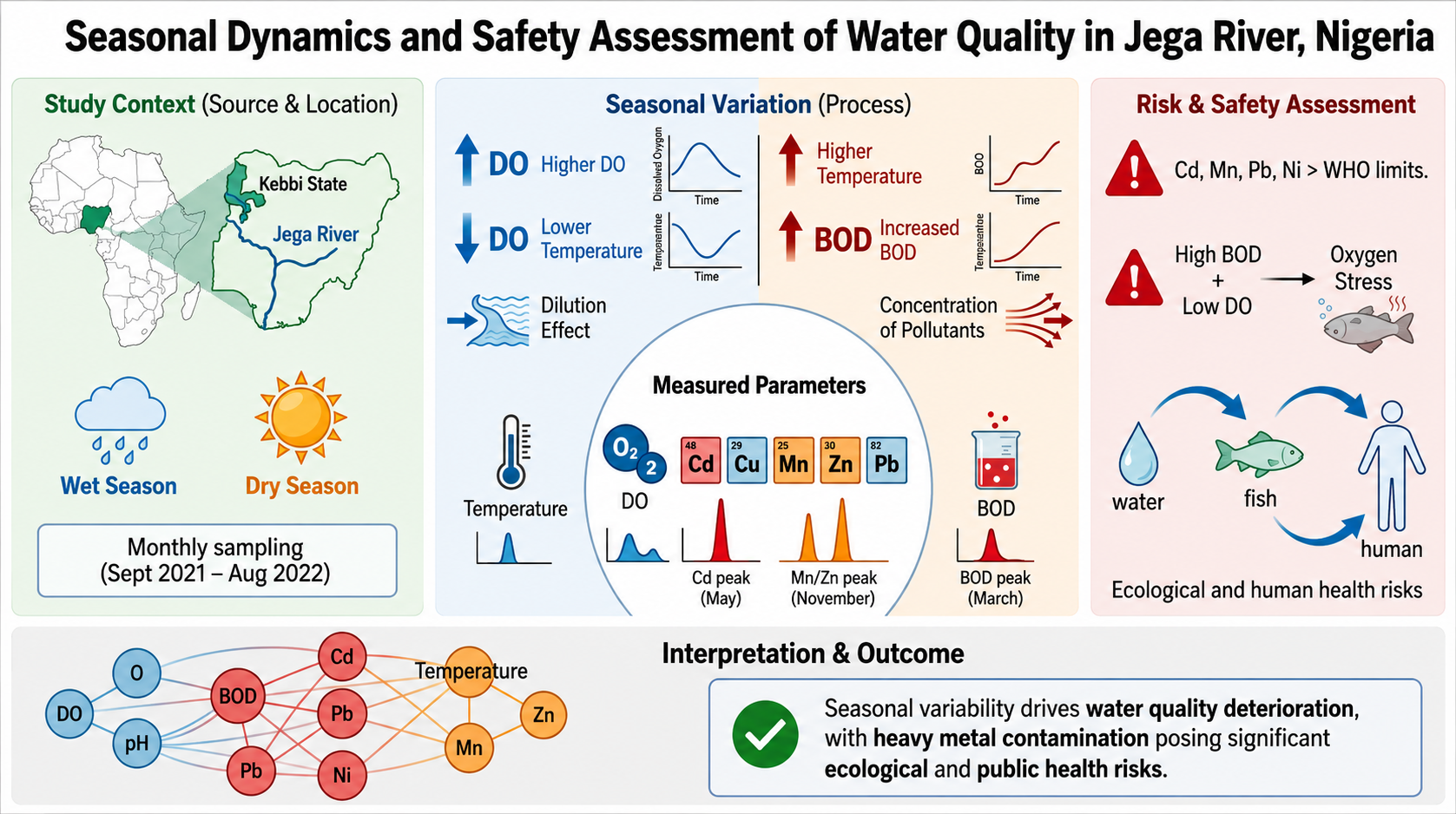
Seasonal Dynamics and Safety Assessment of Physicochemical and Heavy Metal Parameters in Jega River, Kebbi State, Nigeria
Abubakar Isah, Israel Obaroh, Sani Abdulrahman, Tajudeen Yahaya
2026, 2(2): 208-223. doi: 10.53941/ges.2026.100014
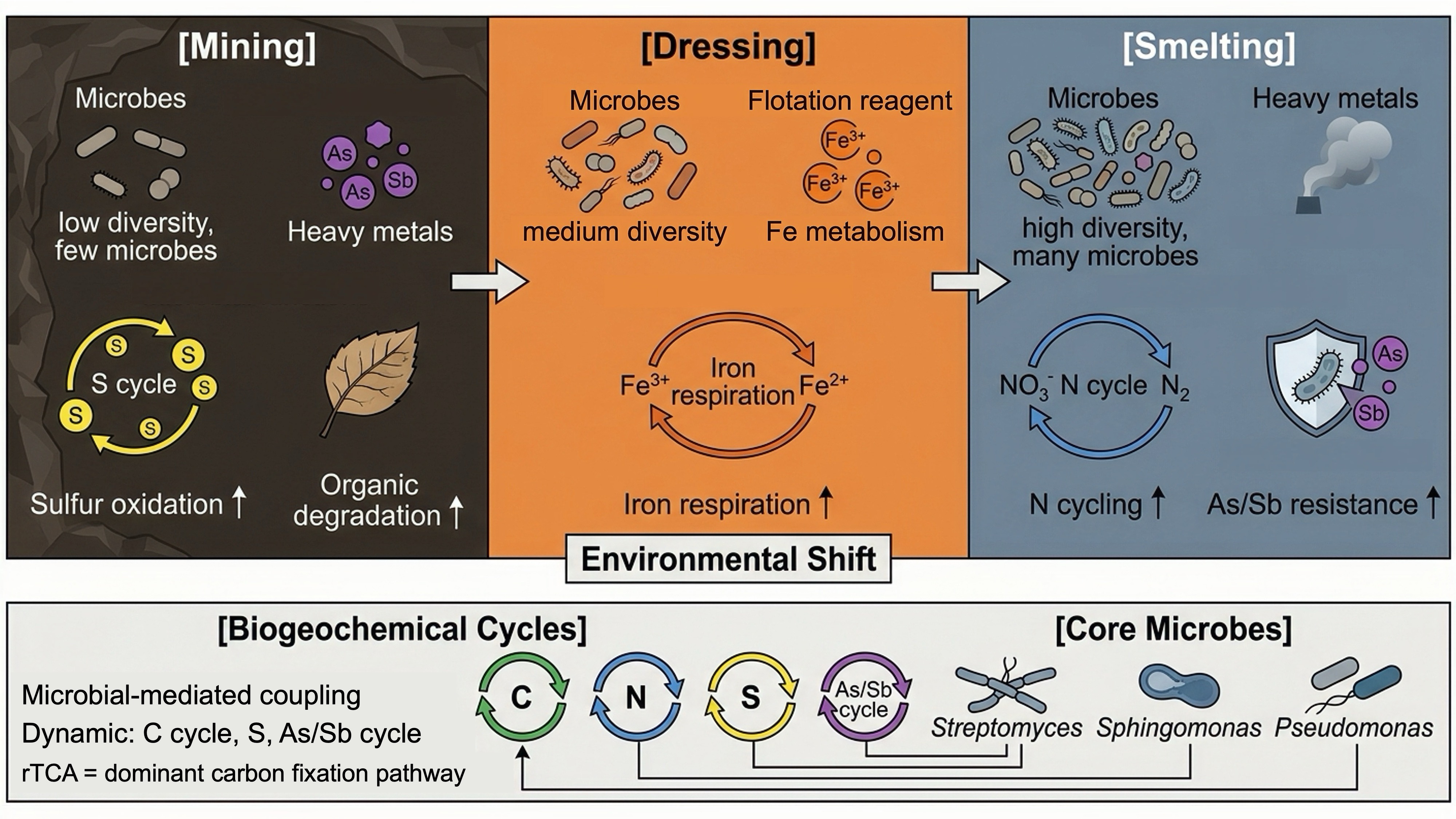
Microbial Response to Mining, Dressing and Smelting Activities in Antimony-Mining Area: Insights into C, N, S and As Cycling
Weisong Pan, Boyan Zhang, Chuan Wu, Yayuan Huang, Xiaoran Xiong, Yahui Wu, Tsang Po Keung, Waichin Li
2026, 2(2): 193-207. doi: 10.53941/ges.2026.100013
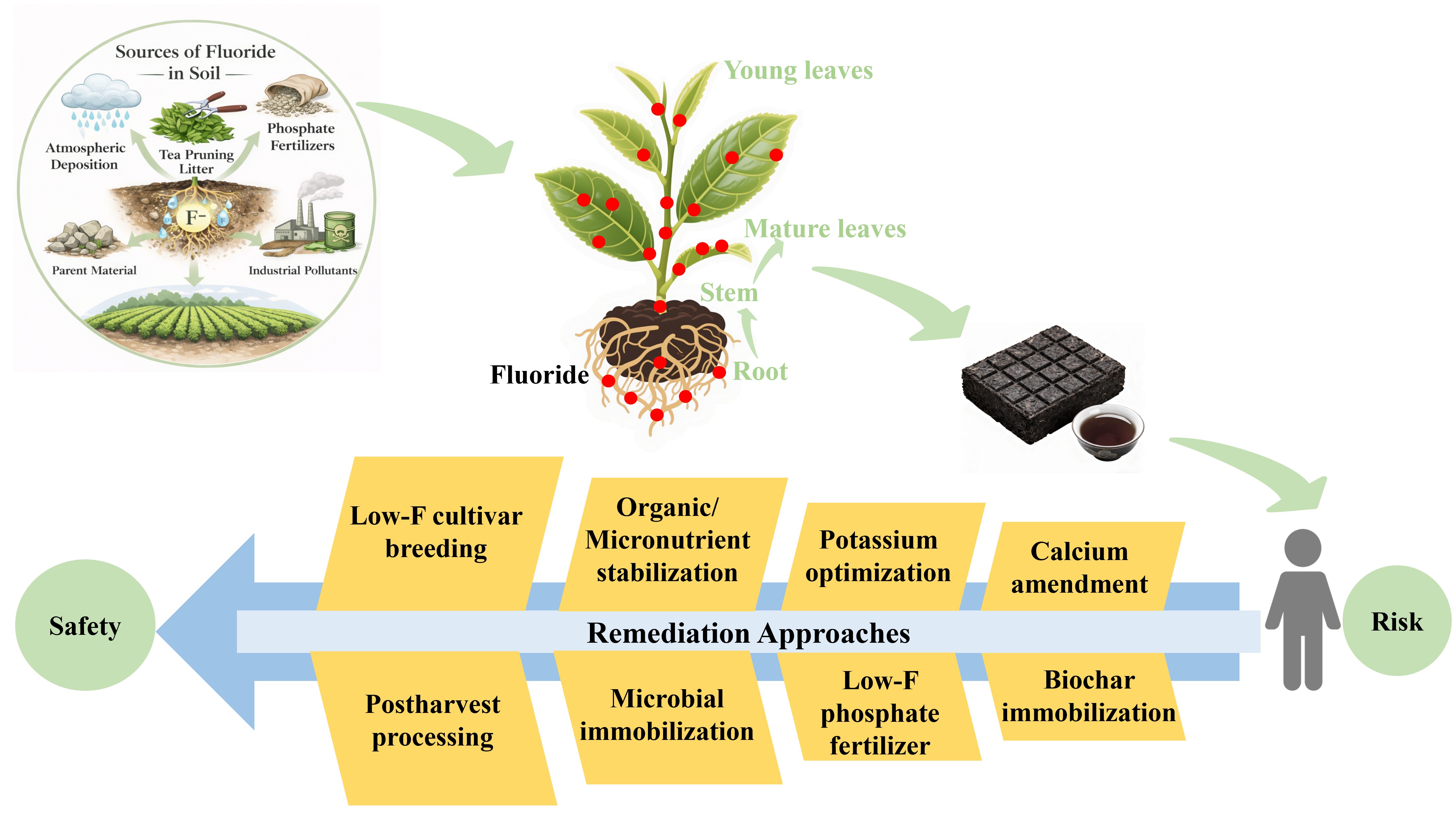
Fluoride Accumulation in Tea Plants: Soil-Plant Interactions, Health Risks and Mitigation Strategies
Xin Wang, Jiali Tian, Nayab Gull, Imran Ahammad Siddique, Yizhi Zhou, You Li, Chengwen Shen, Minghan Wang, Huaqin Xu, Yi Xu
2026, 2(2): 172-192. doi: 10.53941/ges.2026.100012
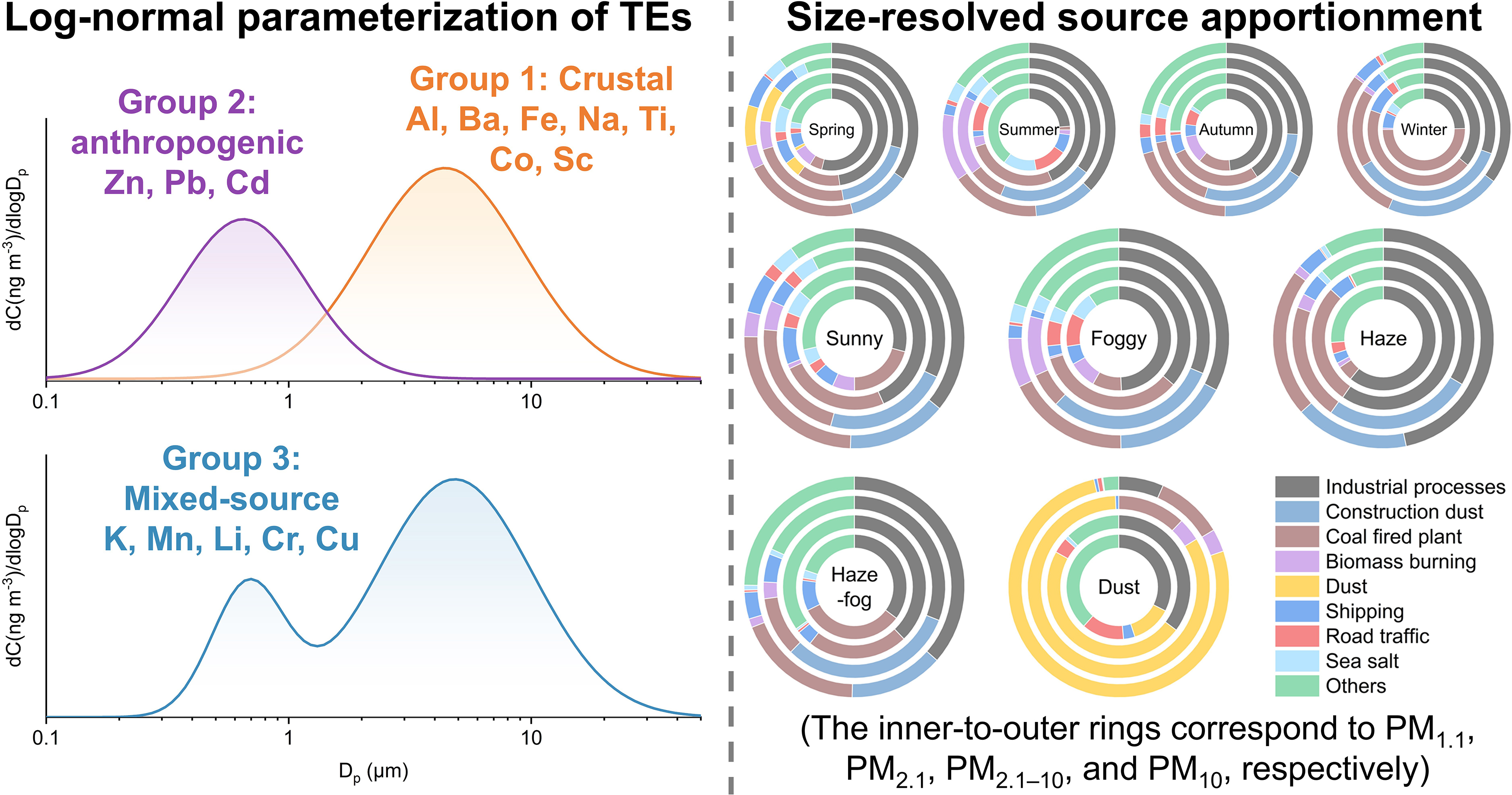
Size Distribution and Source Apportionment of Trace Metal Elements in the Atmospheric Aerosols in a Coastal City, Northern China
Ziyan Xi, Jianhua Qi, Yuanzhe Ni, Zengjie Zuo, Xuehui Lin
2026, 2(2): 145-171. doi: 10.53941/ges.2026.100011
Exposure to Emerging Contaminants and Health Effects: A Stealthy Health Challenge
Yinfeng Zhou, Xiang Yang, Yuan Zhang, Jun Ouyang, Yan Xia, Yingxin Yu
2026, 2(2): 128-144. doi: 10.53941/ges.2026.100010
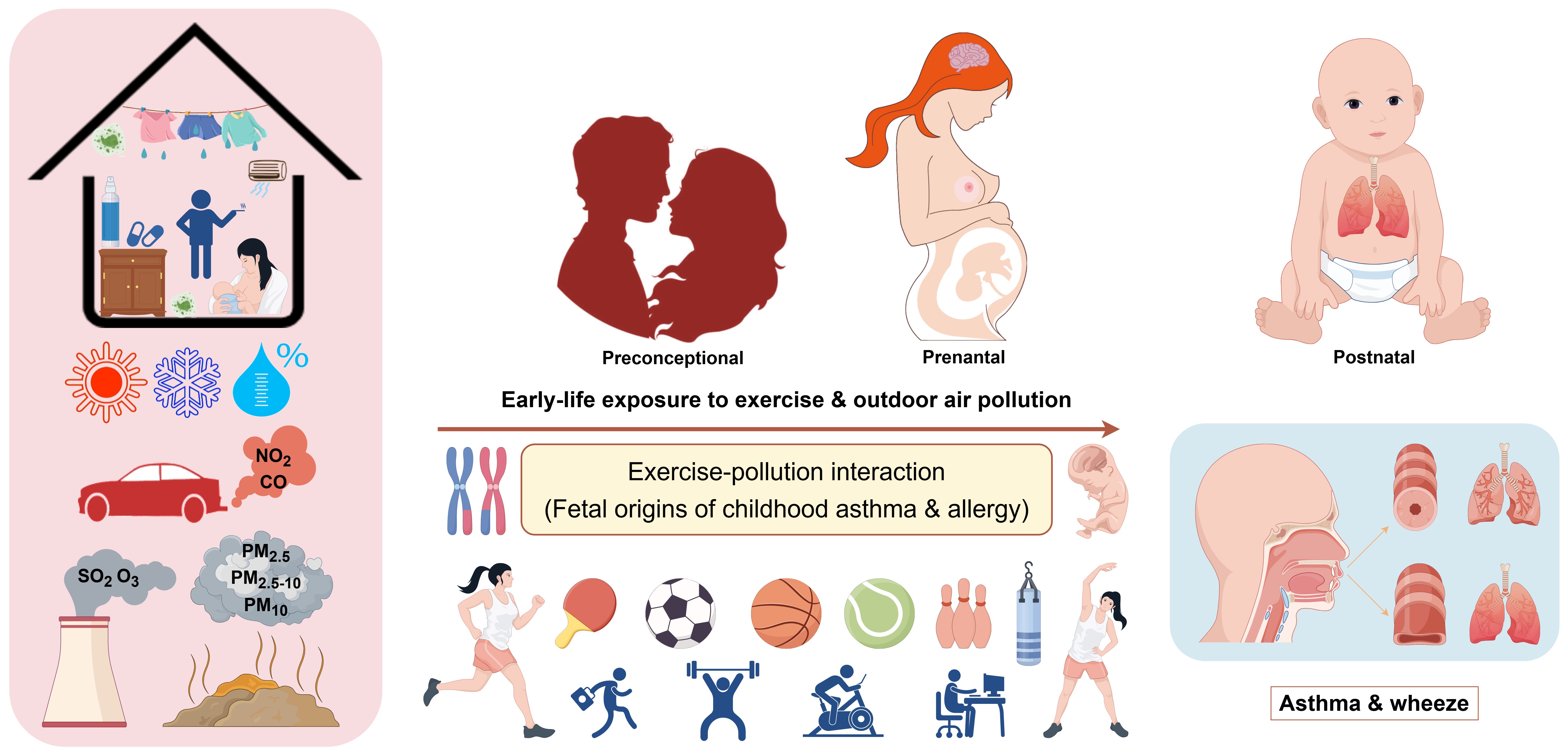
Combined Effects of Parental and Childhood Physical Activity and Air Pollution on Childhood Asthma and Wheezing
Chan Lu, Yuanqi Li, Zhangxiong Guo, Xianglong Xiao, Lin Wang, Wenying Sun, Zipeng Qiao
2026, 2(2): 107-127. doi: 10.53941/ges.2026.100009

 Suite 4002 Level 4, 447 Collins Street, Melbourne, Victoria 3000, Australia
 General Inquiries: info@sciltp.com