
Photocatalysis
Editor-in-Chief: Prof. Hermenegildo García Gómez, Universidad Politécnica de Valencia, Spain.
Photocatalysis as a scientific journal aims to serve to the research community by promoting the advance in the understanding, materials, processes, applications, and technological development of photocatalysis as a field. More
Articles
- Latest
- Most Viewed
- Most Downloaded
- Most Cited
- Open AccessArticle
Pt-Loaded Z-Scheme g-C3N4/Bi4Ti3O12 Heterostructure for Enhanced Photocatalytic H2 Evolution
Poonam Chaturvedi, Valérie Keller, Tapas Kumar Mandal
2026, 2(3): 9. doi: 10.53941/photocatalysis.2026.100009
Download PDF41 Downloaded146 Viewed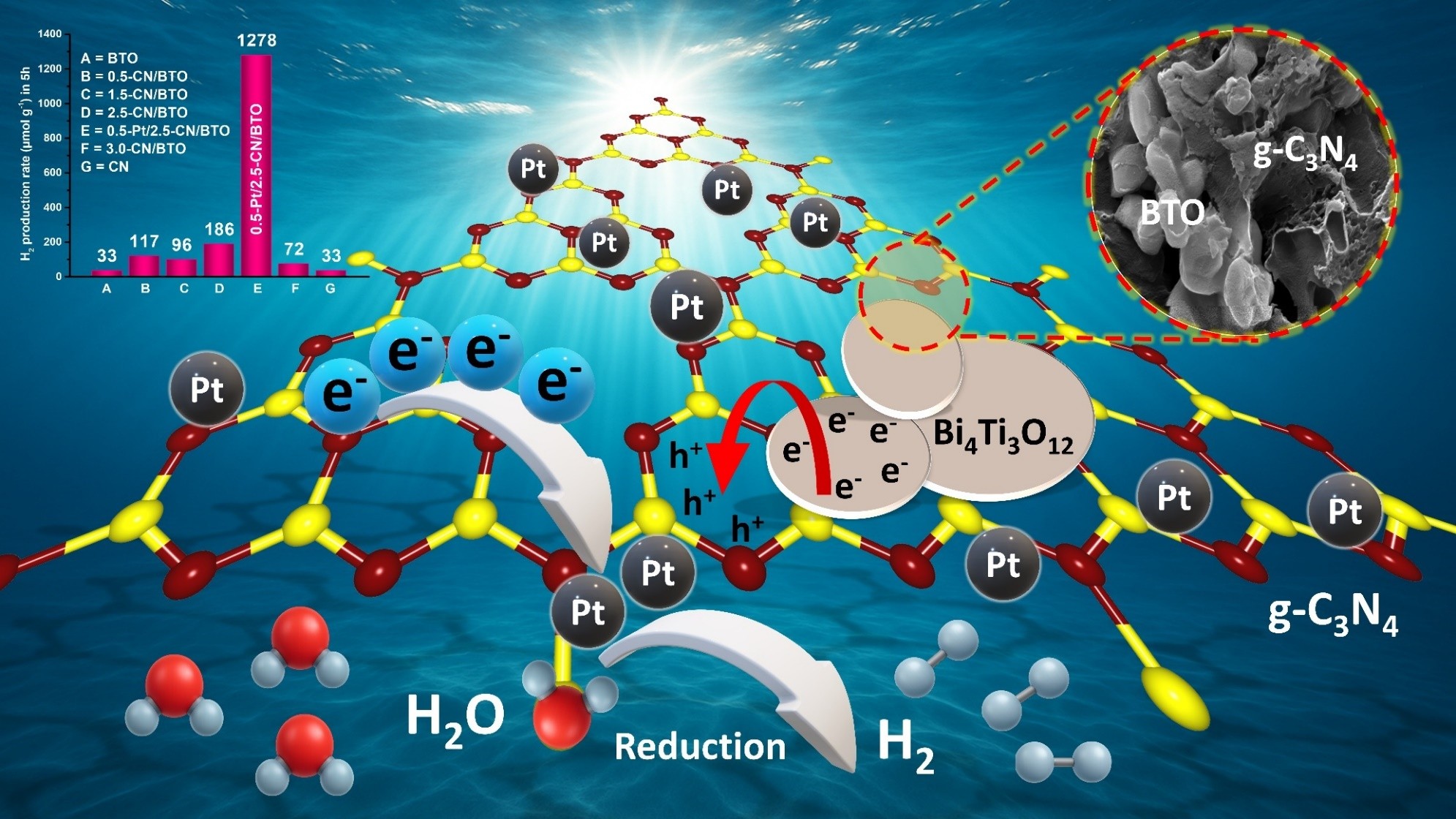
- Open AccessArticle
Photochemical Atmospheric CO2 Capture and Accumulation in Hydrolyzed Zirconium–Indole Systems
Gregory G. Arzoumanidis, Michail S. Paraskevas
2026, 2(3): 8. doi: 10.53941/photocatalysis.2026.100008
Download PDF14 Downloaded65 Viewed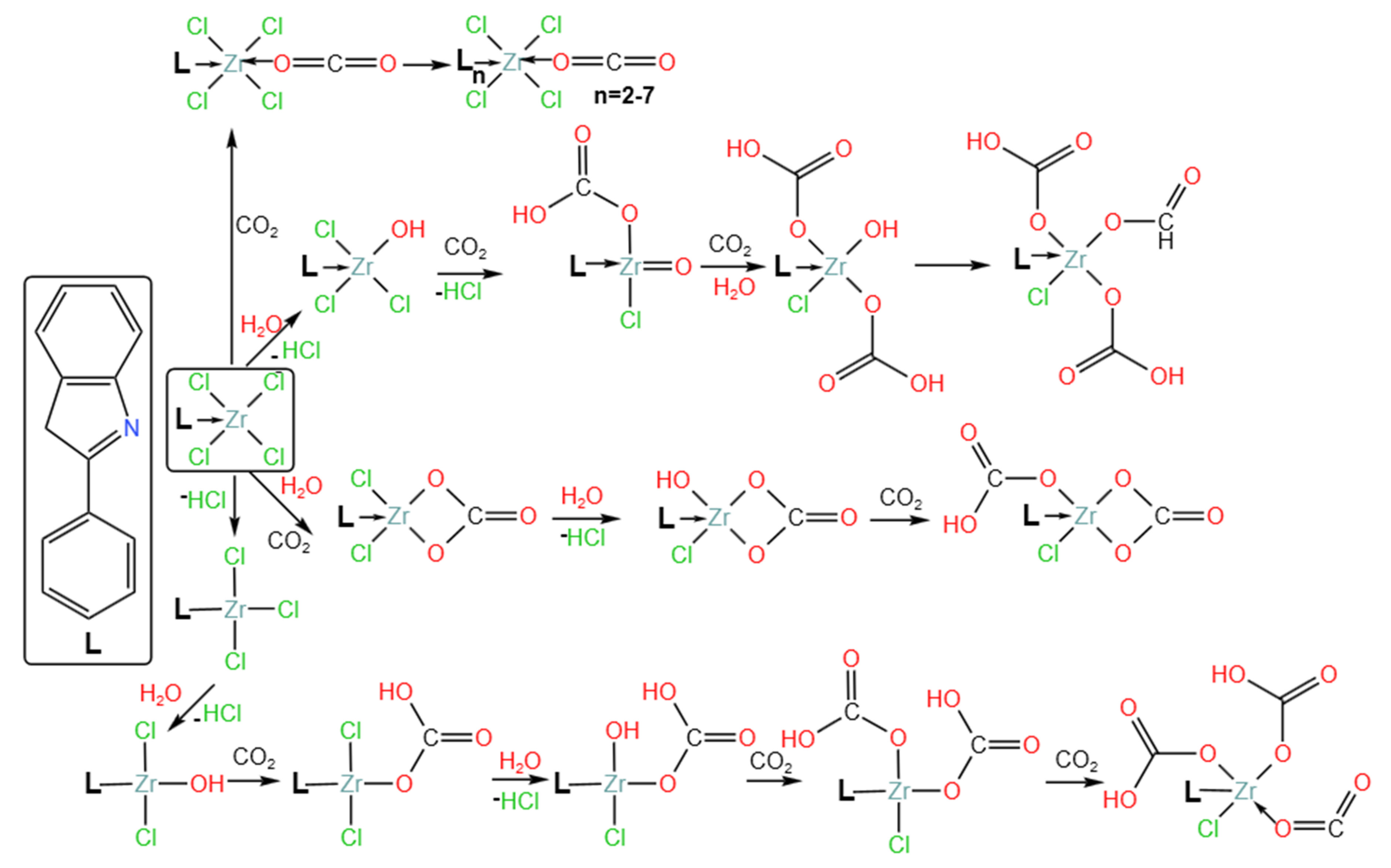
- Open AccessArticle
Coupled Light-Driven p-Xylene Oxidation and H2O2 Production with Organic Photocatalysts in Propylene Carbonate
Tao Wu, Arianna Gentilin, Federico Droghetti, Luca Morhart, Luka Ðorđević, Mirco Natali, Andrea Sartorel
2026, 2(3): 7. doi: 10.53941/photocatalysis.2026.100007
Download PDF54 Downloaded295 Viewed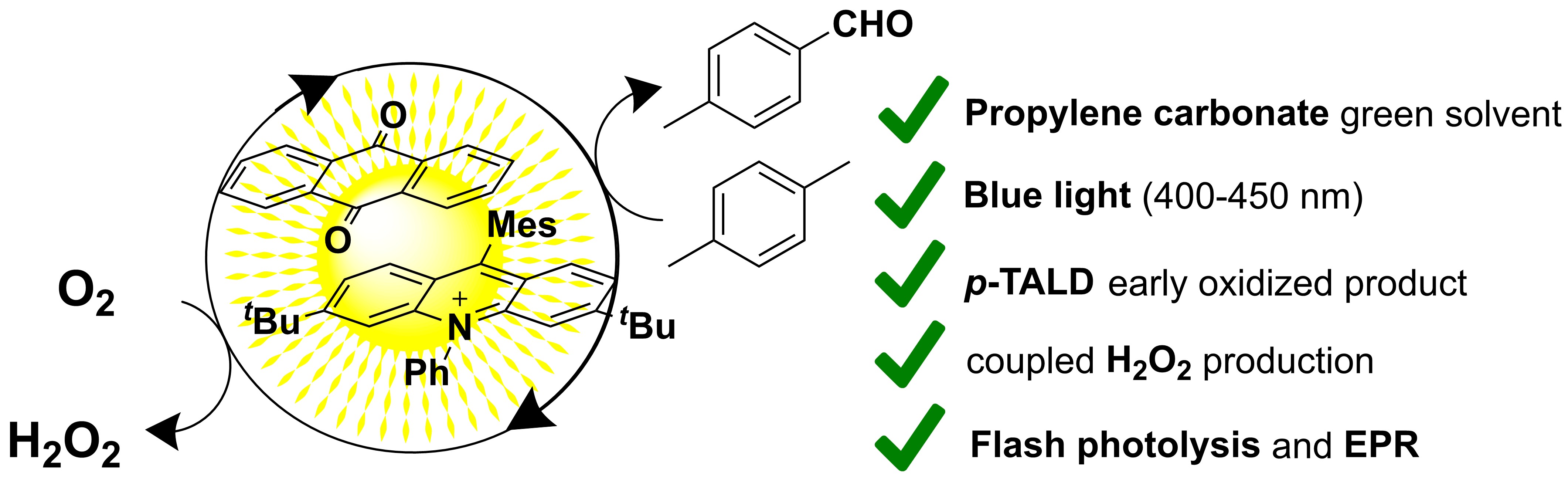
- Open AccessArticle
Enhanced Hydrogen Production by Photoreforming on C3N4 Adjusting Exfoliation and Platinum Co-Catalyst Dispersity
Laura C. Valencia-Valero, Habiba Khiar, Noureddine Barka, Marta Giamberini, Alberto Puga
2026, 2(2): 6. doi: 10.53941/photocatalysis.2026.100006
Download PDF69 Downloaded280 Viewed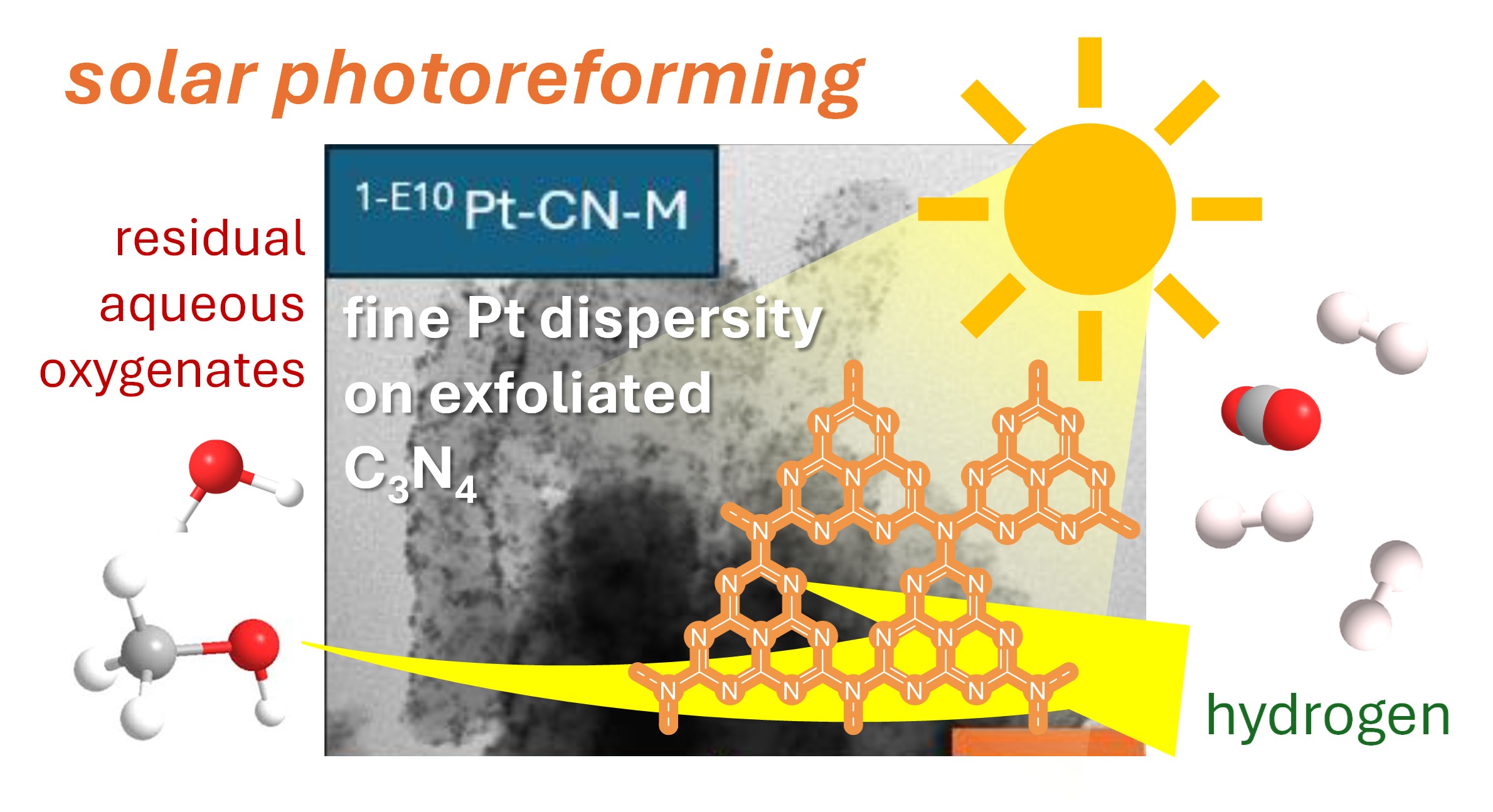
- Open AccessPerspective
MXenes in Photocatalysis: Emerging 2D Nanomaterials as Co-Catalysts, Heterojunction Engineering and Photothermal Enhancement
Gustavo Henrique Correia dos Santos, Hermenegildo García, Ana Primo
2026, 2(2): 5. doi: 10.53941/photocatalysis.2026.100005
Download PDF92 Downloaded486 Viewed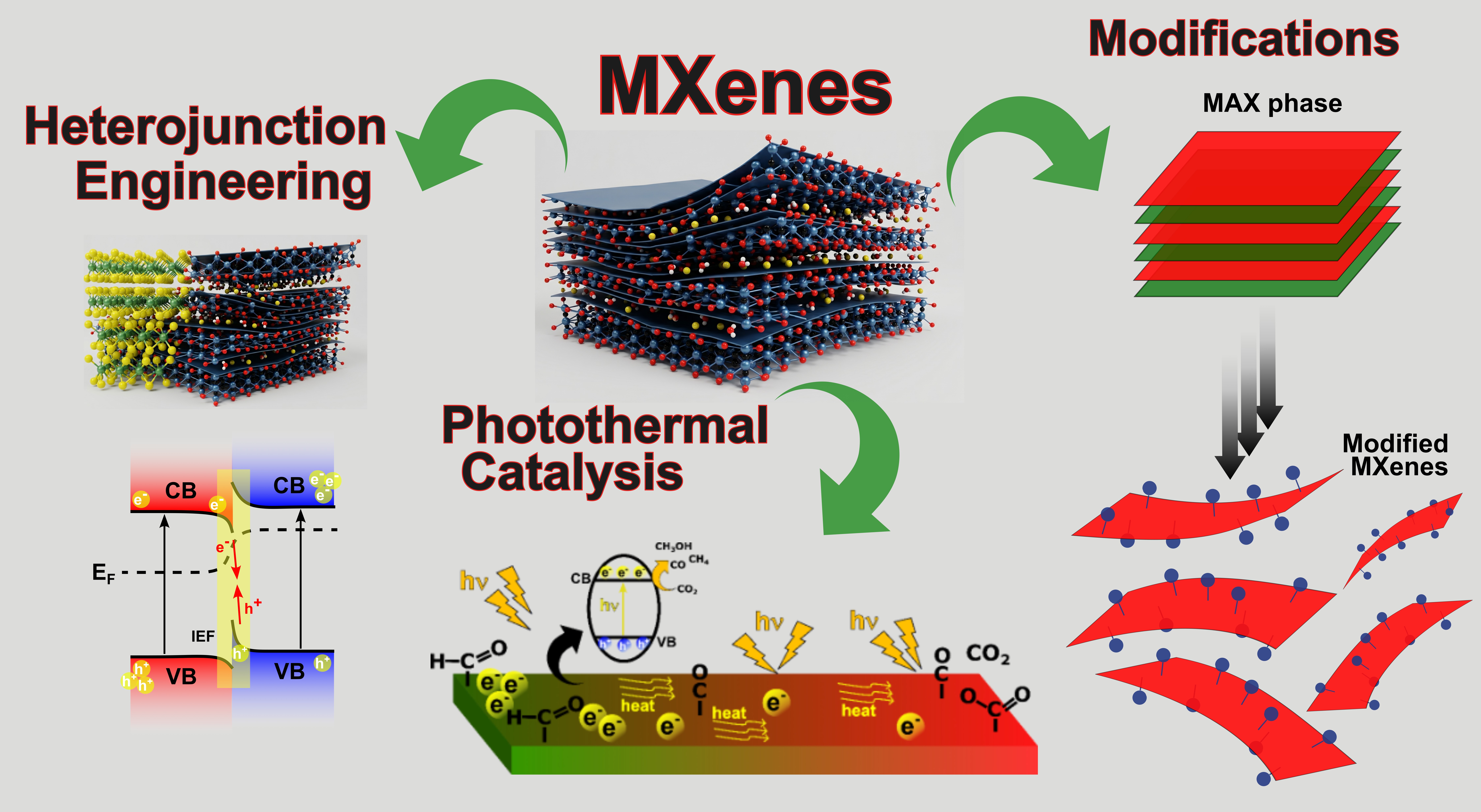
- Open AccessOpinion
Defining Key Performing Indicators for Economically Feasible H2O2 Production by Means of Photocatalysis
Oleksandr Savateev, Chong Wang, Zirui You, Zhongxin Chen
2026, 2(2): 4. doi: 10.53941/photocatalysis.2026.100004
Download PDF66 Downloaded322 Viewed - Open AccessReview
Two-Dimensional Layered Materials in Photoelectrocatalysis: A Review on Energy Conversion and Environmental Remediation
Penghui Xu, Hao Niu, Yuanping He, Yongfang Sun, Qiuhong Sun, Yang Li, Xiao-Jue Bai, Yung-Kang Peng, Tongjun Bao, Yanli Liang, Deqiang Feng, Ce Zhang, Yufei Zhao
2026, 2(1): 3. doi: 10.53941/photocatalysis.2026.100003
Download PDF95 Downloaded509 Viewed1 Cited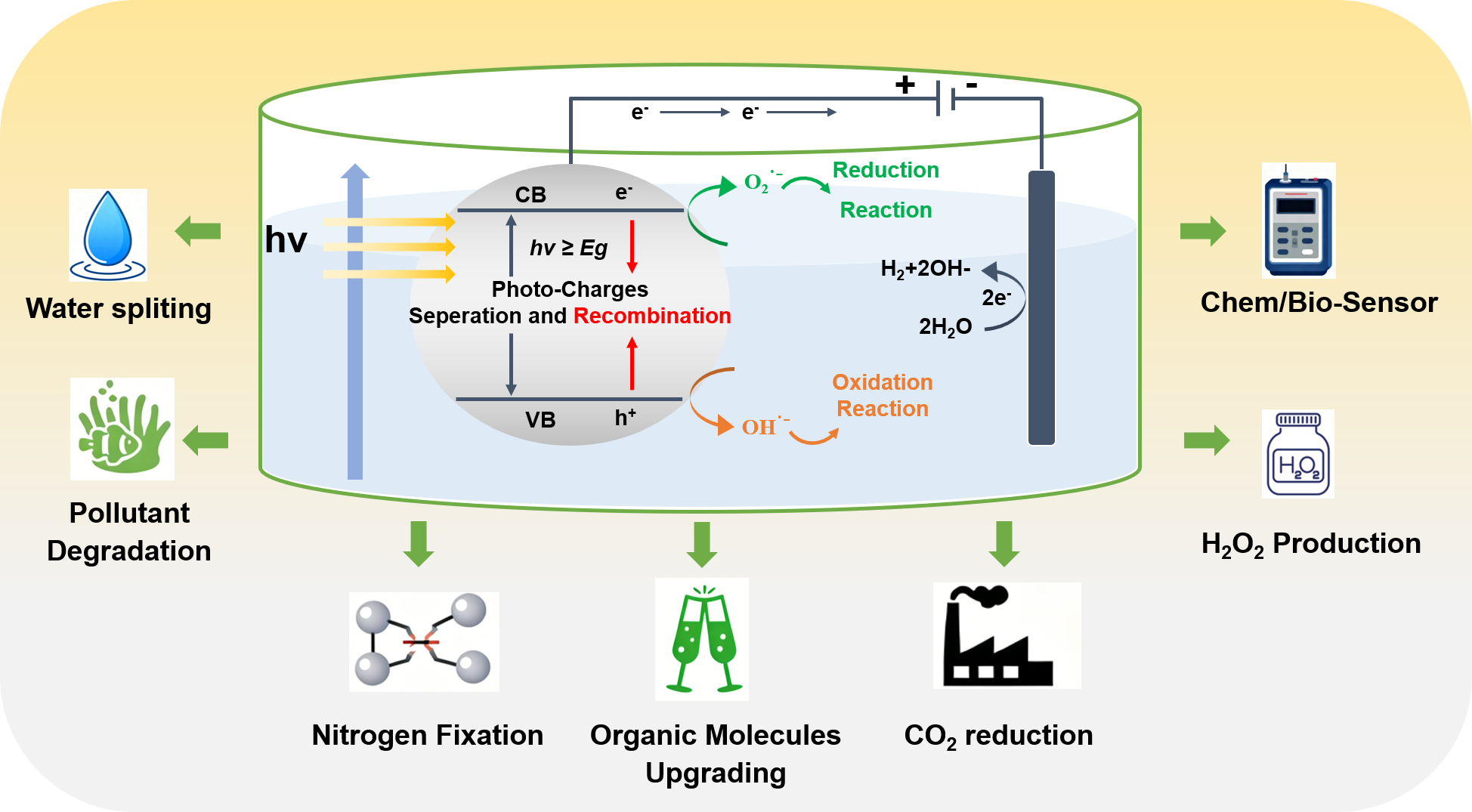
- Open AccessArticlePhotocatalytic Hydrogen Generation over Natural Sepiolite and Palygorskite
Patrik Kopčan, Alexandr Martaus, Kamila Kočí
2026, 2(1): 2. doi: 10.53941/photocatalysis.2026.100002
Download PDF86 Downloaded292 Viewed - Open AccessArticle
Metal-Free Conjugated Polyphenothiazine Nanostructures as Visible Light Active Photocatalyst for Selective Aerobic Oxidation of Sulfides
Rituporn Gogoi, Swadhin Kumar Jena, Astha Singh, Kajal Sharma, Rajesh Kumar, Prem Felix Siril
2026, 2(1): 1. doi: 10.53941/photocatalysis.2026.100001
Download PDF112 Downloaded667 Viewed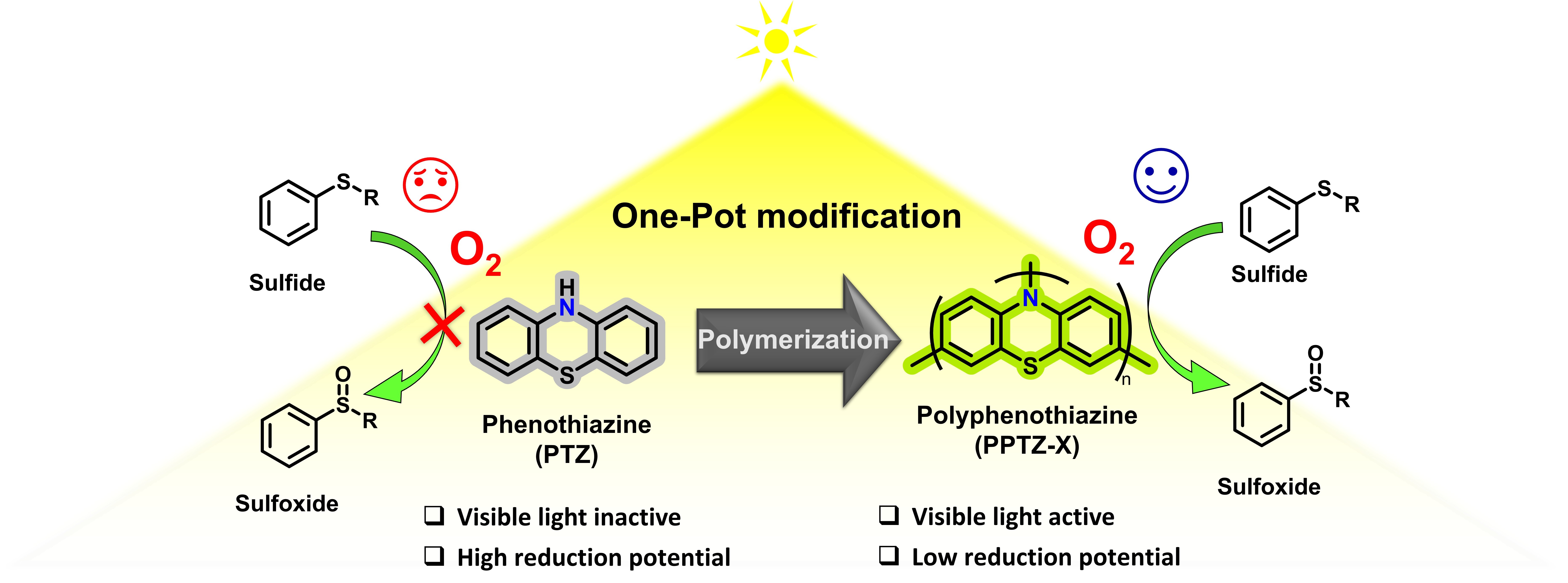
- Open AccessEditorial
Preface
Hermenegildo García
2025, 1(1): 6. doi: 10.53941/photocatalysis.2025.100006
Download PDF72 Downloaded149 Viewed
Call For Papers
MoreCarbon-Based Nanomaterials for a Sustainable Metal-Free Photocatalysis
There is increasing attention on developing sustainable materials with a great variety of applications, including production/conversion and storage of energy, solar fuels, and chemicals. The so-called carbon-based nanomaterials, including graphene, graphene oxide (GO), reduced graphene oxide (r-GO), graphitic carbon nitrides, and amorphous nanoporous carbons, have shown great success in these applications. However, the high cost and low yields of top-down synthesis of graphene-family materials have promoted a search for sustainable and low-cost bottom-up synthesis of graphene-like or graphene-based photoactive materials. Therefore, the development of photoactive carbocatalysts is one of the most promising technologies, mainly because carbon-based materials can be designed and modulated for specific applications. The purpose of the thematic Issue entitled “ Carbon-based nanomaterials for a sustainable metal-free photocatalysis ” is dedicated to research including energy-related production reactions such as H 2 production by water splitting, CO 2 conversion to produce CH 4 and other C-chain growth products, NH 3 production, aromatic organic reactions including reduction, oxidation, and coupling, and environmental applications including polluted air and water. Works related to the synthesis of sustainable graphene-based materials from biomass-derived wastes are welcome to be submitted to this thematic Issue. Academic Editor: Prof. Dr. Juan Matos Grupo de Materiales Sostenibles para la Circularidad (SMAC), Instituto Iberoamericano de Desarrollo Sostenible (IIDS), Facultad de Arquitectura, Construcción y Medio Ambiente. Universidad Autónoma de Chile, Temuco, Chile. Submission Guideline: Author submission guidelines can be found at: https://www.sciltp.com/journals/photocatalysis/instructionForAuthors . When submitting your manuscript via the online submission portal: https://sciflux.org/authors/submissions/add-submissions?journalCode=1909189239670398977 , please select the relevant Thematic Issue title. All manuscripts will undergo peer review in accordance with the journal’s established policies and procedures. Final acceptance will be based on the peer-review reports and the evaluation of the Academic Editor(s) and the Editor-in-Chief. Decisions will be made by the Editor-in-Chief or Academic Editor(s) who have no conflicts of interest with any of the authors.
Photocatalysis
Deadline: 30 Apr 2027Materials, Mechanisms and Applications in Photothermal Catalysis
The conversion of solar energy into chemical energy through light-driven catalytic processes has emerged as an important research direction toward more sustainable chemical production. Within this field, photothermal catalysis has gained increasing attention as it combines light-induced electronic excitation with localized heating, offering opportunities to enhance reaction rates, improve catalytic performance and enable transformations that are difficult to achieve through conventional photocatalysis or thermal catalysis alone. The integration of photonic and thermal effects also opens new possibilities for designing catalytic systems in which the light source can be used not only as an excitation source but also as a means of controlling the reaction environment at the catalyst surface. The purpose of the thematic issue entitled “ Materials, Mechanisms and Applications in Photothermal Catalysis ” is to highlight the latest advances in photothermal catalysis, with particular emphasis on the development of innovative catalytic materials, the elucidation of reaction mechanisms by means of advanced characterization or/and theoretical calculations, and the design of efficient strategies for light-driven chemical transformations. These include, but are not limited to, CO 2 conversion, hydrogen production, CH 4 activation, nitrogen activation, biomass/waste valorization, organic transformations and pollutant degradation. Academic Editors: Dr. Josep Albero Instituto de Tecnología Química (ITQ CSIC-UPV), Valencia, Spain. Dr. Diego Mateo Instituto de Tecnología Química (ITQ CSIC-UPV), Valencia, Spain. Submission Guideline: Author submission guidelines can be found at: https://www.sciltp.com/journals/photocatalysis/instructionForAuthors . When submitting your manuscript via the online submission portal: https://sciflux.org/authors/submissions/add-submissions?journalCode=1909189239670398977 , please select the relevant Thematic Issue title. All manuscripts will undergo peer review in accordance with the journal’s established policies and procedures. Final acceptance will be based on the peer-review reports and the evaluation of the Academic Editor(s) and the Editor-in-Chief. Decisions will be made by the Editor-in-Chief or Academic Editor(s) who have no conflicts of interest with any of the authors.
Photocatalysis
Deadline: 30 Apr 2027

 Suite 4002 Level 4, 447 Collins Street, Melbourne, Victoria 3000, Australia
 General Inquiries: info@sciltp.com